Berlinale 2026: Six Cinematographers Share Shooting Strategies
The filmmakers behind six features from the festival's 76th edition reveal their visual approaches, toughest challenges, favorite scenes, and gear of choice.
Before the 76th Berlin International Film Festival wrapped last weekend, American Cinematographer caught up with some of the cinematographers behind several of the featured films.
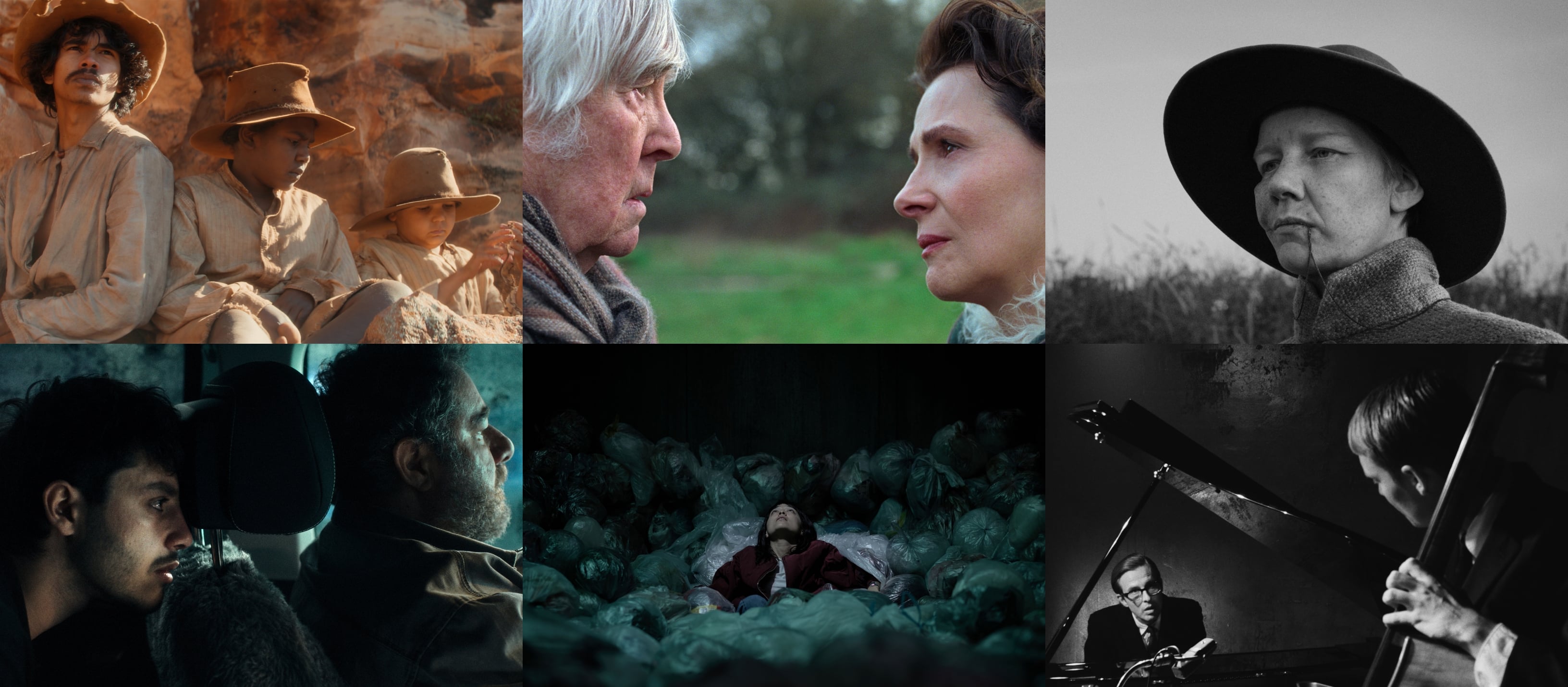
From the international (main) competition, that included director and cinematographer Warwick Thornton, ACS, on his Australian drama Wolfram, a sequel to his 2017 film Sweet Country; Piers McGrail, ISC, on shooting Grant Gee’s Everybody Digs Bill Evans, which follows a difficult period in the life of jazz great Bill Evans, based on the book Intermission by Owen Martell; Austrian cinematographer Gerald Kerkletz’s work on Markus Schleinzer’s period drama Rose, starring Sandra Hüller, who won the Berlinale’s Silver Bear for Best Leading Performance; and Adolpho Veloso, ABC, AIP, who shot Lance Hammer’s dementia-themed drama Queen at Sea, which won the Silver Bear Jury Prize and Silver Bear for Best Supporting Performance (Anna Calder-Marshall and Tom Courtenay).
The Perspectives competition was extra special to Berlin-based cinematographer Maayane Bouhnik, for whom Where To? was also her feature debut; and Los Angeles-based Australian cinematographer Charlie Sarroff was a Berlin first-timer, for Natalie Erika James’ body-horror film Saccharine, featured in the Berlinale Special section.
These films ranged from use of black-and-white (Everyone Digs Bill Evans, Rose), to location shooting in Australia with natural light (Wolfram), to filming in Ireland for New York and Florida (Bill Evans). Where To? involved filming in a car on an LED stage, while Rose, set in the early 17th century, involved use of cleverly-made prototype LED candles for lighting. Saccharine’s Sarroff described creating a look he referred to as “candy and grime.” And Veloso, currently ASC- and Oscar-nominated for Train Dreams, used the cinematography to depict three distinct generations.
Some of these cinematographers caught up with AC around the festival venues, while others shared their work during an annual brunch hosted by Arri and Berlin-based postproduction facility Basis Berlin.
Here’s a look at the work.
Maayane Bouhnik — Where To?
The Approach
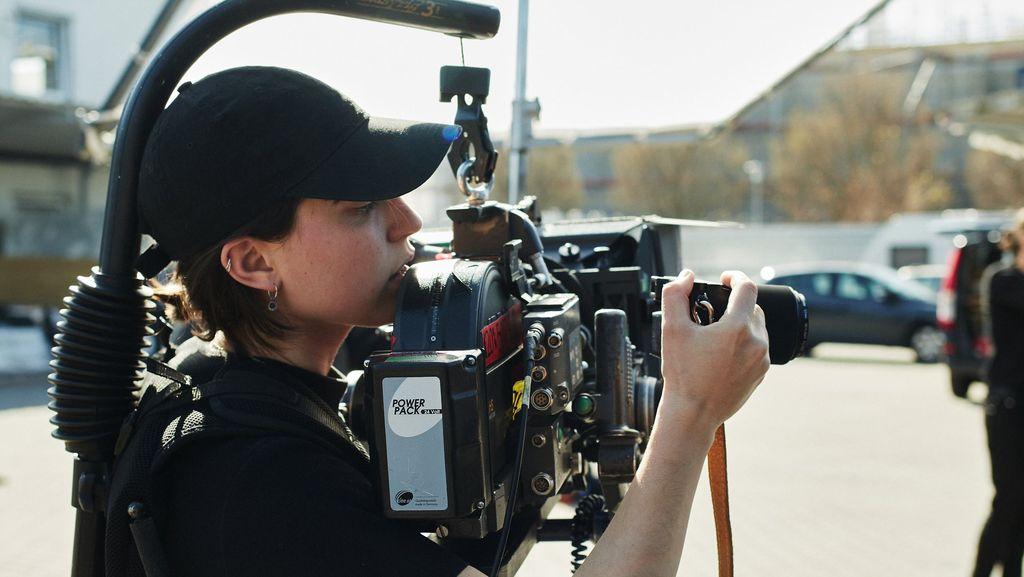
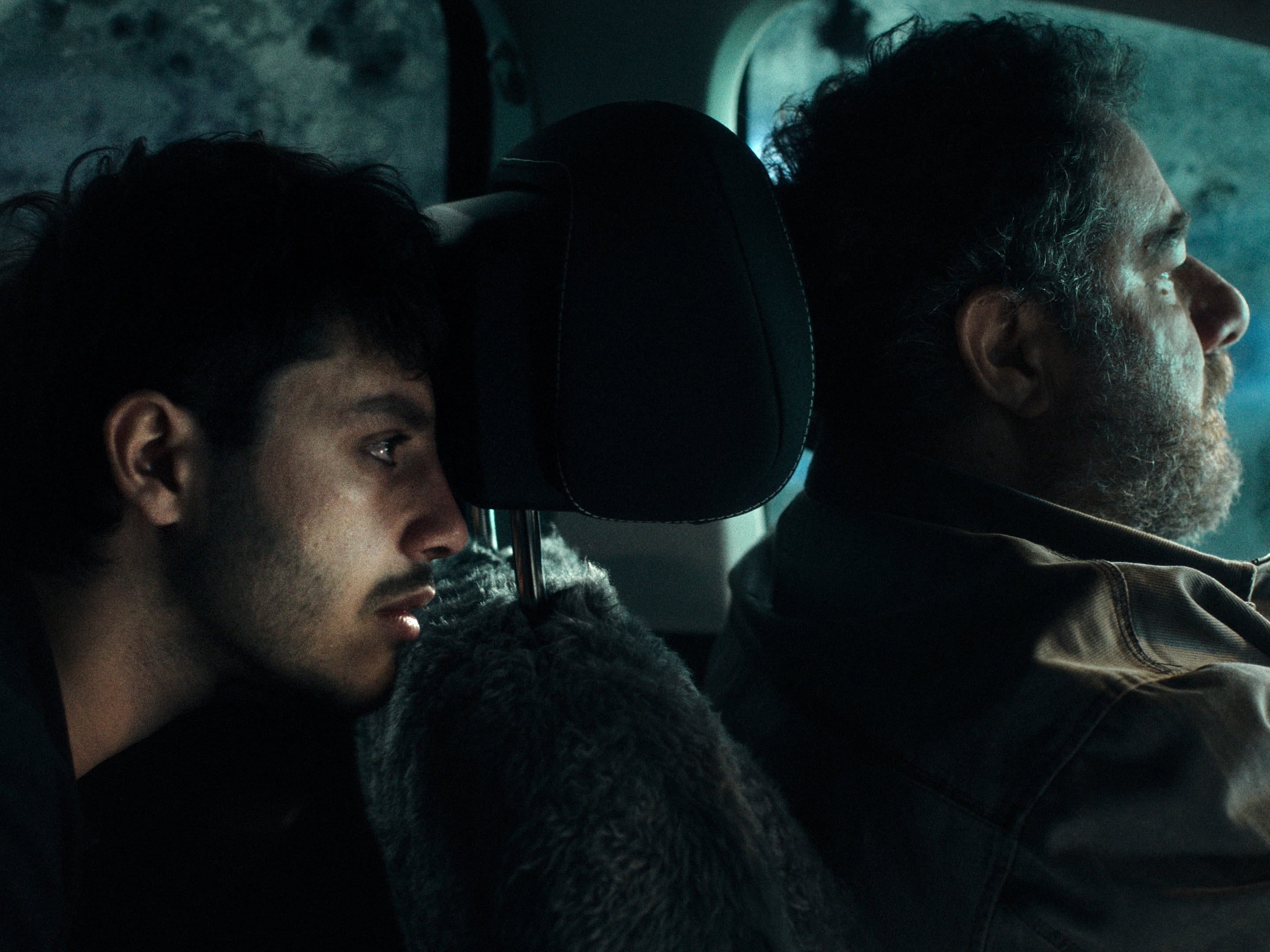
"Where To? is a film about Hassan, a Berlin taxi driver. Over a few nights, he keeps on picking up the same person, and they slowly form a connection. Ninety percent of the film happens inside of a car, at night. We had to find a way to tell the story of Hassan in a very, very sensitive and subtle way, and also to feel that we are boxed in with him.
We shot with the Arri Alexa 35, which was provided by Arri Rental Berlin. We needed a sensitive sensor that can manage colors, and because we had a lot of moving lights and varying degrees of brightness, we needed something that we could trust in all conditions, especially in rendering skin tones. This film is very much a film about faces. It was also the reason why we shot at 4:3. We shot with Arri DNA lenses; I feel that they are very accurate, but at the same time, they have a little bit of a softness.”
My Biggest Challenges
“One of the biggest challenges is that we were shooting in a car the whole time. So, part of the shoot was happening in an LED studio. In general, it was really hard to not get carried away by the technicality of that process. In the end, this is a film about people, so the viewer needs to feel connected to our characters and not become distracted. So, I think the biggest challenge was to find a language that felt real. The second challenge was that we didn't have that many shooting days — 19 days, plus one to shoot plates — and sometimes we had just 11 minutes in a day to shoot dialogue. As a camera person, you need to be quick, and we didn't want to compromise on anything.”
My Favorite Scene
“The first scene, in which Hassan interacts with his daughter. I remember, while being in the car shooting this scene, that something about this father-daughter relationship really touched me. Thanks to that scene, I saw how the movie was moving forward.”
On the Berlinale
“Where To? is my debut feature film as a cinematographer. To have it in a big festival and in Berlin — my hometown — I couldn't ask for more. It’s a relevant film that I'm very happy people at the festival were able to see.”
Tech Specs
Camera: Arri Alexa 35
Lenses: Arri DNA
Charlie Sarroff — Saccharine
The Approach
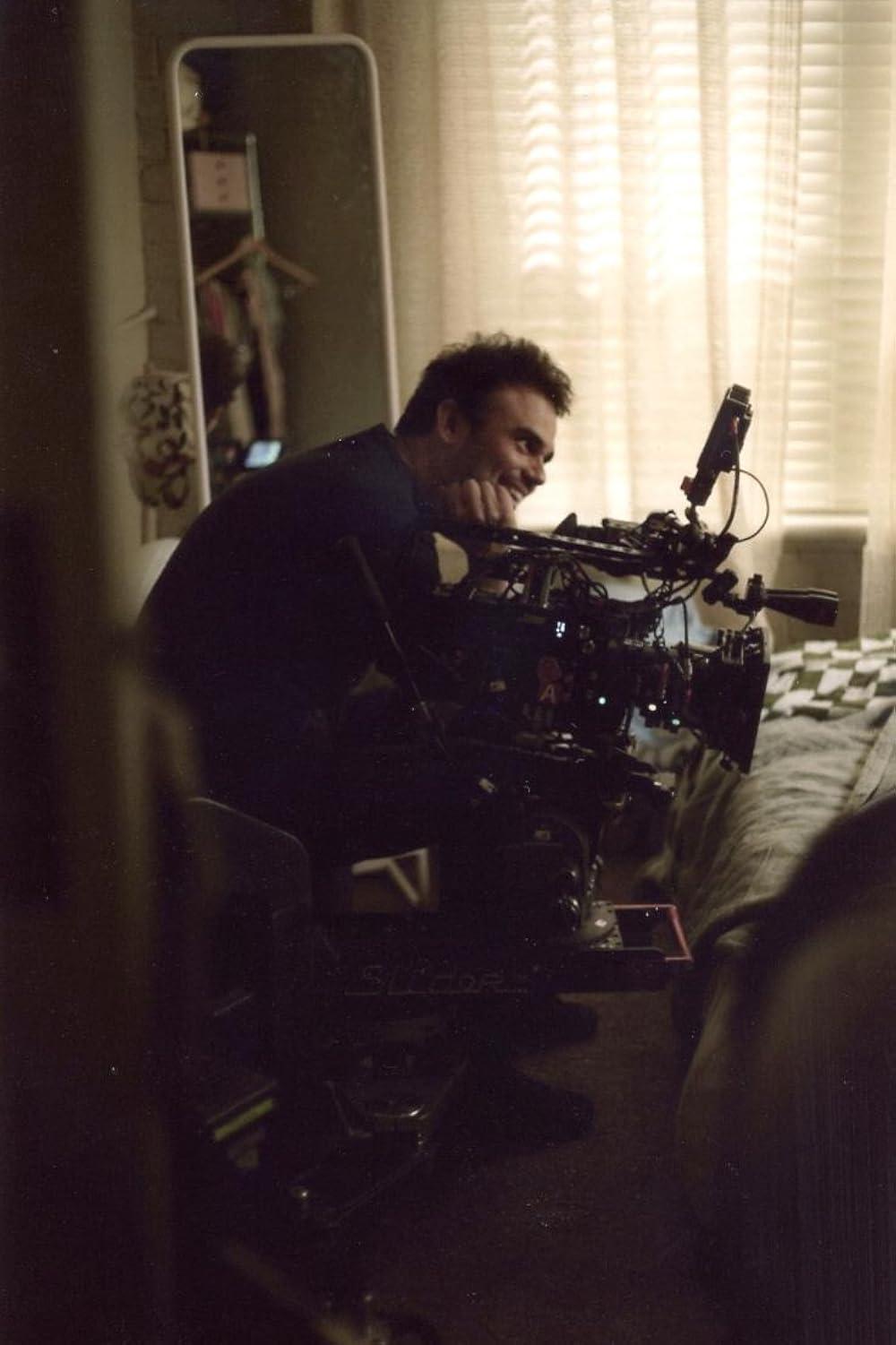
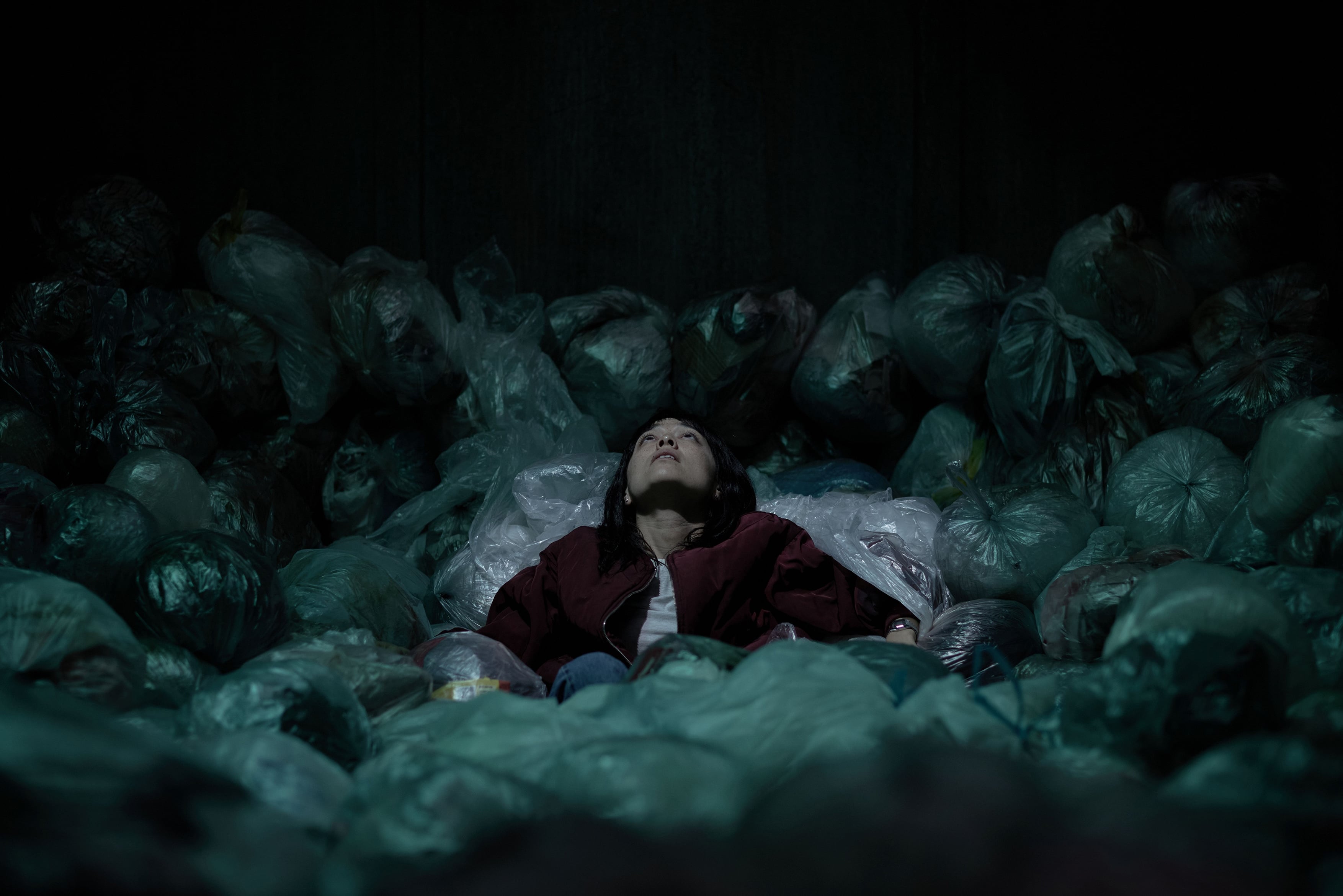
"As far as my goal and visual approach, it was really just to help support [director] Natalie Erika James. We wanted to convey the horrors that people suffer from eating disorders and body-image issues. So, it was a lot of visual metaphors for the way we [follow] our lead protagonist, Hannah, played by Midori Francis, and her transition into unhealthy weight loss. We ended up shooting slightly longer lenses on her close-ups at the beginning to flatten the image, and then wider lenses as the film progresses, to round the image a little bit more and help push the themes of unhealthy weight loss.
Saccharine is a kind of body-horror film that is quite eccentric and out there at times. But we did want to keep it very human and humane, and grounded as well. Cinematography is a great tool to be able to sort of evoke those feelings that we wanted to portray.
“There was also a theme that we came up with: candy and grime. We wanted to have lots of pops of color against a really drab background. That's where it leans into the name, Saccharine — it's sweet and seductive.”
My Biggest Challenge (And Favorite Scenes To Film)
“Probably working with the cadavers. We had a lot of body prosthetics and some really gory stuff. For a lot of the time we were working with real humans that were in prosthetics, it was about trying to make it all look as realistic as possible, but also to work very quickly, because they're very uncomfortable for people. And then it was about knowing when to swap out for prosthetic dummies.”
On the Berlinale
“It felt amazing to have a film in Berlin. It's my first big European festival. [Separately] my next film is actually a remake of Possession with Parker Finn, with whom I've done the Smile films. [The original] was shot in Berlin, so I visited some of those locations as a little bit of a spiritual journey.”
Tech Specs
Camera: Arri Alexa 35
Lenses: Canon FDX primes; portrait lenses.
Gerald Kerkletz — Rose
The Approach
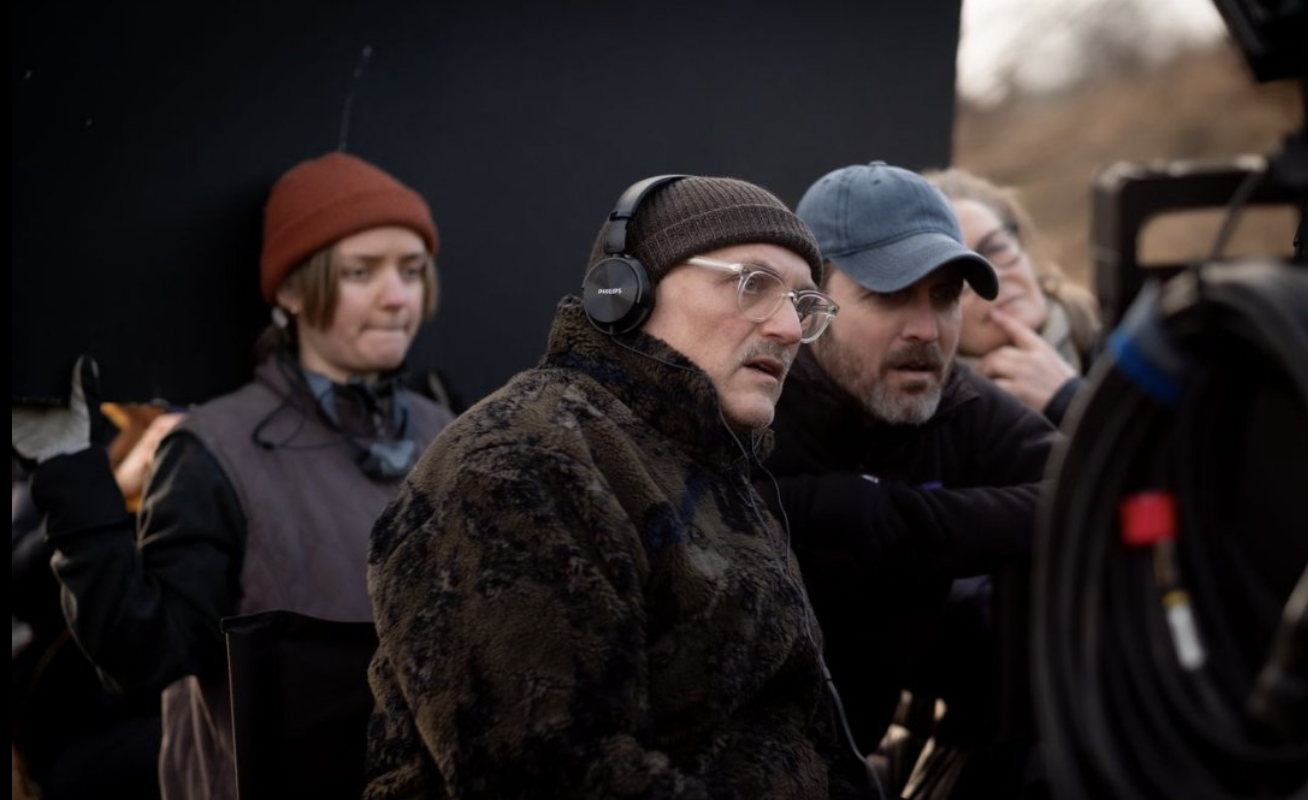
“It's a story about a woman (Sandra Hüller) who fought in the Thirty Years’ War as a man, and she keeps this role because with pretending to be a man, there is a future after the war for her — a better life.
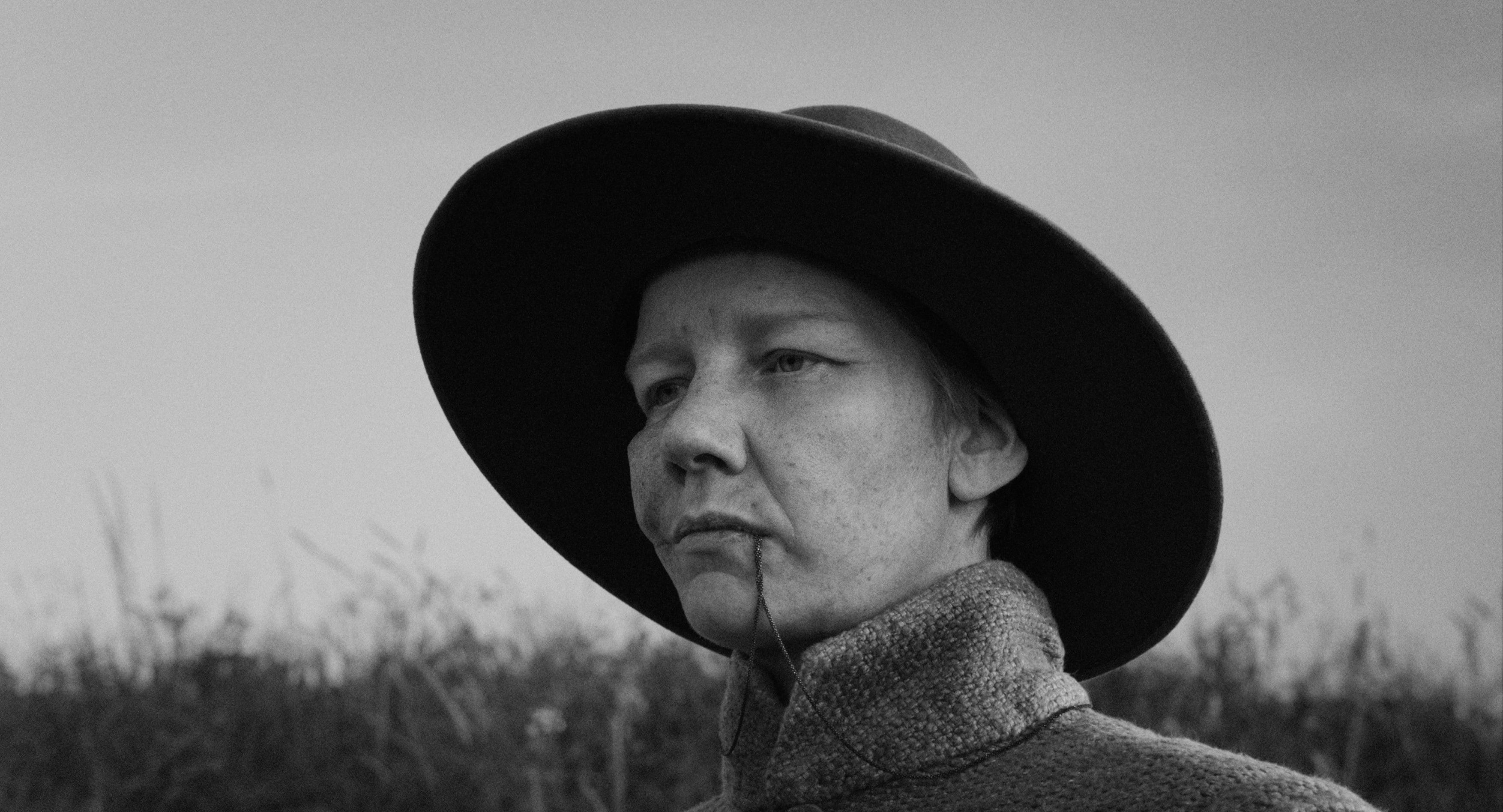
Black-and-white almost automatically carries historical associations, especially in a period piece like Rose. However, for [director] Markus Schleinzer and me, choosing black-and-white was never about nostalgia. For me, monochrome works more as an ordering principle: It reduces information, sharpens rhythm, and makes what remains more present. As tempting as it would have been to shoot with the monochrome version of the Alexa 35, we consciously decided against it. We tested extensively, and over time it became clear to me that capturing color gave us a level of freedom and precision that I did not want to give up. This was key when translating classical black-and-white filter thinking into the grade, and it also helped establish a shared language with my colorist, Andi Winter. On set, we watched exclusively in black-and-white, and we forced ourself to think in black-and-white throughout the entire shoot. All creative decisions were made in monochrome together with production design and costume.”
My Biggest Challenge
“There were a lot of interior scenes, and we decided to go 100 percent in lighting with candles. Gaffer Markus Harthum developed little LED prototype candles, but on a quite impressive high level, because it was really about giving the feeling of candlelight. The LEDs were really mimicking the natural flickering from candlelight, and also gave me the possibility to work on a quite high aperture, even in those scenes. We also wanted the night scenes to come out of the practical lights, and I would say this wouldn't have been possible with real candles.”
My Favorite Scene
“It's the last scene, which features a simple close-up on Sandra. It’s a monologue; it’s not clear if she's talking to herself, or to us, or to an audience in the film. It's a very intimate moment in which the fourth wall breaks between us. There is a blurriness between the actor, her role and the camera. At the moment of shooting, I had the feeling, ‘Oh wow, there is something magical happening which you cannot force.’”
On the Berlinale
"It means a lot. It’s the first time that I had a movie there in competition."
Tech Specs
Camera: Arri 35
Warwick Thornton, ACS — Wolfram
The Approach
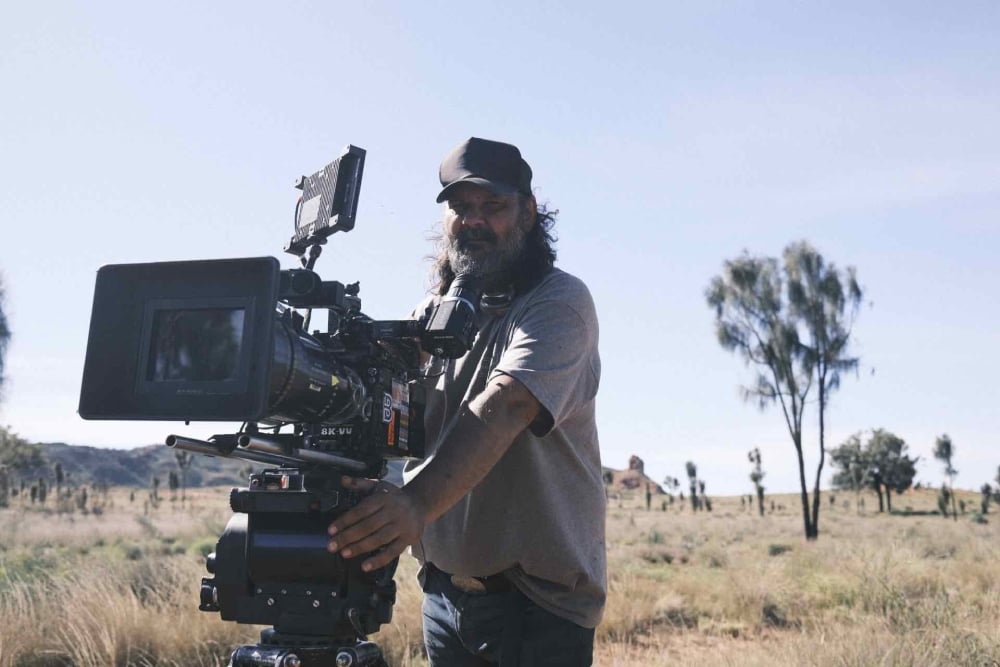
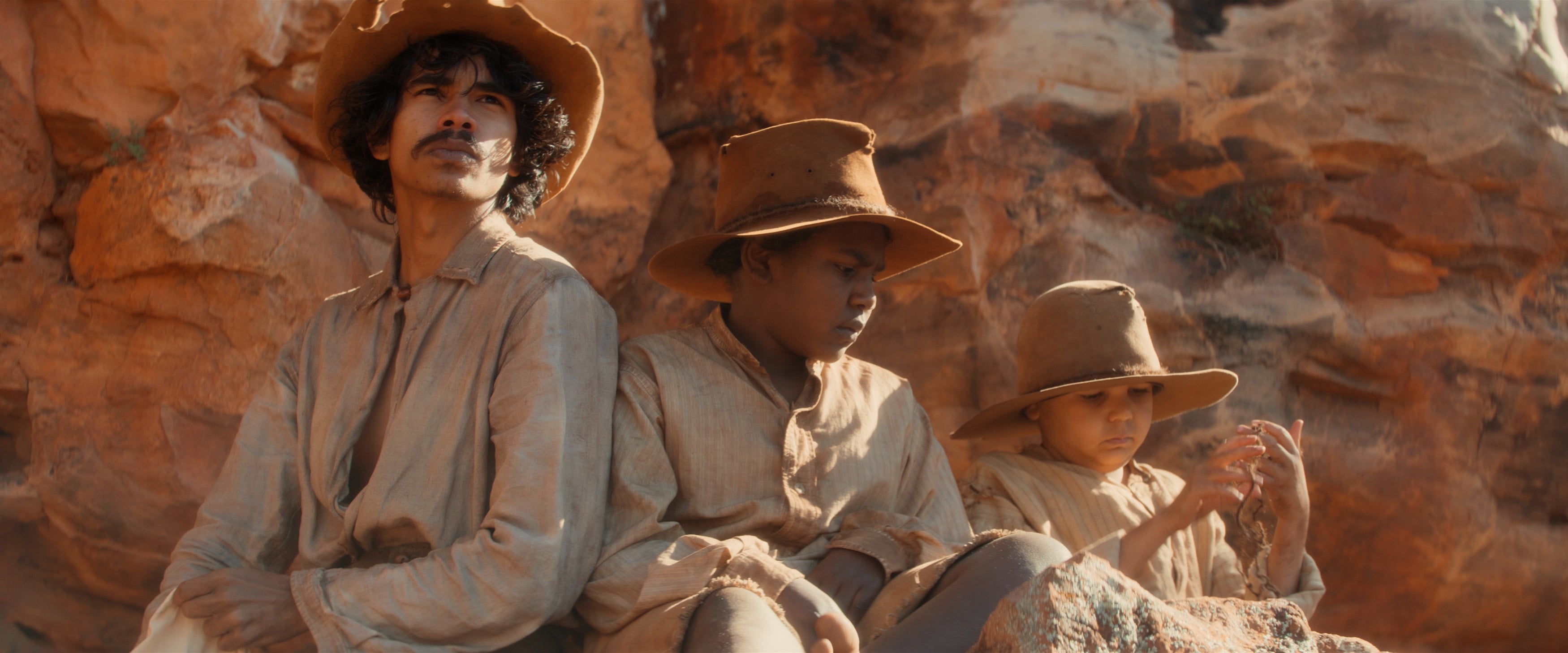
“It's a brutalist script, so I sort of walked into it with a sort of a vision of brutalist. It is a color palette and it is a concept in cinematography. it's hard. Where I come from, the light is incredibly hard. It's nasty shadows, massive contrast. I grew up there, so I knew and I could just wallow in it.
We didn't want perfection in the operating. We wanted the energy you actually get when you're filming something for the first time, when you haven't rehearsed it and you don't know what the character's doing. We wanted that kind of energy that's 'there' and doesn't feel like it was overthought or over-rehearsed. It was all tripods and dollies, with the occasional Ronin with two grips either side, running around, and an operator on some wheels.
We don't do much lighting — artificial lighting, that is. We just timed it to the right time of day.
We shot the film during a fly plague, which was very interesting. We were actually using the flies in the film; there's a billion flies in every shot.
It was okay if the actors were in front of the lens and were slightly blurry out of focus, as long as they were all moving. If they didn't move, it would look like we had a grubby lens, and I didn't want that.”
My Biggest Challenge
“Me. The ego of the cinematographer as a director, trying to find important, magical moments and trying to force magical moments on the scenes that don't need them. I was taught that the best cinematography is the cinematography you don't see, because you're just so wrapped up in the film and the characters and the story.
The DP in me calls the director a wanker, and the director in me calls the DP a wanker.
We also ate too many flies... it was 42 degrees celsius... we had children and animals... there were those struggles. But then there was bigger-picture stuff about story. That's the real struggle within me at the moment: finding that balance between the director and the DP, and what's important for the story.”
On the Berlinale
"My first short films, when I started directing, got into this festival. It was incredibly empowering, because you don't know [what to expect]. You're so freaked out about this whole journey of filmmaking. It's empowering that people want to hear your stories, that people like the way you make movies.”
Tech Specs
Cameras: Red V-Raptor XL, X (Panavised)
Lenses: Panavision C, B, E Series, anamorphic zoom; Arriflex/Zeiss Super Speed
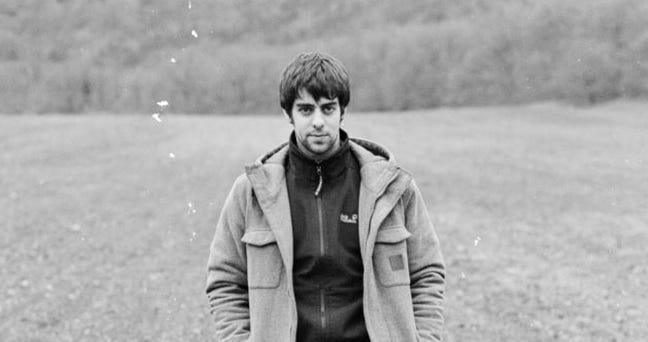
Piers McGrail, ISC — Everybody Digs Bill Evans
The Approach
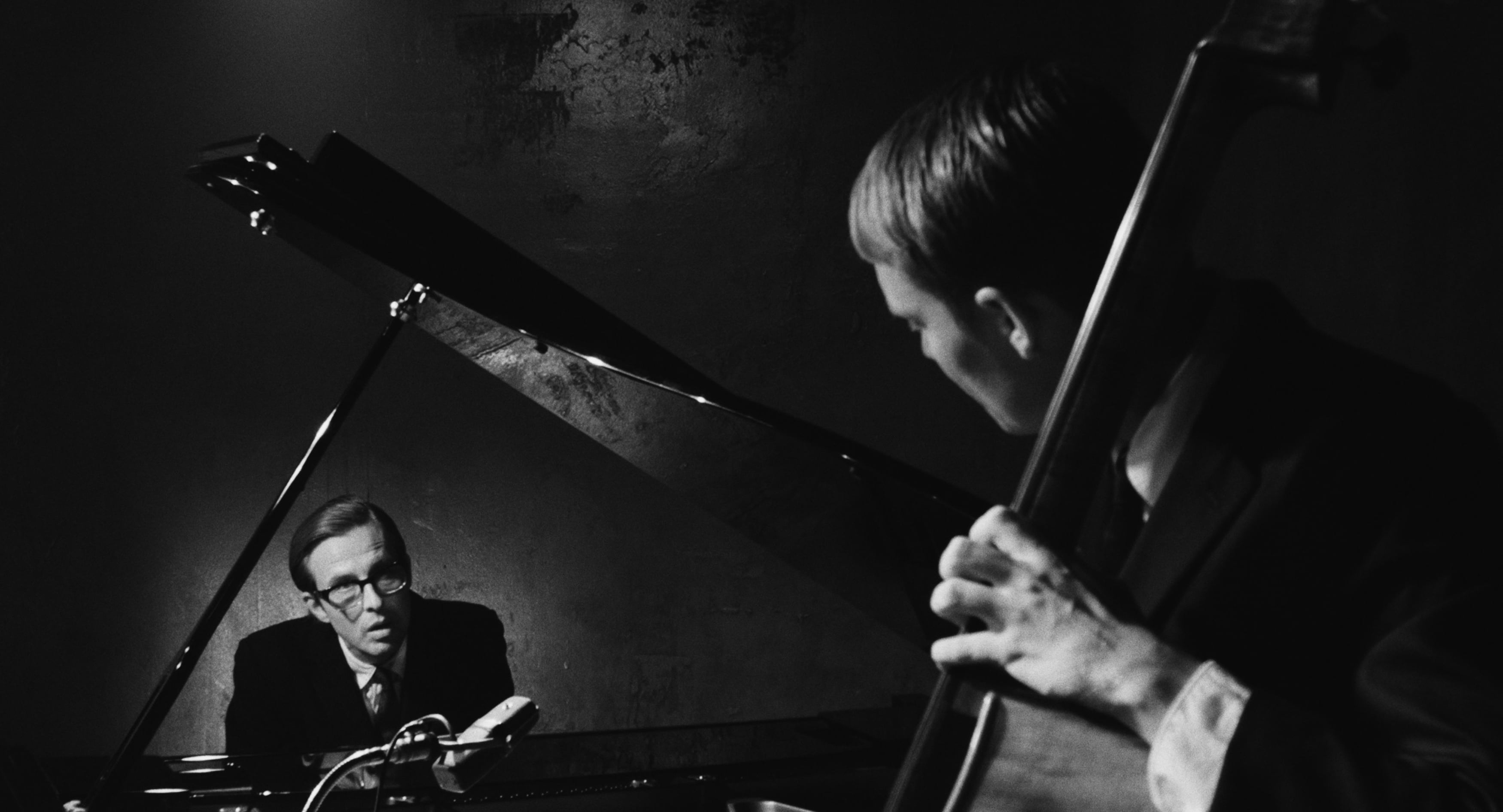
“The script specifically noted that everything would be in black-and-white, apart from the flash-forwards, which were shot in color.
It's quite a dark story, about somebody who experiences loss and then falls into this circle of misery and addiction, and we wanted to reflect that in the cinematography. We also wanted to be able to open that up when Bill (played by Anders Danielsen Lie) has these brief moments of recovery and clarity. So, when he does go [from New York] to Florida and he does recover a little bit with the help of his parents, we really wanted those scenes to feel lifted and bright. Being able to come from a darker place and into a brighter place was important to the story.
When [director] Grant [Gee] wanted it dark, he wanted it really dark. He wanted the mystery of Bill Evans, and he wanted us to be a little bit unsure of how to read the character. As a cinematographer, it's quite a nice position to be in when you feel like you can go that dark, and to not be afraid to keep things in the shadows. I think it gives you slightly bolder images when you're not trying to preserve everything.
For our flash forwards, we decided to really push the color look. It’s a big, almost shocking jump forward to a vibrant feel, so in the grade, we really made that quite pushed and saturated.
We mostly looked at 1970s street photography [for inspiration]. I have a book of photographs by Tom Arndt, because the film is mostly set in New York in the ‘60s and ‘70s. Saul Leiter was also a big reference, and we were looking for people who shot the city in ways that were a little bit more obscured and not too specific, because we knew we were shooting on a very low budget in Ireland and trying to re-create New York. So, we were looking for ways to hide reflections and obscure things a little more."
My Biggest Challenge
"There was the challenge of making it feel not like Ireland. The original plan was to shoot everything in a studio, and the director, Grant, comes from a theater background, so he's used to working with minimal sets. What happened was, they realized that it was actually going to be more expensive to do that than to shoot on location. So, at some point during prep, a lot of it moved out of the studio and into our location — which was tricky, because we were in West Cork, which is quite a rural part of Ireland, and we were looking for New York and Florida."
On the Berlinale
“I hadn't been to the Berlinale before, and it was very exciting. This felt pretty special. I think it's nice to celebrate our [community’s] work, and this was a good place to do it.”
Tech Specs
Camera: Arri Alexa 35 (in 2K mode)
Lenses: 16mm Super Speeds, 35mm Super Speeds
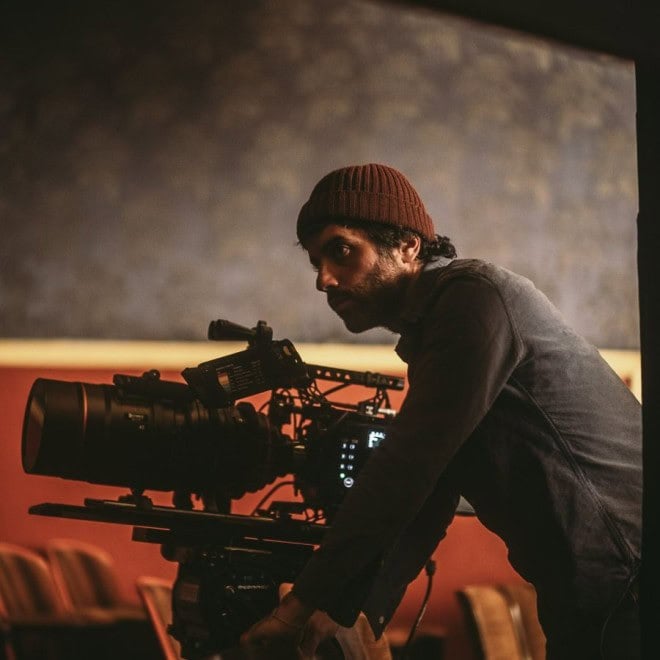
Adolpho Veloso, ABC, AIP — Queen at Sea
The Approach
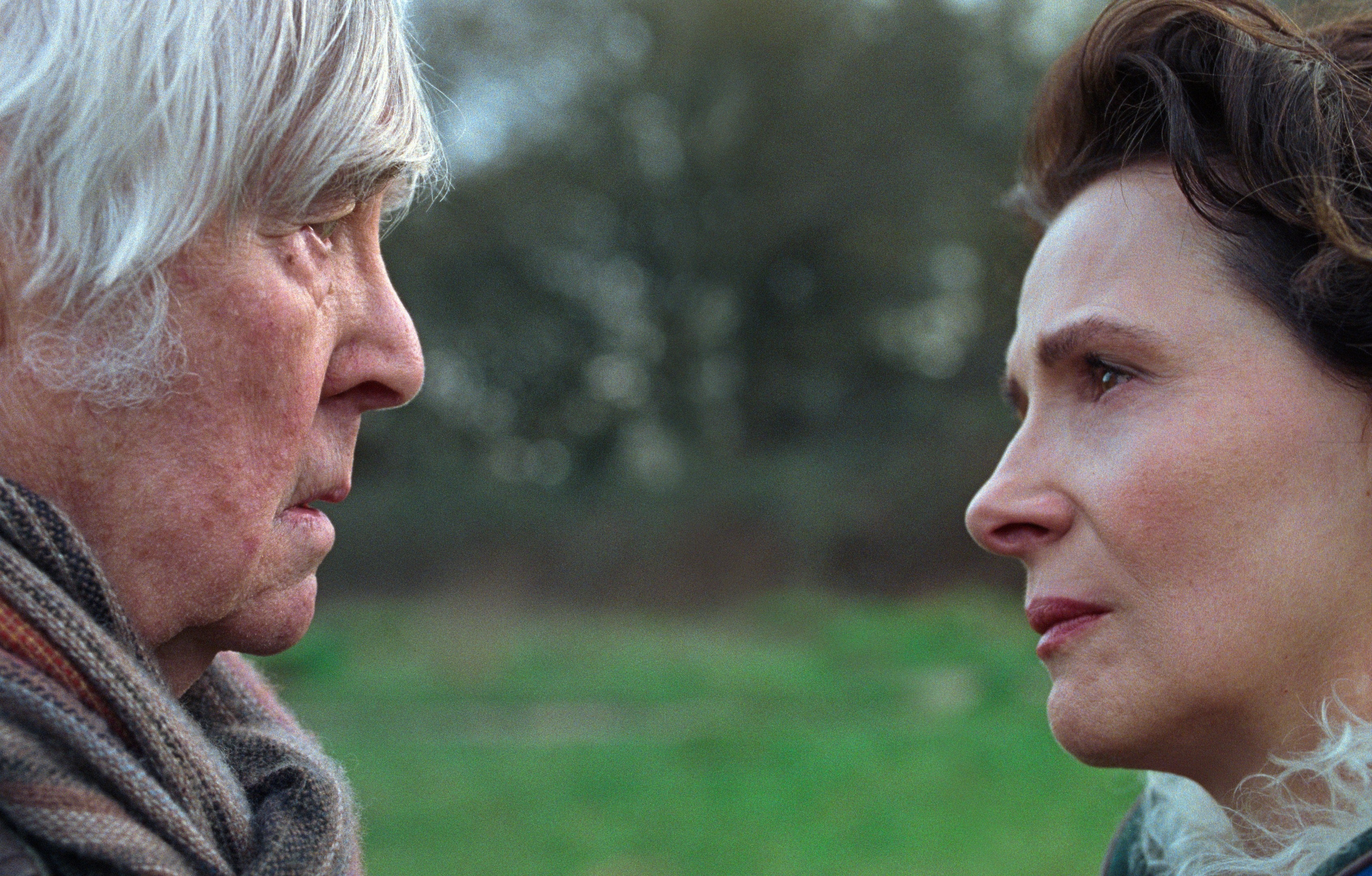
"Our visual approach was rooted in the idea that the camera should embody what each generation is experiencing internally. We designed three distinct camera behaviors to reflect the emotional and psychological differences between them. For the oldest generation, the camera is predominantly static. It behaves almost like a piece of furniture within the house — something that has been there forever, quietly witnessing routine, repetition and the subtle emotional shifts of a life shaped by time. The compositions often leave the character at the margins of the frame, reinforcing a sense of distance, resignation, and a world that feels bigger than them.
For the youngest generation, the camera becomes vivid and handheld. It stays close, reactive and centered on the characters, uninterested in anything beyond their immediate desires and impulses. The framing is more subjective, more urgent — reflecting their emotional intensity and self focus.
The middle generation floats between these two visual languages. The camera holds a certain stability, but allows for movement, as if negotiating between inherited structure and contemporary restlessness.
Importantly, we allowed ourselves to break these rules whenever the characters themselves broke from their established emotional worlds. When their internal order collapsed, so did our formal one."
My Biggest Challenge
"The biggest challenge was definitely shooting in the house we chose as our main location. It was a very tricky space, with almost no room to work, extremely tight areas, and steep, narrow stairs that made moving equipment a constant challenge. Every setup required real choreography just to physically make it happen. But at the same time, that house was essential to the story. The physical constraints of the space mirrored the emotional constraints that the characters were living with, as well as their practical and physical difficulties. The struggle of moving through that house was part of how the film needed to feel.
Another big challenge for me personally was embracing something I’ve always been slightly afraid of: white walls. Normally, I would instinctively want more texture, more layers to shape with light. Instead of fighting it, we leaned into it. We allowed the walls to be simple and clean, and focused on how light and performance could transform that emptiness."
My Favorite Scene
"In general, the privilege of shooting Juliette Binoche. She’s one of the best to ever do what she does, and being able to witness that live through the eyepiece while hearing the sound of film rolling was quite surreal."
On the Berlinale
"This was my first time ever at the Berlin International Film Festival, and I felt really honored to have a film that I was part of screening there. The theater is beautiful and quite big, with amazing projection and sound, which makes such a difference when you’re watching something you worked on for so long. I couldn’t be happier for everyone who made the film to celebrate it there.”
Tech Specs
Camera: Arricam LT
Lenses: Arri Zeiss Master Primes
American Cinematographer's coverage of the 2026 Berlin International Film Festival is presented by Arri and Atlas Lens Co.
More on Berlinale 2026
2026 Berlinale Award Winners Announced
AI at Berlinale: Gore Verbinski and Nicolò Gallio Weigh In On Evolving Landscape
Berlinale 2026: Michelle Yeoh Accepts Honorary Golden Bear at Opening Ceremony