M. David Mullen, ASC: A Refined Eye and Mind
The ASC Career Achievement in Television Award honoree executes exceptional work while leading with compassion.
This article appears in American Cinematographer's March 2026 issue. An expanded version of the story — featuring a look at the lessons M. David Mullen, ASC gleaned from studying the 1935 film A Midsummer Night's Dream — is available to AC's print and digital subscribers, and to readers purchasing copies of the issue on newsstands or at the ASC Store. For full access to our archive, which includes more than 105 years of essential motion-picture production coverage, become a subscriber today.
Nice guys don’t always finish last. Sometimes they win Primetime Emmy and ASC awards.
M. David Mullen, ASC won three Emmys and two ASC Awards for his work on The Marvelous Mrs. Maisel, and this year, he will be honored with the ASC Career Achievement in Television Award.
Not bad for a cinematographer who was once said to be “too nice” to work in TV.
Mullen was born on a U.S. Navy base in Iwakuni, Japan, where his naval-aviator father — an avid photographer who wielded a Nikon SP rangefinder and a Yashica 44-2 Twin Lens Reflux — was stationed. At six months old, Mullen made the first of many moves required by his dad’s deployments, which took the family to Hawaii, Pensacola, San Francisco and Midway Island.
After leaving the service, Mullen’s father earned a master’s degree in engineering at the University of Southern California and was hired by a weapons-development center in China Lake, California. It was there, in the high desert, that Mullen’s passion for filmmaking bloomed.
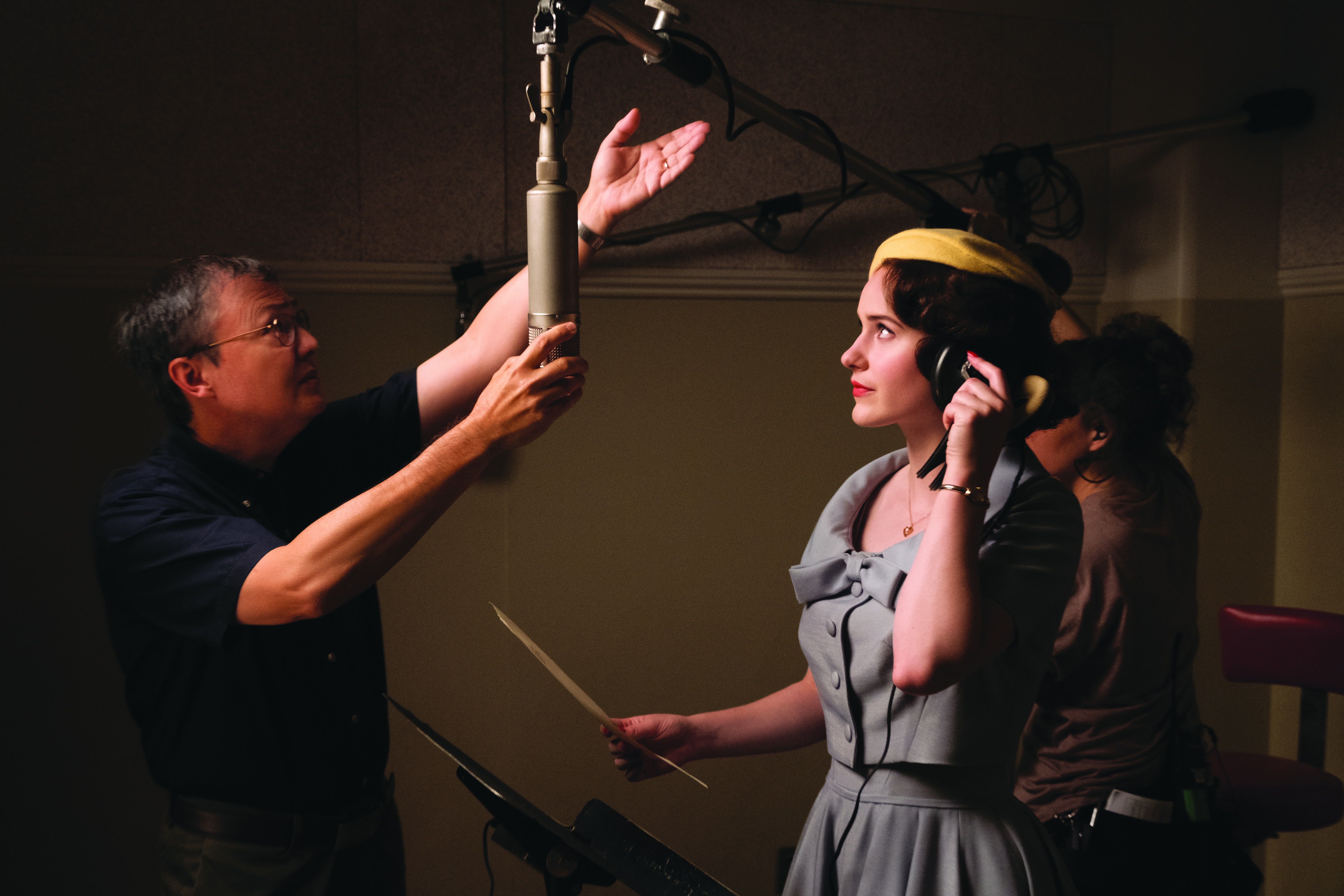
A Pivotal Year
He shot his first short film in 1977 at the age of 15, an 8mm effort for a talent contest at a Latin convention, Latin being his choice to study as a second language. Because his class had been translating the Aeneid by Virgil, he made a Trojan War epic, with a borrowed camera, in the style of Monty Python and the Holy Grail. For the first scene, a banquet of the gods played by teenagers in togas, he began grabbing wide establishing shots and long-lens pieces of the deities passing food, eating and laughing.
“Someone stopped me and said, ‘Isn’t this going to be very jumpy? You’re just rolling the camera for a few seconds, and then you move it and roll for another few seconds,’” Mullen recalls. “I’m like, ‘Well, isn’t that how a movie goes?’ That instinct was from simply being a kid who watched too much television and movies. The language of filmmaking was just ingrained in me from being a viewer.”
1977 was a pivotal year for Mullen as a filmgoer as well. In February, he watched the network-TV premiere of 2001: A Space Odyssey. The following summer brought Star Wars, and the next winter Close Encounters of the Third Kind. “We were on a school field trip in Bakersfield, and we all went out to the theater to see Close Encounters,” he says. “I was just so blown away by it. That’s when I started really wanting to get into filmmaking.”
From Pre-Med to Film School
He enrolled at the University of Virginia as a pre-med student, thinking he would become a doctor who pursued film as a “serious hobby.” But after two years at UVA, making Super 8 movies all the while, he changed his mind. Seeking admission to the film program at the University of California-Los Angeles, he found his GPA was just short of the 3.0 required, so he declared a major in English literature and transferred anyway. “My parents weren’t happy, but they went out and bought me my own Super 8 camera — I’d just been borrowing them from families that had one in their closet. Some friends of mine got into USC film school, and I would go shoot their films with my Super 8 camera. I eventually built my own dolly, basically a piece of plywood with library-cart wheels on the bottom and a push bar. I kept shooting short films after I graduated, and they kept getting more and more elaborate.”
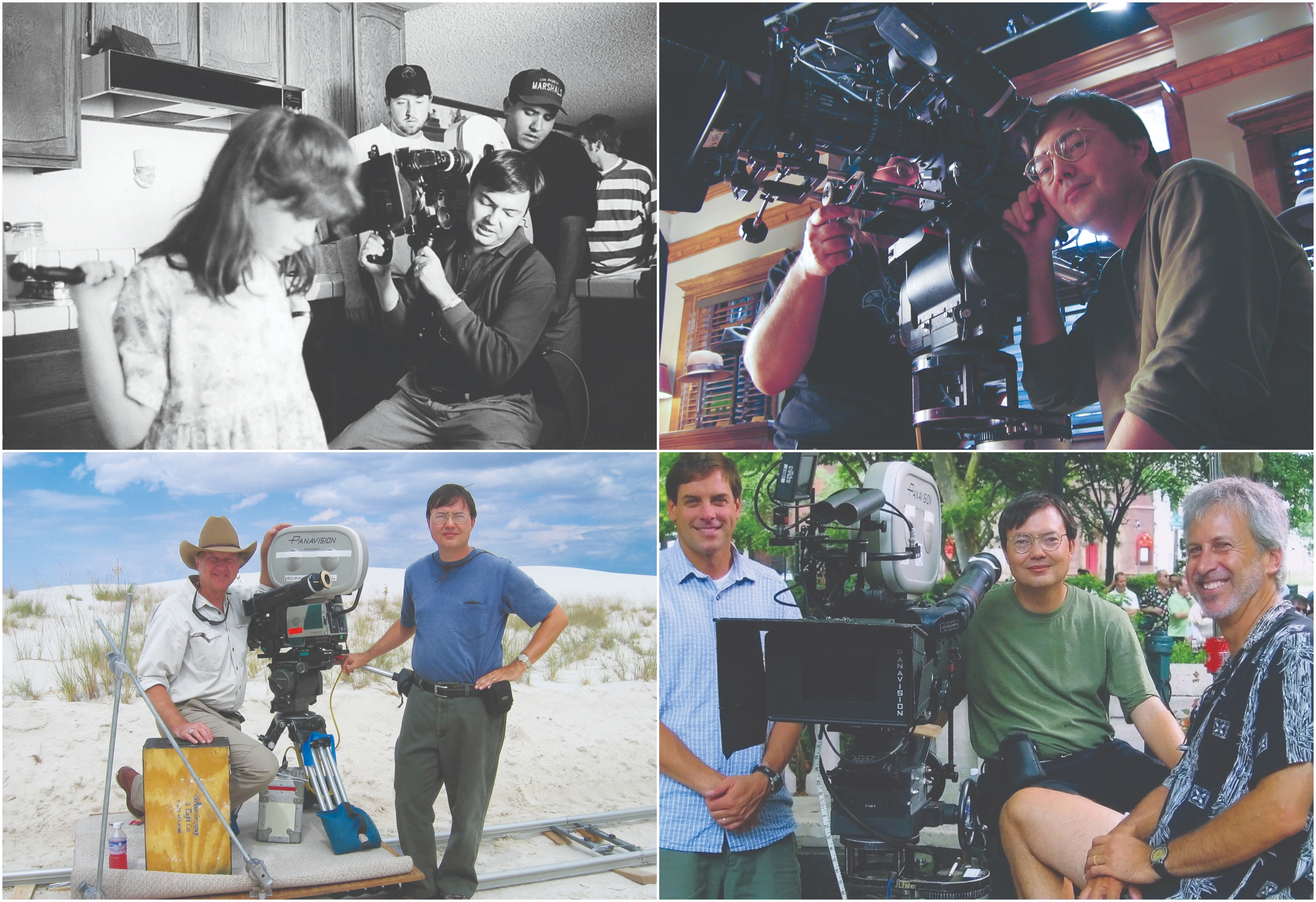
At the age of 26, Mullen applied to the California Institute of the Arts. His first class was an introduction to Super 8. Half the students had never shot on film before, but Mullen delivered a first assignment that contained dolly moves, noir lighting effects, Dutch angles, deep-focus compositions, montage editing and time-lapse macro photography.
“After that, I got asked to shoot everyone else’s projects at CalArts,” he says. “My plan wasn’t to become a cinematographer. We all go in wanting to be avant-garde directors, and we all come out doing a specific craft. So, I sort of fell into cinematography, but it was by far what I spent the most time reading about and practicing. I just loved images.”
A Range of Indies
By the time Mullen graduated from CalArts, he’d shot almost 20 graduate thesis films. He began working in features right out of school, starting with a series of low-budget, non-union thrillers produced by Pierre David (executive producer of Scanners and Videodrome) that were intended for the direct-to-video market. These included the 1997 titles Man of Her Dreams and The Night Caller.
“In the course of their career, I think everyone finds themselves tied to trends that are happening within the industry that help or hurt you,” he observes. “I got out of film school in 1991, when the euphoria of the home-video market of the 1980s was collapsing. Suddenly, the budgets for straight-to-video features went from $2 million or so to half a million. That allowed someone like me to get hired, because now, they needed people willing to do them [for that price].”
After shooting a half-dozen, Mullen began worrying that his entire career was going to comprise non-union, straight-to-video thrillers. That’s when funding came through for Mark and Michael Polish’s first feature, Twin Falls Idaho. Michael had been one of Mullen’s CalArts classmates.
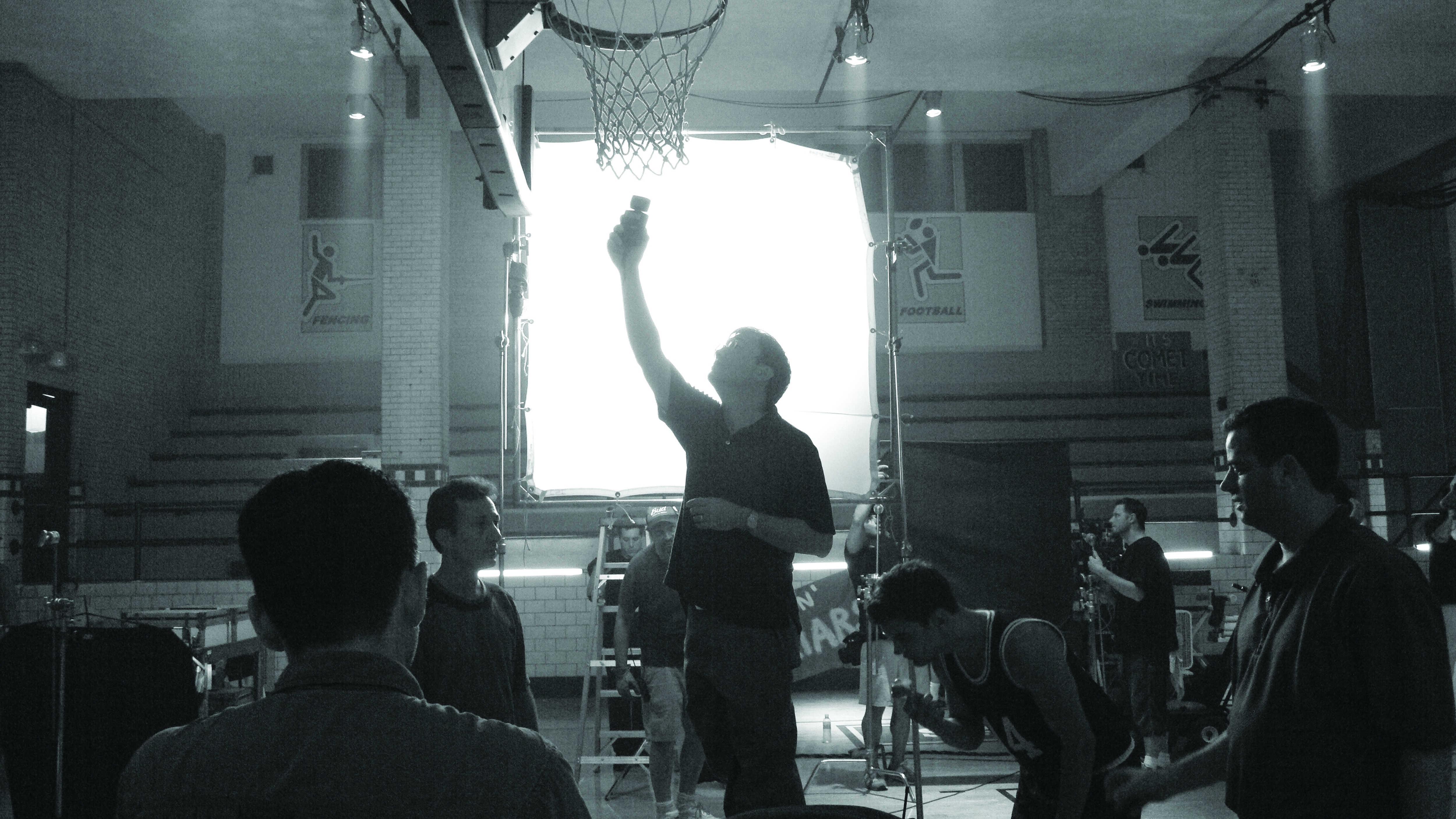
The feature’s 16-day schedule and $500,000 budget weren’t much different than the movies he’d been toiling on, but the level of artistic ambition was. Twin Falls Idaho premiered at the 1999 Sundance Film Festival, found theatrical distribution through Sony Pictures Classics, and brought Mullen an Independent Spirit Award nomination. It also landed him an agent.
“On Twin Falls I was sort of copying something Emmanuel Lubezki [ASC, AMC] was doing on A Little Princess and A Walk in the Clouds, where he was flashing the negative 5 or 10 percent to soften it a little bit, and then doing a mild ENR process to the print to add some contrast back in,” Mullen explains. “It gave a more painterly patina, like Vittorio Storaro [ASC, AIC] had in his films.”
Mullen pushed that experimentation further on the Polish brothers’ Northfork (see AC May ’03), which was shot in anamorphic 35mm on location in Montana. Seeking a desaturated look, Mullen went with a 20-percent flash via a Panaflasher and a full skip-bleach process. The art department contributed with their own tricks, such as putting gray paint inside ketchup bottles.
“On Northfork I was able to do everything I’d ever wanted to do photographically despite the tiny budget,” says Mullen. “Michael Polish was very encouraging. He said, ‘We’ll never have complete freedom like this ever again. We don’t have to answer to anyone. We can do whatever we want.’”
Mullen received another Independent Spirit Award nomination and also caught the attention of Robert Primes, ASC. “Bob saw it at a film festival and wanted to meet me,” recalls Mullen. “He wrote my letter of recommendation to join the ASC, along with Denis Lenoir and Roy Wagner. I interviewed for the ASC in late 2003. I also joined the union that same year — after my 23rd feature. After the ASC Awards show in 2004, the ASC offered me membership.”
Among the other films Mullen shot for the Polish brothers is Jackpot (2001), the very first 24p HD-originated feature released theatrically on film. “It was the height of Dogme 95, and everyone wanted to do their own DV feature for very little money,” he says. “I felt the Polish brothers weren’t going to be happy with the picture quality because visuals are so important to them. So, I was looking into the best standard-def camera I could find to shoot on.”
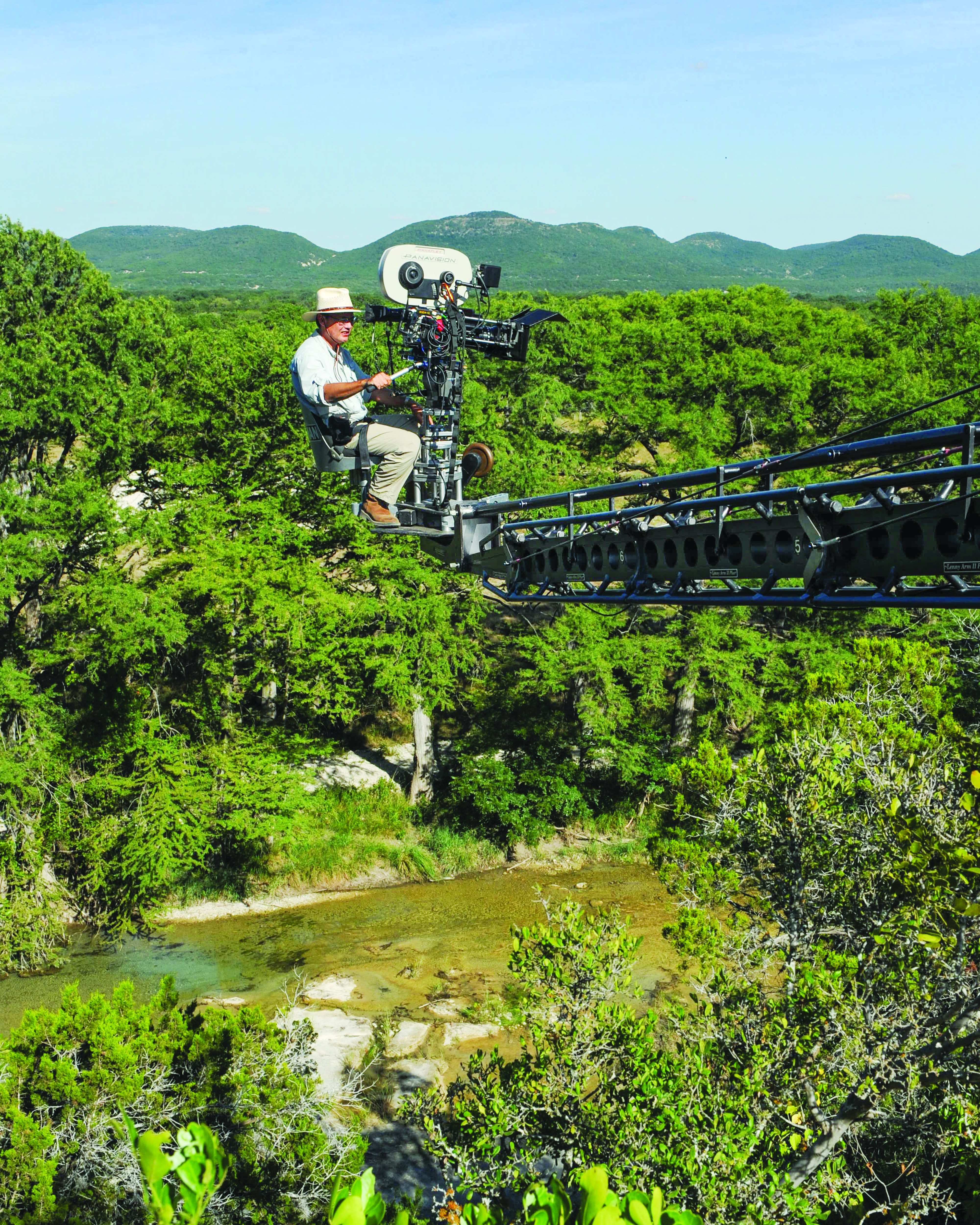
A week before Jackpot was set to begin filming, Mullen screened a test that Rodney Charters, ASC, CSC had shot with the new Sony HDW-F900. The test was hosted by Canadian company Sim Video, which had bought several of the cameras in hopes of getting them onto network shows. Mullen was intrigued: “I asked Sim, ‘Now that you’ve finished demo-ing this camera, what happens to it?’ They said, ‘It goes back to Canada in three weeks.’ I go, ‘Well, next week we’re starting a 12-day feature.’ They let us borrow the camera basically for two weeks. I had time for one day of testing.”
Spending Money to Save Time
Mullen landed his first TV job in 2006, when HBO’s Big Love hired him to serve as co-director of photography on Season 2 with James Glennon, ASC. Mullen was already accustomed to a TV pace of shooting eight to nine pages a day, but there was one aspect of the job that surprised him. “When I asked the AD how soon after call the first shot went up, he said, ‘Usually 15 to 20 minutes.’ I was used to an hour or two going by on an indie film because they’ve got to lay cable from the generator, unload the trucks and load into a location. Onstage on Big Love, they would rehearse the scene the night before, and then they would have a pre-call to light it. At call, they’d do a blocking rehearsal, and we’d be shooting within 15 or 20 minutes after call. That was when I learned the difference between television and low-budget features was that TV was willing to spend the money to save time.”
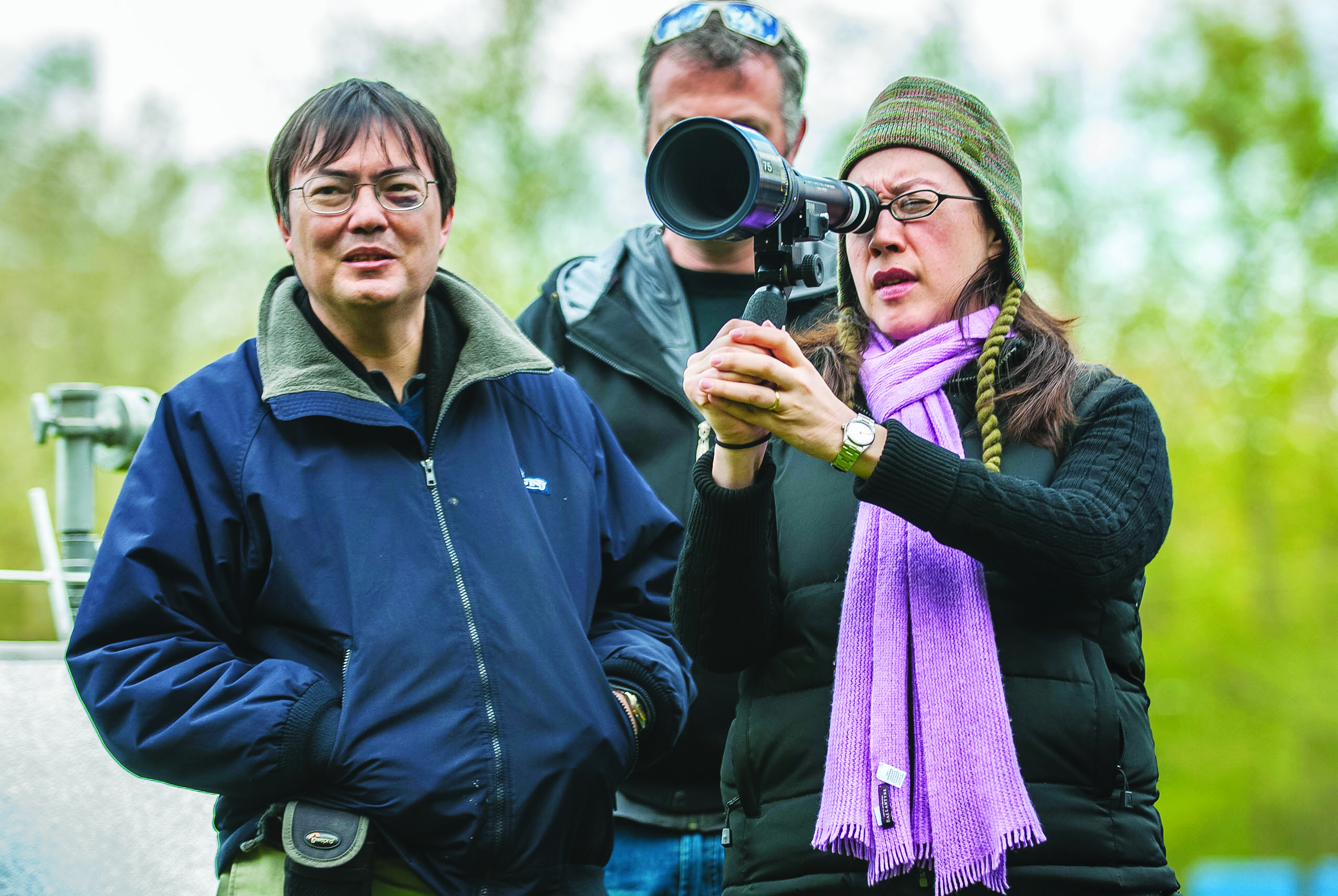
The plan was for Mullen and Glennon to alternate episodes, but Glennon fell ill, and Mullen kept picking up more episodes. “Eventually, I said I couldn’t keep shooting episodes without any prep, so Jim called Haskell Wexler [ASC], who came in to shoot one episode as a favor. We always had one day of overlap on every episode. On the overlap day, as I was starting Episode 5 and Haskell was finishing Episode 4, we got the news that Jim, who was loved by everybody on the crew, had passed away.”
Mullen was set to work on Big Love’s third season as well, but the 2007 Writers Guild strike shut down the show a week before filming began. Mullen filled his schedule with a trio of features: Karyn Kusama’s cult horror film Jennifer’s Body (2009) and two more collaborations with the Polish brothers (The Smell of Success and Stay Cool) that were shot on the newly released Red One camera.
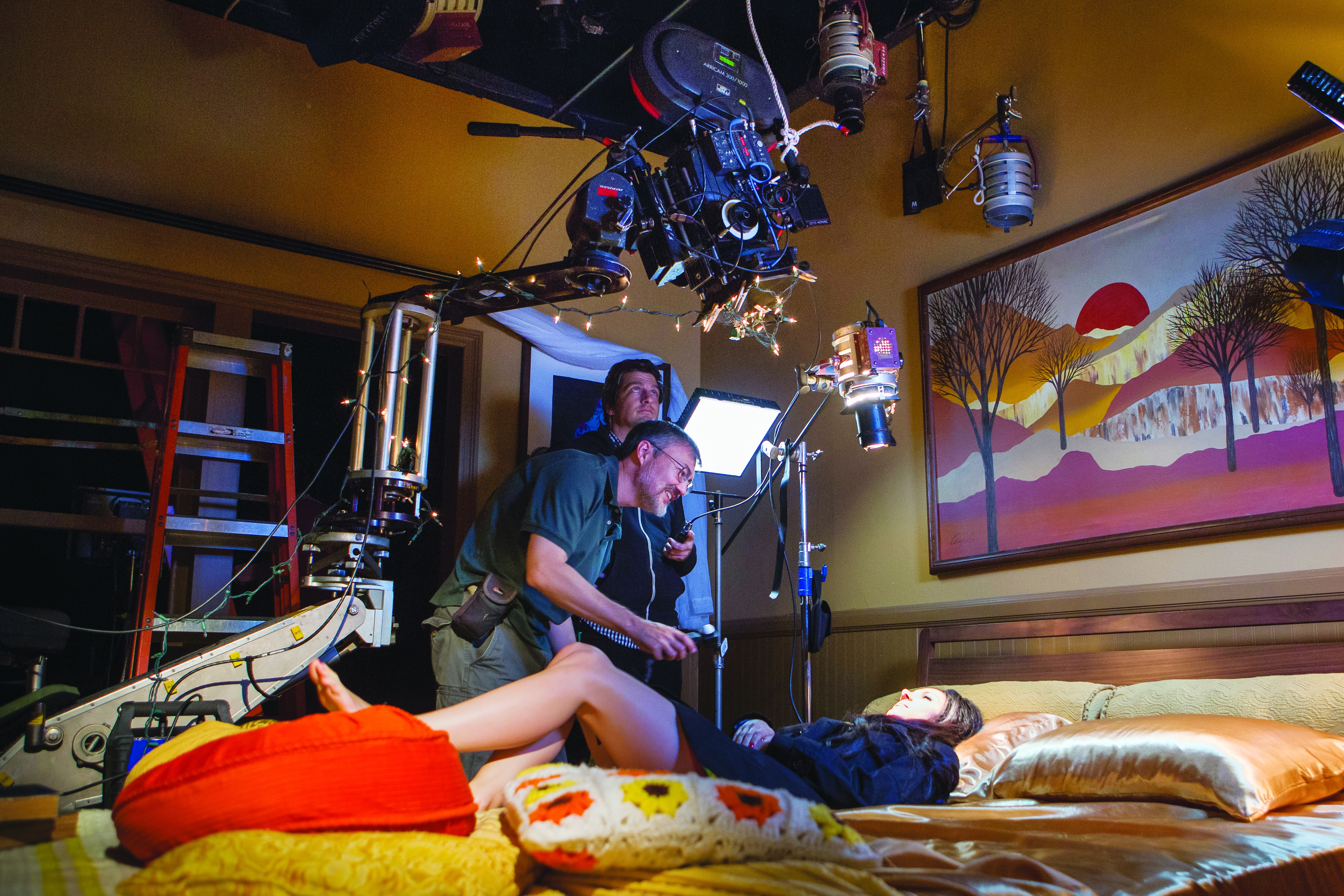
Jennifer’s Body scribe Diablo Cody recommended Mullen for United States of Tara, which was produced by Steven Spielberg for DreamWorks Television and Showtime Networks. Though the series would be digital, Spielberg insisted that the pilot, shot by future ASC member Uta Briesewitz, be shot on film. Mullen’s task became replicating that film look for the rest of the series. His first suggestion was using the Panavision Genesis, which featured a single 35mm-sized sensor as opposed to the 2/3-inch three CCD sensors many digitally shot shows used at the time.
“My simplistic answer when I was asked how to make digital look like film was always that film is basically flat in the highlights and contrasty in the shadows, and digital is flat in the shadows and contrasty in the highlights,” explains Mullen. “So, if you want to make digital look like film, you’ve got to flip that around. You’ve got to somehow get a very loggy flat highlight but somewhat crushed blacks.”
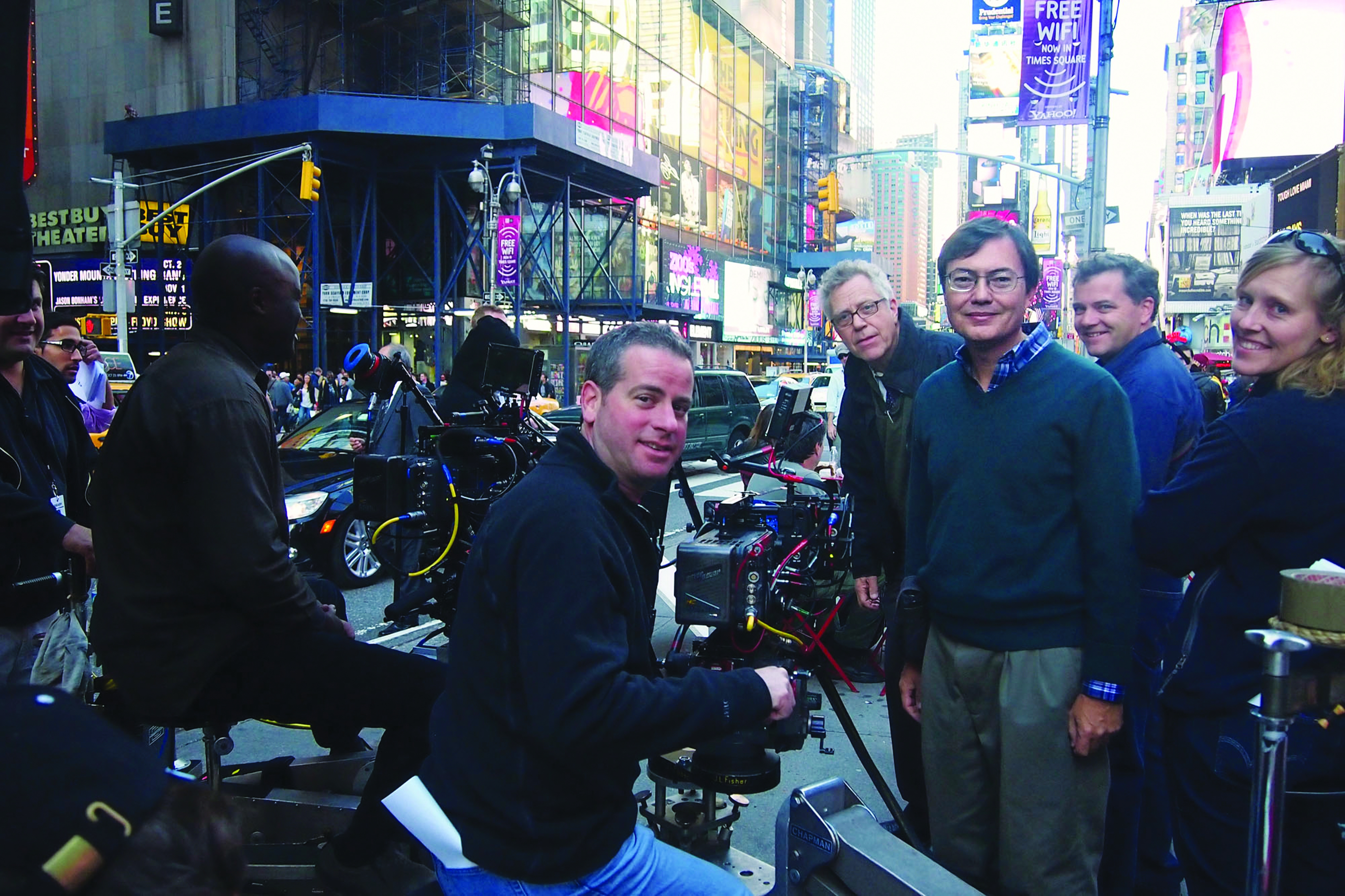
He shot 32 of Tara’s 36 episodes across its three seasons. “There was a period for a few years where every year, I’d get a call from Big Love asking me if I wanted to come back, and one from United States of Tara asking the same. The problem was that my crew on Tara were all the people I’d worked with since my indie-feature days, and if I went back to Big Love, all of them would be out of work. It didn’t seem fair to abandon them to do a different show.”
“Too Nice for TV”
That loyalty to his crew inadvertently led to the lowest ebb in his career. In 2014, coming off the NBC musical drama Smash, Mullen was hired as the cinematographer on the new sci-fi series Extant. When Mullen was invited back for the second season, he was told he would have to replace his entire crew.
“I wasn’t going to tell a dozen people, ‘I’m going back next season, but none of you are.’ I didn’t have the heart to tell them that. They didn’t do anything wrong. So, I turned down Season 2.”
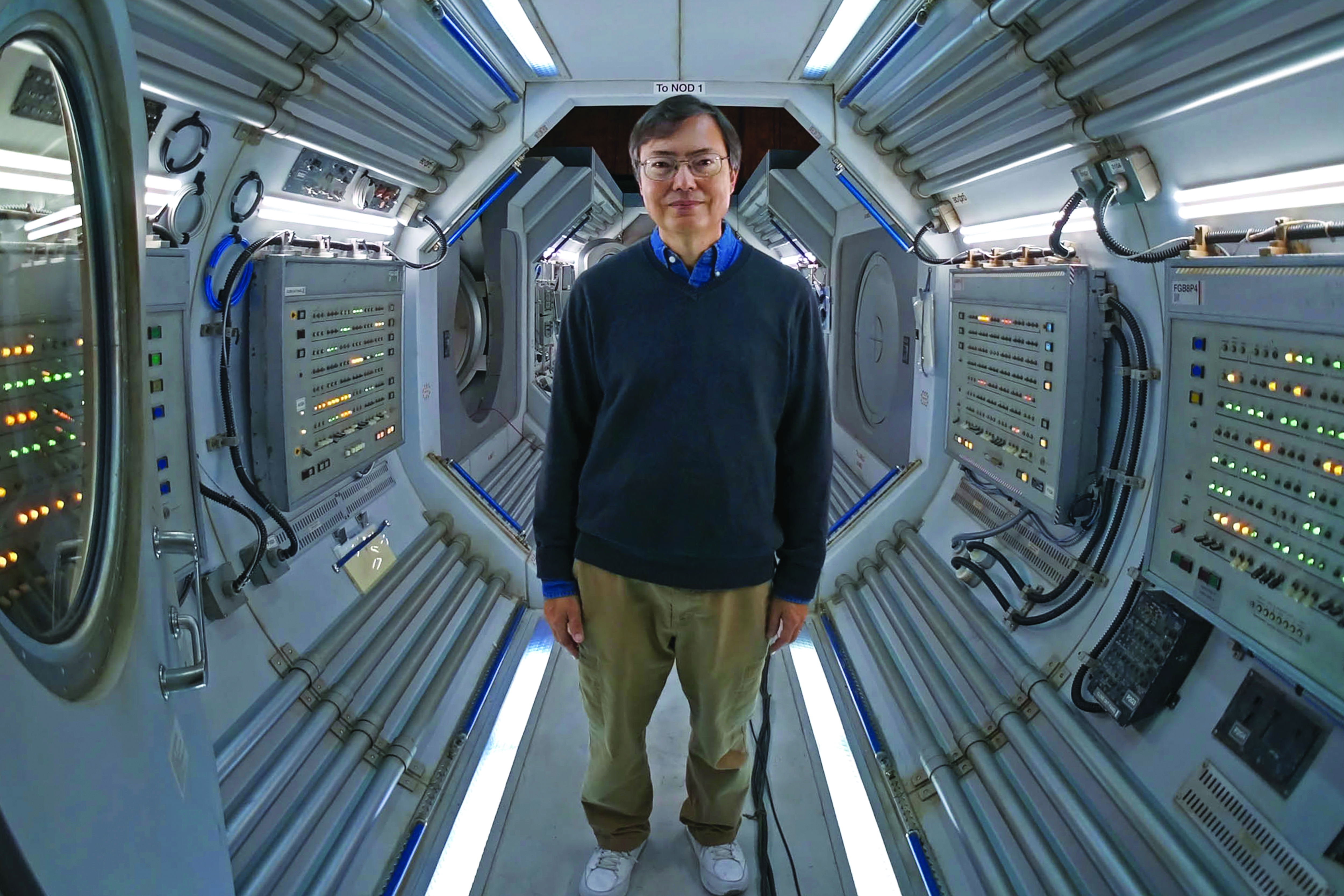
Mullen went off and shot a pair of features — the Polish brothers’ 90 Minutes in Heaven (2015) and CalArts classmate Anna Biller’s The Love Witch (2016) — but when he sought a job for the next television season, he noticed an odd pattern: He would get an offer, and then the offer would be rescinded or communication would cease.
Upon digging deeper, Mullen’s agent discovered that a producer he’d formerly worked with had suggested Mullen no longer be hired for network TV. “My agent said, ‘The word is that you’re too nice to shoot television, that television is a tough business, and you won’t fire people and won’t yell at people. And I was like, ‘I’m out of work because I’m too nice?’”
Another TV season passed, and still no work. The drought finally ended when Paul McGuigan, who’d directed an episode of Smash that Mullen had shot, called with an offer for the ABC pilot Designated Survivor. Mullen explains, “Paul had been working with [cinematographer] Fabian Wagner [ASC, BSC], and Fabian was going to shoot Designated Survivor, but then he got offered Zack Snyder’s Justice League. So, Paul asked for me. Suddenly, I was working again.”
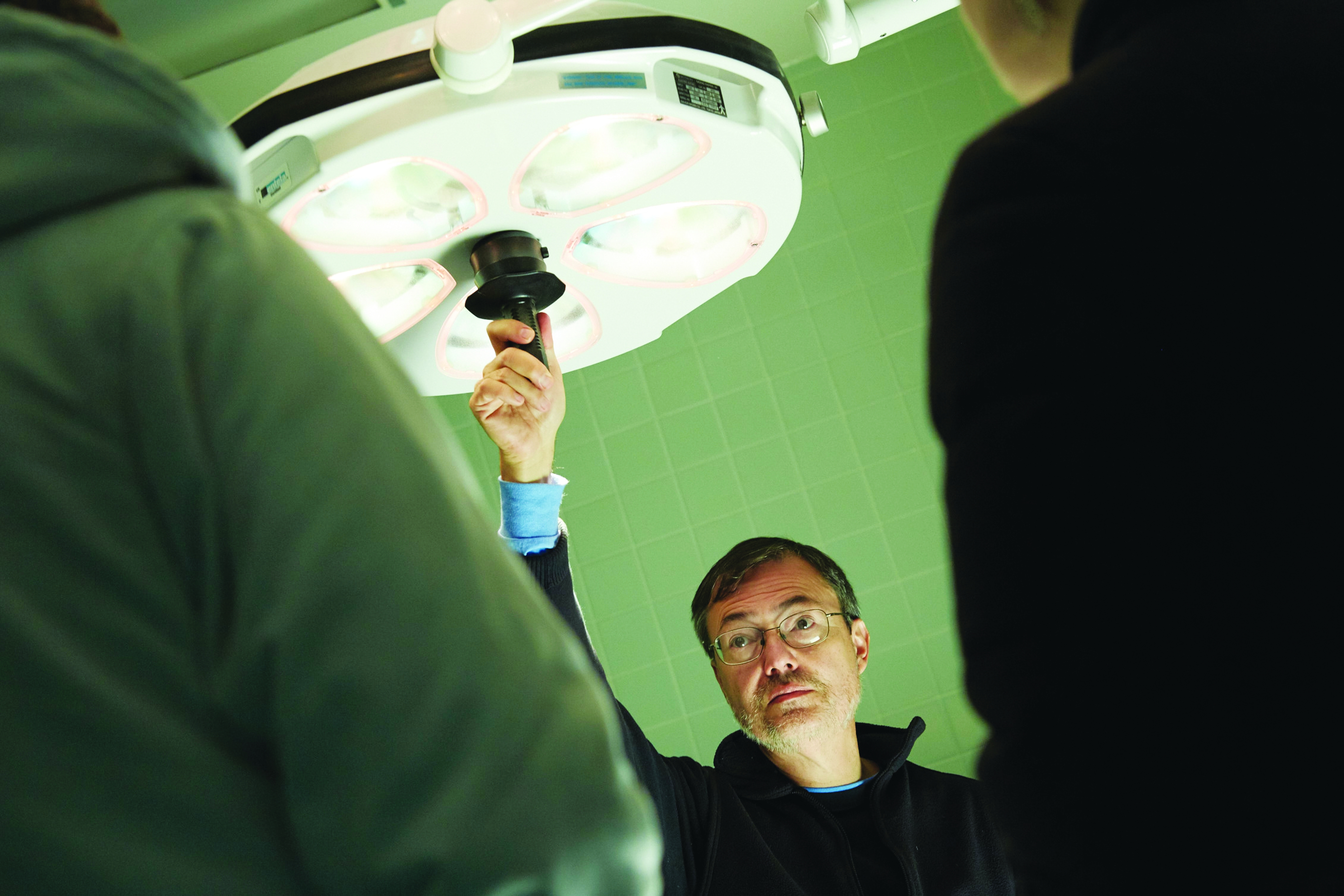
A few months after wrapping that pilot, Mullen was hired to shoot Amy Sherman-Palladino’s The Marvelous Mrs. Maisel. The show, which follows a 1950s divorcée as she chases her dream of becoming a stand-up comedian, ran for five seasons and brought Mullen five Emmy nominations (he won three times) and five ASC Award nominations (winning twice). During this period, he also worked on HBO’s Westworld and Epix’s Get Shorty.
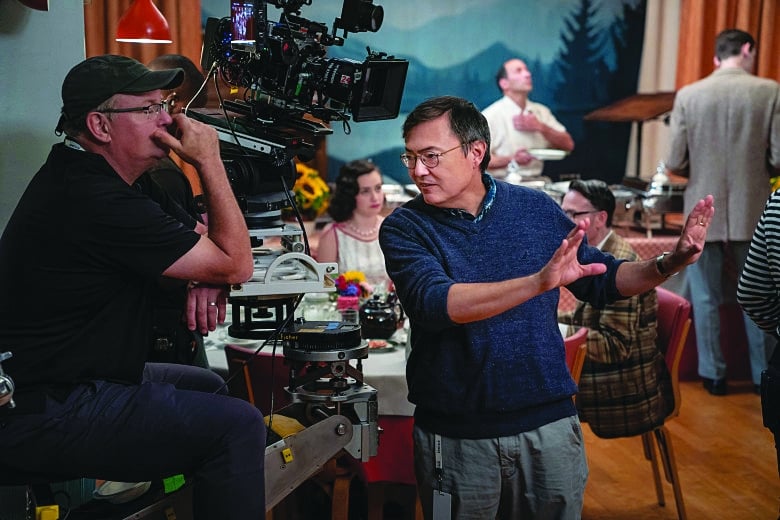
“Amy is very ambitious with camera movement, but she wants a certain amount of beauty — that was my challenge on that show,” says Mullen. “It’s not necessarily hard to move the camera if you don’t care how people look in the lighting, and it’s not necessarily hard to light people to look beautiful if the camera doesn’t move. The challenge is making everyone look beautiful when you’re moving the camera 360 degrees and traveling through several rooms of a house on Steadicam.”
Return to Features
After receiving another Emmy nomination for his work on the Amazon Prime series Étoile, created by Sherman-Palladino and Daniel Palladino, Mullen returned to the feature trenches. First came Reimagined, a family film directed by Grammy-nominated composer Mateo Messina, and then he was off to Prague to shoot Anna Biller’s The Face of Horror. In late 2025, he headed to London to reunite with Sherman-Palladino on the Netflix feature Eloise at the Plaza, an adaptation of the beloved children’s books.
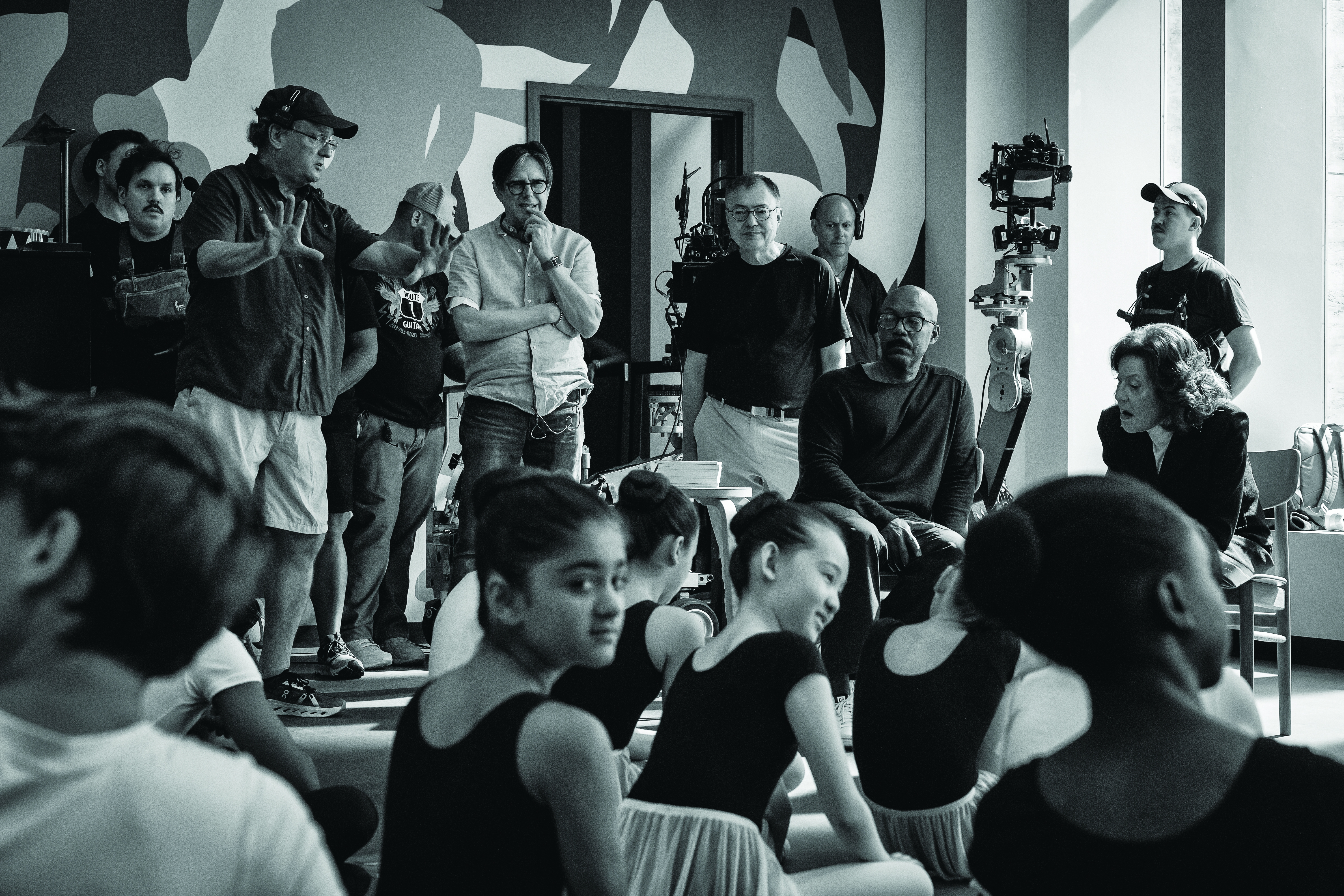
“As a lot of DPs learn,” says Mullen, “you’re only really as good as your directors, and Amy is such an amazing talent as a director that she lifts everyone else’s work up.”