Dan Laustsen ASC, DFF Receives Tesla Award for Visionary Achievement in Filmmaking Technology
The IPA stated that "like Nikola Tesla, Laustsen has a penchant for sharing his ideas with his peers and students through various professional organizations, speaking engagements and demonstrations.”
The International Press Academy (IPA) has bestowed its Tesla Award honoring Visionary Achievement in Filmmaking Technology on Dan Laustsen, ASC, DFF.
“The pioneering stylized lighting and camera techniques displayed in his films make Laustsen one of the world’s most renowned cinematographers,” the IPA announcement reads, adding that “like Nikola Tesla, Laustsen has a penchant for sharing his ideas with his peers and students through various professional organizations, speaking engagements and demonstrations.”
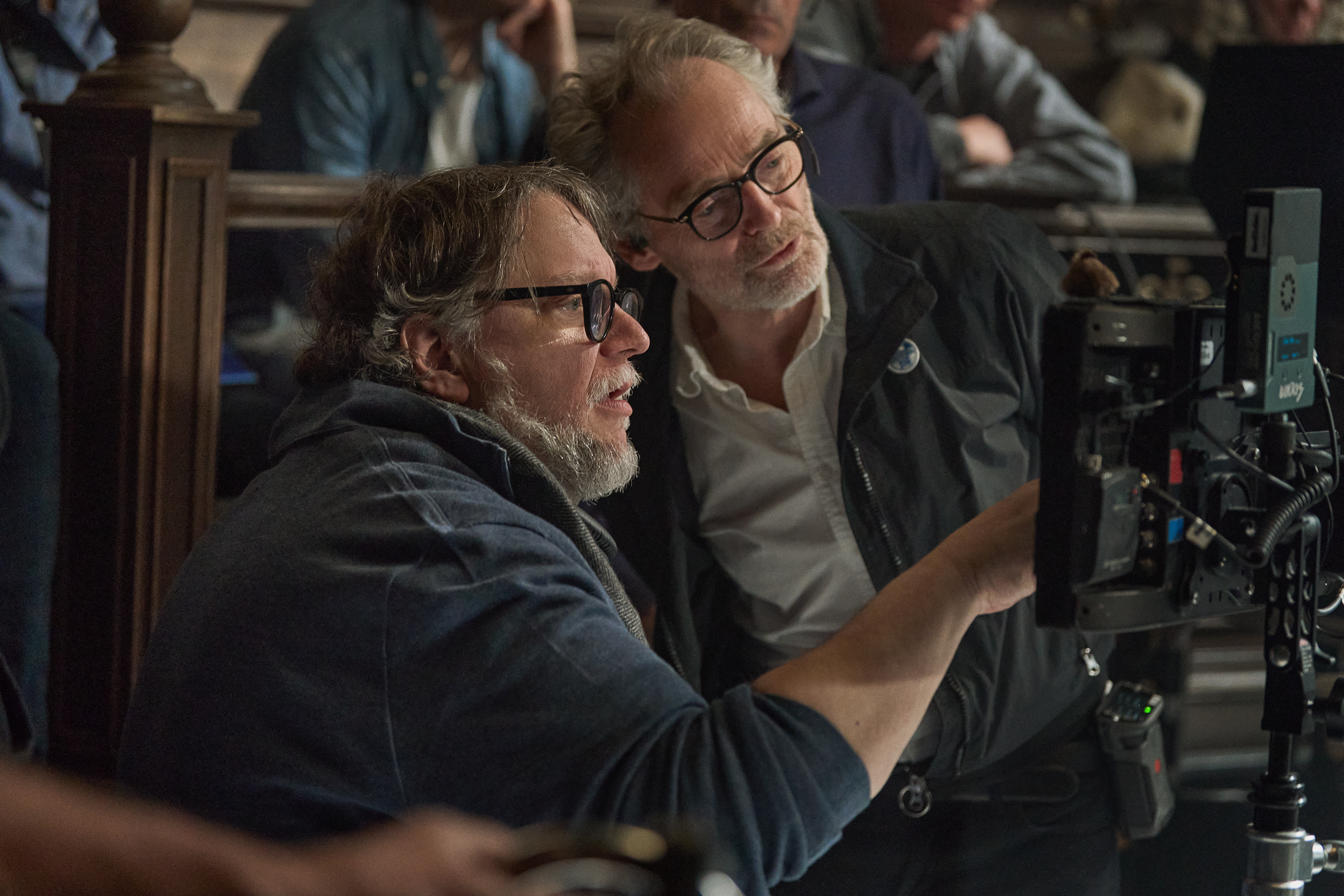
A frequent collaborator with Guillermo del Toro, Laustsen earned Oscar and ASC Award nominations for the director’s films The Shape of Water (AC, Jan. ’18), Nightmare Alley (AC, Jan. ’22), and most recently Frankenstein (AC, Dec. 25). He also lensed del Toro’s Mimic and Crimson Peak.
Watch: Cinematographer Dan Laustsen, ASC, DFF on Frankenstein [Video]
For another longtime collaborator, Chad Stahelski, Laustsen lensed Chapters 2, 3 (AC, June, ’19) and 4 of the popular John Wick series, and is currently filming the director’s Highlander.
Early on, the Danish cinematographer had aspirations to be a documentary photographer, and he studied photography at the National Film School of Denmark. Of his cinematic style, the IPA announcement relates, “Light and color as primary storytell[ing devices] highlight Laustsen’s style, which also relies on the camera as an omniscient narrator that guides the viewer. The use of color palettes with complementary and contrasting shades is dominant in Laustsen’s work, creating images that convey emotion and dimension.
“Laustsen prefers using a single light source, combined with his intricate use of the color palette,” the announcement continues. “His preference for wide-angle lenses and the use of filters behind, instead of in front of, the lens helps eliminate reflections, softens the digital look, and pulls the audience into an immersive experience.”
The announcement cites as an example that “the use of warm colors in the beginning of Frankenstein represents the creature’s innocence, while deeper hues become prominent and signify dramatic shifts as the creature goes through his journey.” Of Laustsen’s lighting technique, the announcement notes that the Frankenstein set was “designed for Laustsen’s preference to light from outside, allowed for the use of massive high intensity lights that beamed through the manufactured windows. That, along with a configured special rig to create the appearance of skylights reflecting from high above, kept the darkness and desired atmosphere.”
Also Read: Behind the Production Design of Frankenstein
Previous recipients of the Tesla Award include ASC members Roger Deakins, Dennis Muren, John Toll and Robert Legato.
IPA postponed the 30th Satellite Awards ceremony due to the “current global situation and ongoing war with Iran.”