Eastman Kodak: The Gold Standard
The Society honors the iconic company with the Curtis Clark ASC Technical Achievement Award.
This article appears in American Cinematographer's February 2026 issue. An expanded version of the story — featuring commentaries from cinematographers Autumn Durald Arkapaw, ASC; Michael Goi, ASC, ISC; Hoyte van Hoytema, ASC, FNF, NSC; and Drew Daniels — is available to AC's print and digital subscribers, and to readers purchasing copies of the issue on newsstands or at the ASC Store. For full access to our archive, which includes more than 105 years of essential motion-picture production coverage, become a subscriber today.
The timing couldn’t be better for Eastman Kodak Co. to receive the Curtis Clark ASC Technical Achievement Award. Movies shot on Kodak film have won the Academy Award for Best Cinematography the last two years: The Brutalist, shot by Lol Crawley, ASC, BSC, and Oppenheimer (AC Oct. ’23), shot by Hoyte van Hoytema, ASC, FSF, NSC. And cinematographer Drew Daniels shot last year’s Best Picture winner, Anora (AC Dec. ’24), on 35mm Kodak film.
Kodak has also played a key role in the recent larger-format revival that has bolstered theatrical exhibition. This trend is exemplified by this year’s Academy Awards Cinematography shortlist contenders One Battle After Another (AC Nov. ’25), shot by Michael Bauman, and Sinners (AC June ’25), shot by Autumn Durald Arkapaw, ASC.
The company recently redesigned its signature Vision3 motion-picture color negative with the improved, environmentally conscious Anti-Halation Undercoat (AHU). And from a financial perspective, Kodak Motion Picture’s revenue has risen 35 percent since 2023, and they foresee a significant increase in 35mm sales this year.

Kodak reports that 200 features were shot on film in 2025, including some that were still in production at press time. Such titles currently in release include Bugonia, shot by Robbie Ryan, BSC, ISC (AC Dec. ’25); Die My Love, shot by Seamus McGarvey, ASC, BSC (see page 24); Jay Kelly, shot by Linus Sandgren, ASC, FSF; Marty Supreme, shot by Darius Khondji, ASC, AFC (AC Jan. ’26); The Smashing Machine, shot by Maceo Bishop; and The Testament of Ann Lee, shot by William Rexer, ASC.
Last year, Kodak even supplied 35mm print film for release prints of features shot digitally, including Frankenstein, shot by Dan Laustsen, ASC, DFF (AC Dec. ’25).
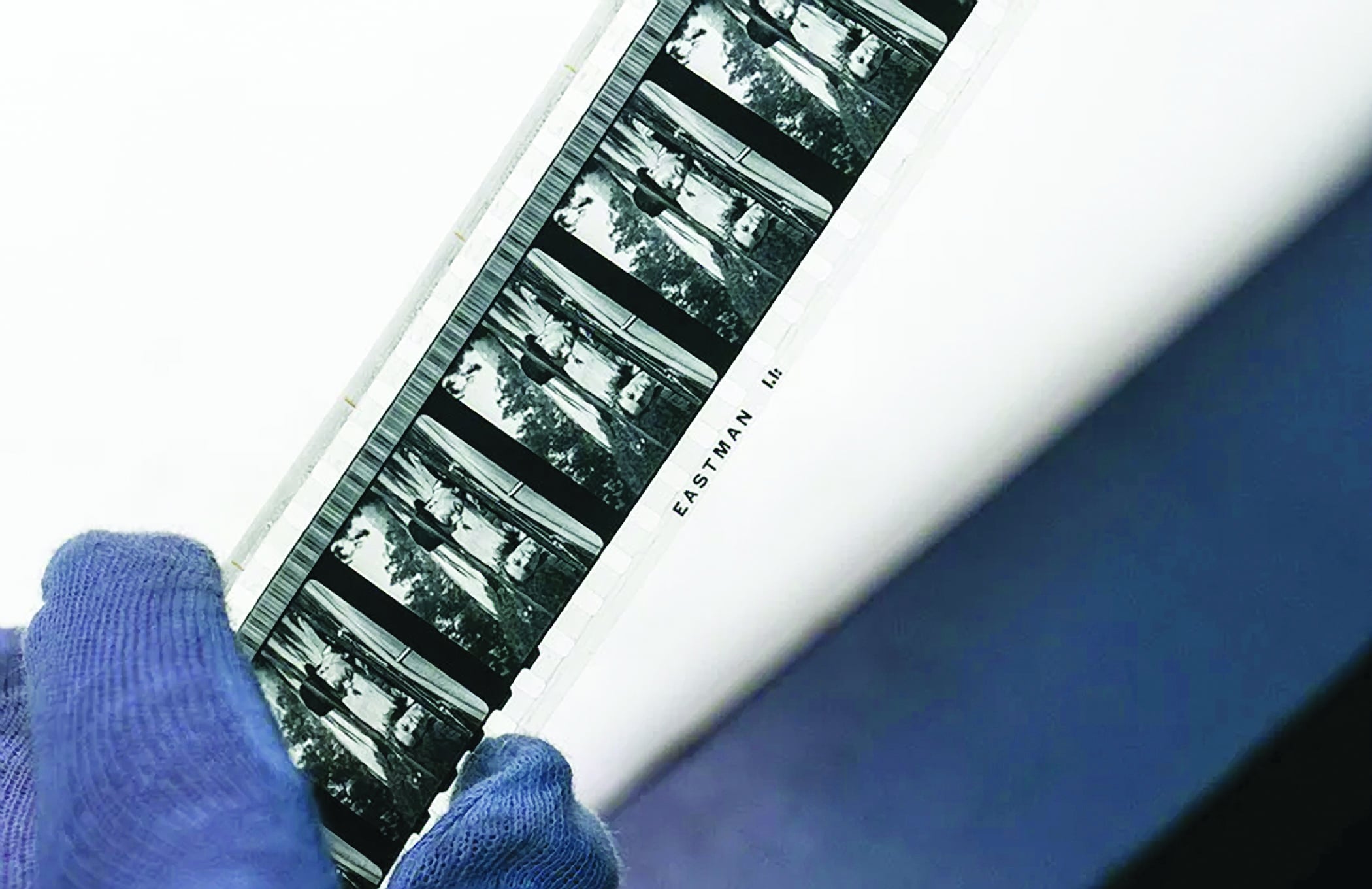
Investing and Expanding
“This special acknowledgment from the ASC is testimony to the importance and relevance of film today,” says Vanessa Bendetti, Kodak’s vice president and head of motion picture. “Film is an essential part of visual storytelling and the theatrical experience, and Kodak continues to invest in its manufacturing infrastructure and products to support and grow the medium. It’s the gold standard and often the primary reference for motion pictures. Whether an artist ultimately captures on film or not, in all probability they’re looking to emulate it.”
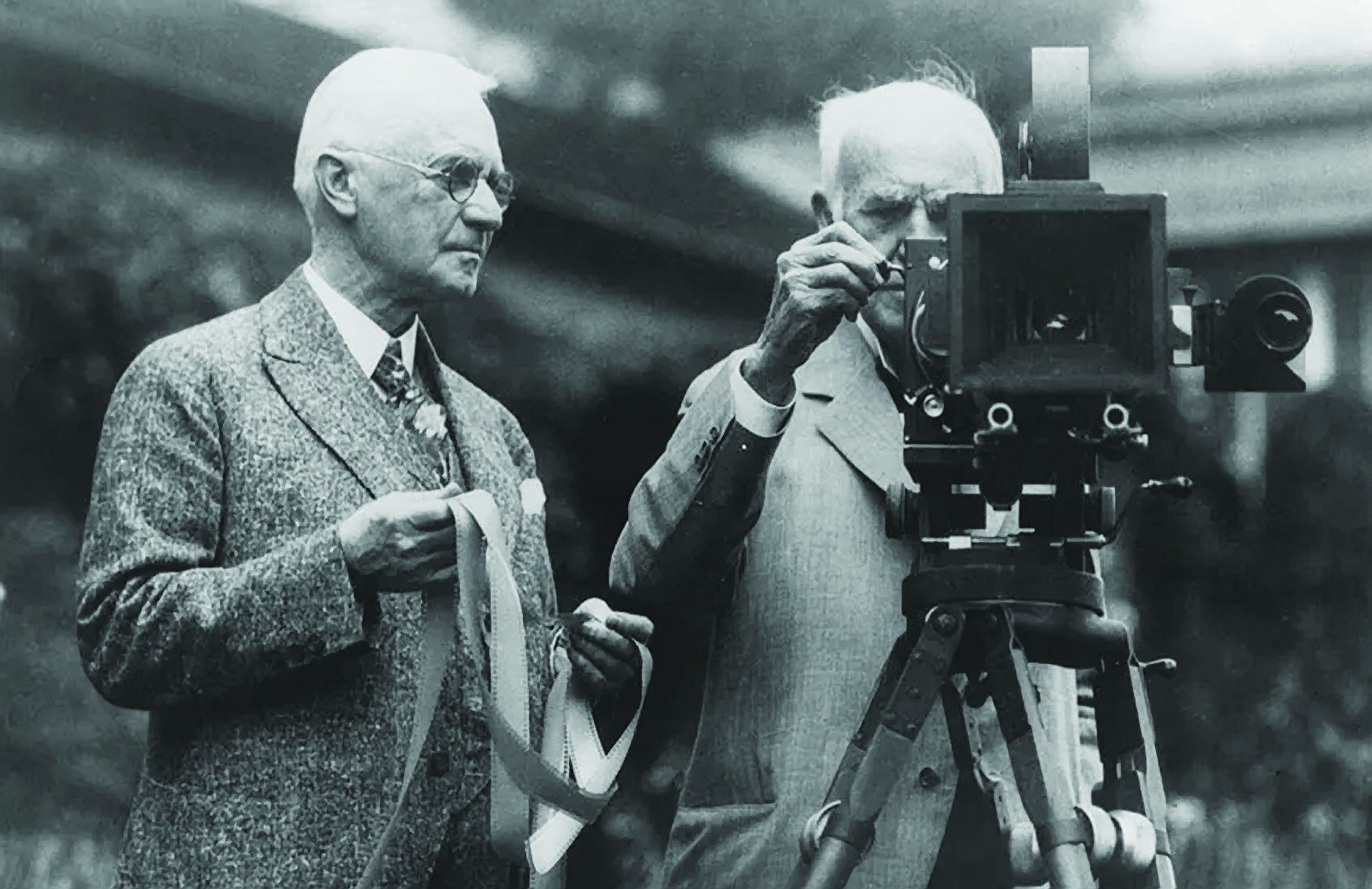
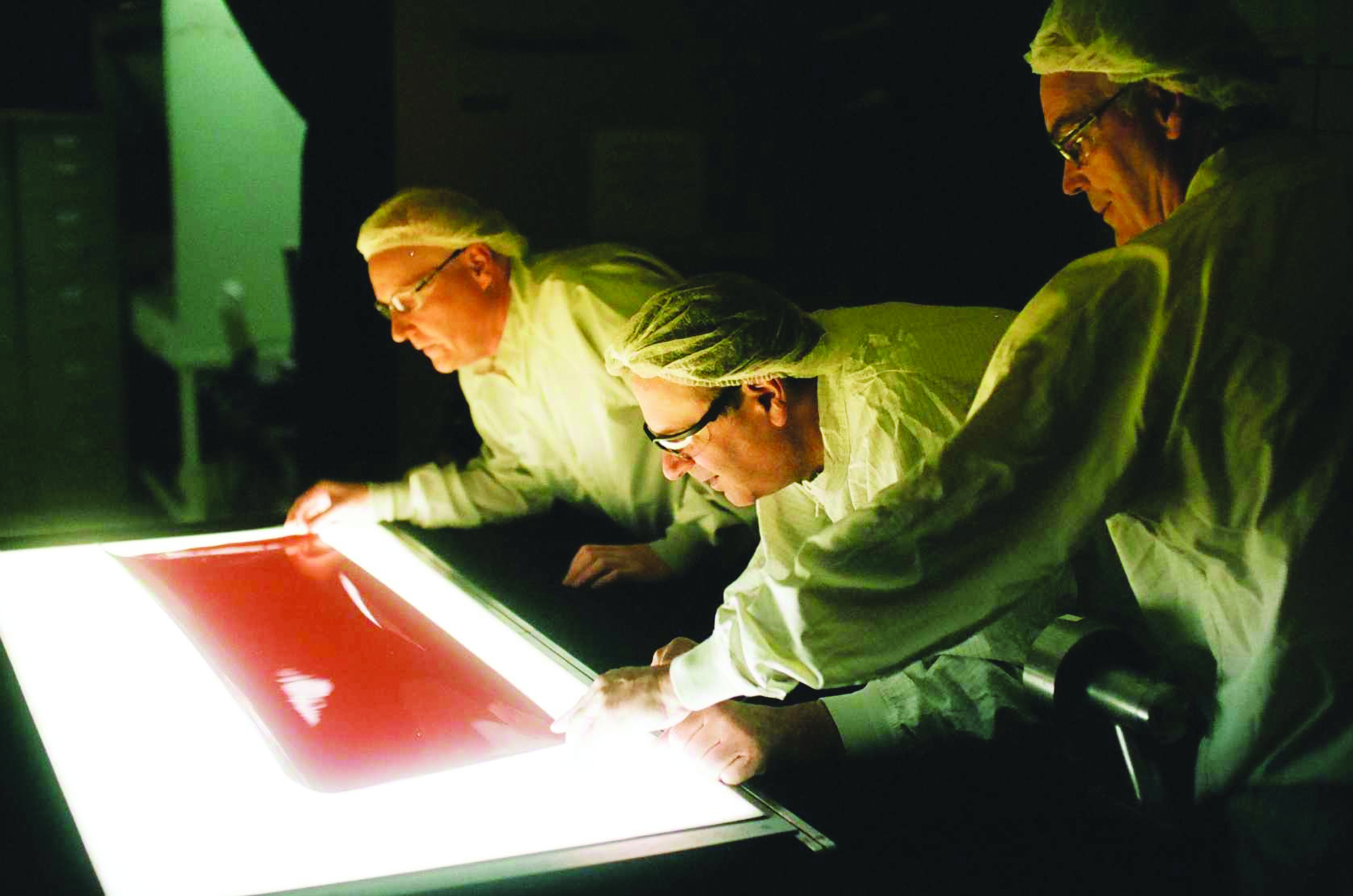

To keep up with growing demand for film negative, Kodak is expanding its lab services, and others are also reinvesting in the photochemical ecosystem. “We’re supporting industry partners who are opening labs in underserved markets,” Bendetti says. “By the middle of 2026, there should be at least two new labs in Australia.”
Regarding the company’s recent redesign of the Vision3 emulsion, she says, “There’s a lot of silver in the Anti-Halation Undercoat, and it’s not less complex. But [its predecessor] remjet was just a messy substance. It was a remarkable achievement for Kodak’s film-design team to develop a way around it, and it offers improvement to Vision3. We get to reduce water consumption and energy, and there will be cleaner results through the labs.” (For more on this Vision3 redesign, see Tools of the Trade, AC Sept. ’25).

Larger Format
Meanwhile, Kodak continues to meet the audience’s appetite for larger-format filmmaking. “There’s significant growth in our business right now, and there’s opportunity on the exhibition side, in addition to capture, that I’m really excited about. With 70mm and Imax in particular, there’s been a growth spurt in ‘event’ film screenings — and Imax continues to support film capture with their film cameras, like they’ve done for Chris Nolan and Ryan Coogler. Although film is a small percentage of Imax’s total footprint, I understand it drives significant box office for the company, so they’re incentivized to support film, and they’re great partners.”
Yet there are challenges with manufacturing 65mm film while keeping up with 35mm and 16mm projects. “For example, this year we doubled our 65mm finishing capacity to keep pace with The Odyssey, Dune: Part 3, and another show that was shooting 65mm that I can’t speak about just yet,” says Bendetti.
For The Odyssey, which will open in July 2026, Christopher Nolan and van Hoytema became the first filmmakers to use Imax’s next-generation 65mm cameras. This also marks the first narrative theatrical release to be shot entirely with Imax 65mm cameras.
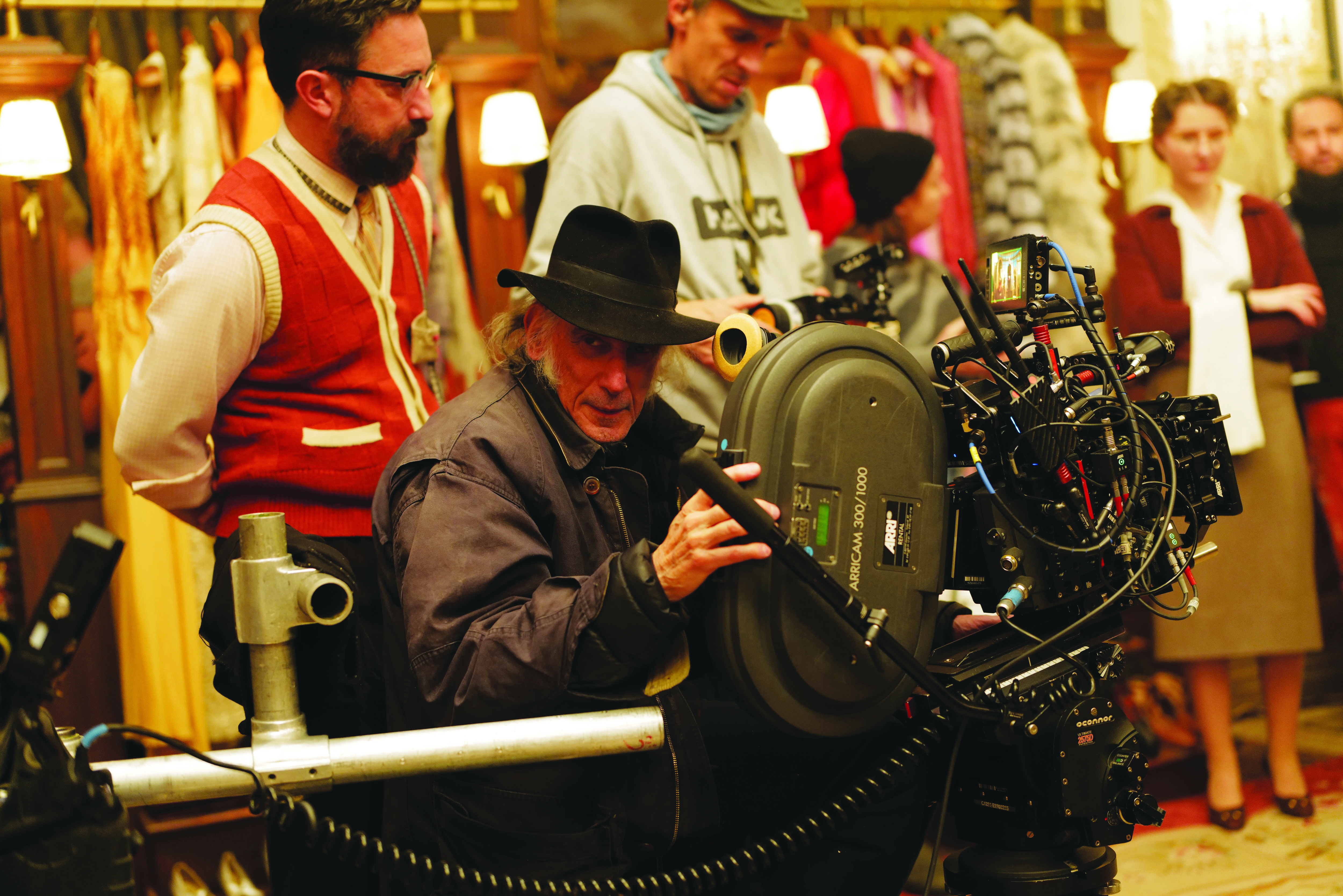
“We provide Imax with film stock for their extensive camera tests, and their engineers confer with our film-design and film-finishing teams whenever they need to,” says Bendetti. “I think the purpose of the new 65mm Imax cameras is to expand their fleet; allow more filmmakers to use them; and make the camera a quieter, more dialogue-friendly piece of machinery. There’s clear demand for the on-film experience, and additional cameras will help to feed that pipeline.

Denis Villeneuve’s Dune: Part 3, shot by Linus Sandgren, ASC, FSF and set for a December 2026 release, will feature some sequences captured on 15-perf Imax and 5-perf 65mm, the first use of film-capture for that franchise. “Linus has shot the new AHU stock on Dune,” Bendetti adds.
“The Odyssey was shot with older remjet stock because they started production prior to our commercialization of AHU in 65mm.
“Anything involving the film ecosystem, we strive to support — with Imax, regional labs, or others investing in cameras and film workflow.”
VistaVision Returns
The revival of VistaVision has also made moviegoing an event. Last year, Paul Thomas Anderson’s One Battle After Another (AC Nov. ’25) was exhibited with upgraded VistaVision horizontal projectors in select metropolitan markets, and the format returns this year in Emerald Fennell’s Wuthering Heights, shot by Sandgren, and Alejandro G. Iñárritu’s Digger, shot by Emmanuel Lubezki, ASC, AMC. The Brutalist was shot in VistaVision as well. “I think there’s an appreciation for the image fidelity, the immersive experience that the VistaVision image creates,” Bendetti says. “On top of that, filmmakers are artisans, and they want to expand their toolbox.

“The infrastructure for VistaVision is challenged, but there’s a lot of interest in the format right now, so I expect it will continue to get better,” she continues. “The film medium is more organic and tactile, and VistaVision hearkens back to the types of movies that filmmakers often reference. The desire to use the same tools that were used before really favors film, and it’s helping to sustain and grow the medium. And it’s just really hard to match what that format looks like, especially projected in VistaVision!”
Images courtesy of Eastman Kodak Co., unless otherwise noted.
Academy Honors
A selection of Academy Award achievements from among Eastman Kodak's many recognitions.
1930/31 (4th) - Scientific or Technical Award (Class 1)
To Dupont Film Manufacturing Corp. and Eastman Kodak Company for super-sensitive panchromatic film. [Certificate of merit, with names engraved on a permanent statuette kept at the Academy]
1931/32 (5th) - Scientific or Technical Award (Class III)
To Eastman Kodak Company for its Type II-B Sensitometer. [Honorable mention in report of Board of Judges]
1935 (8th) - Scientific or Technical Award (Class II)
To Eastman Kodak Company for their development of the Eastman Pola-Screen. [Certificate of honorable mention]
1937 (10th) - Scientific or Technical Award (Class II)
To Eastman Kodak Company for two fine-grain duplicating film stocks. [Certificate of honorable mention]
1949 (22nd) - Scientific or Technical Award (Class I)
To Eastman Kodak Company for the development and introduction of an improved safety base motion picture film. [Statuette]
1952 (25th) - Scientific or Technical Award (Class I)
To Eastman Kodak Company for the introduction of Eastman Color Negative and Eastman Color Print Film. [Statuette]
1955 (28th) - Scientific or Technical Award (Class II)
To Eastman Kodak Company for Eastman Tri-X Panchromatic Negative Film. [Plaque]
1968 (41st) - Scientific or Technical Award (Class I)
To Eastman Kodak Company for the development and introduction of a color reversal intermediate film for motion pictures. [Statuette]
Scientific or Technical Award (Class II)
To Eastman Kodak Company and Producers Service Company for the development of a new high-speed step-optical reduction printer. [Plaque]
Scientific or Technical Award (Class II)
To Eastman Kodak Company for the introduction of a new high-speed motion picture color negative film. [Plaque]
Scientific or Technical Award (Class III)
To Eastman Kodak Company for a new direct positive film and to Consolidated Film Industries for the application of this film to the making of post production work prints. [Certificate of honorable mention]
1970 (43rd) - Scientific or Technical Award (Class III)
To Eastman Kodak Company and Photo Electronics Corporation for the design and engineering of an improved video color analyzer for motion-picture laboratories. [Academy citation]
1977 (50th) - Scientific or Technical Award (Class II)
To Eastman Kodak Company for the development and introduction of a new duplicating film for motion pictures. [Plaque]
1978 (51st) - Scientific or Technical Award (Academy Award of Merit)
To Eastman Kodak Company for the research and development of a Duplicating Color film for Motion Pictures. [Statuette]
1987 (60th) - Scientific or Technical Award (Scientific and Engineering Award)
To Eastman Kodak Company for the development of Eastman Color High Speed Daylight Negative Film 5297/7297. [Plaque]
Scientific or Technical Award (Scientific and Engineering Award)
To Eastman Kodak Company for the development of Eastman Color High Speed SA Negative Film 5295 for blue-screen traveling matte photography. [Plaque]
1988 (61st) - Honorary Award
To Eastman Kodak Company in recognition of the company’s fundamental contributions to the art of motion pictures during the first century of film history. [Statuette]
1990 (63rd) - Scientific or Technical Award (Academy Award of Merit)
To Eastman Kodak Company for the development of T-Grain Technology and the introduction of EXR Color Negative Films, which utilize this technology. [Statuette]
1994 (67th) - Scientific and Technical Award (Academy Award of Merit)
To Eastman Kodak Company for the development of the Eastman EXR Color Intermediate Film 5244. [Statuette]
2007 (80th) - Scientific and Technical Award (Academy Award of Merit)
To Eastman Kodak Company for the development of photographic emulsion technologies incorporated into Kodak Vision2 Color Negative Films. [Statuette]
— Compiled from a list provided by Eastman Kodak Co.