Robert Yeoman, ASC: A Chameleonic Collaborator
The 2026 ASC Lifetime Achievement Award honoree has been a go-to cinematographer for top directors, while continually branching out.
This article appears in American Cinematographer's February 2026 issue. For full access to our archive, which includes more than 105 years of essential motion-picture production coverage, become a subscriber today.
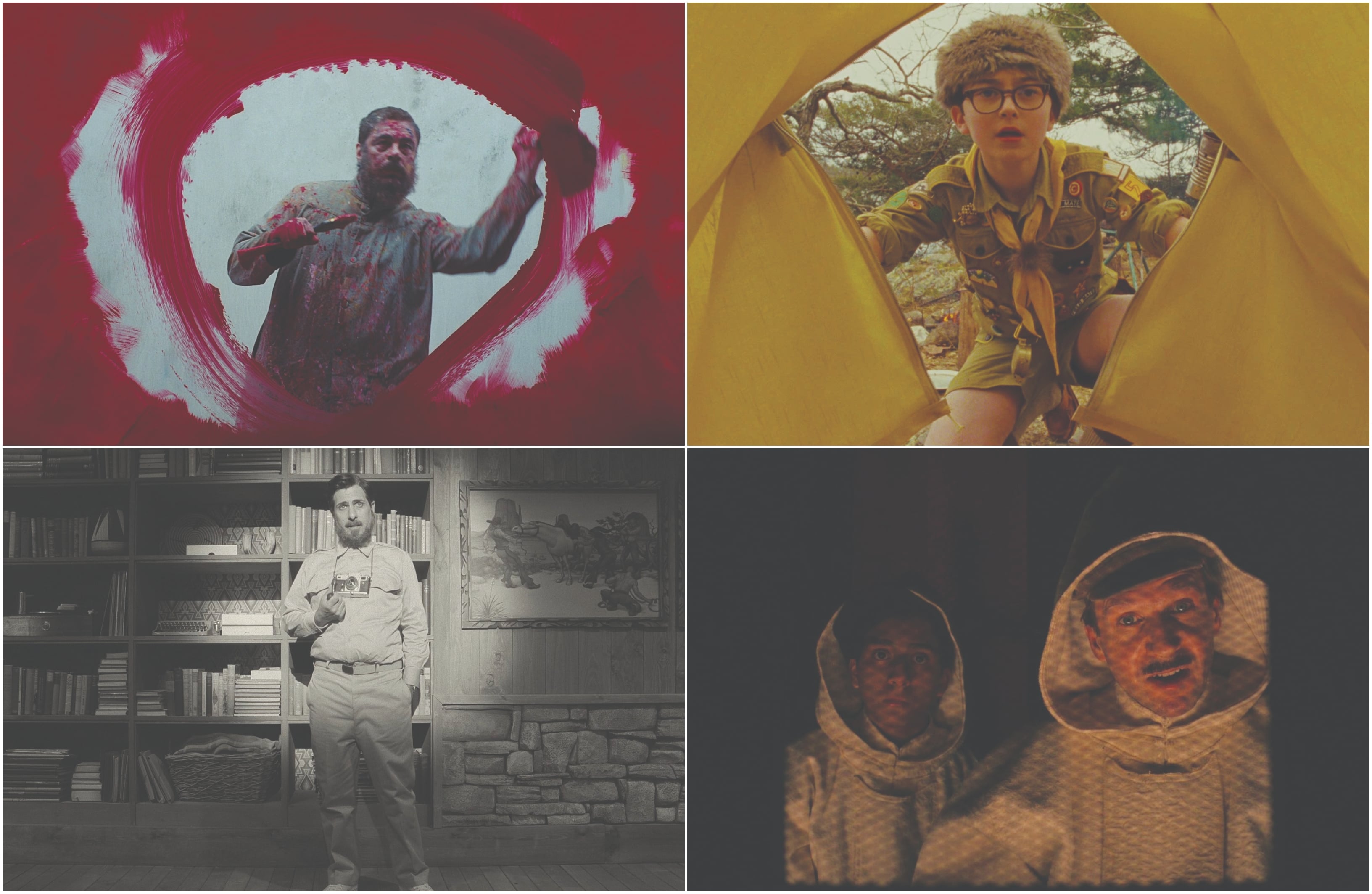
Since he first garnered acclaim for his Independent Spirit Award-winning cinematography in Gus Van Sant’s Drugstore Cowboy (AC June ’89), Robert Yeoman, ASC has forged lasting creative partnerships in both the independent and studio realms, notably with directors Wes Anderson and Paul Feig. Next month he will be honored with the ASC Lifetime Achievement Award for his distinguished contributions to such films as Asteroid City, The French Dispatch (AC Nov. ’21), Spy, Love & Mercy (AC July ’15), The Grand Budapest Hotel (AC March ’14), Moonrise Kingdom (AC June ’12), Bridesmaids, Yes Man, The Squid and the Whale (AC Nov. ’05), and The Royal Tenenbaums (AC Jan. ’02).
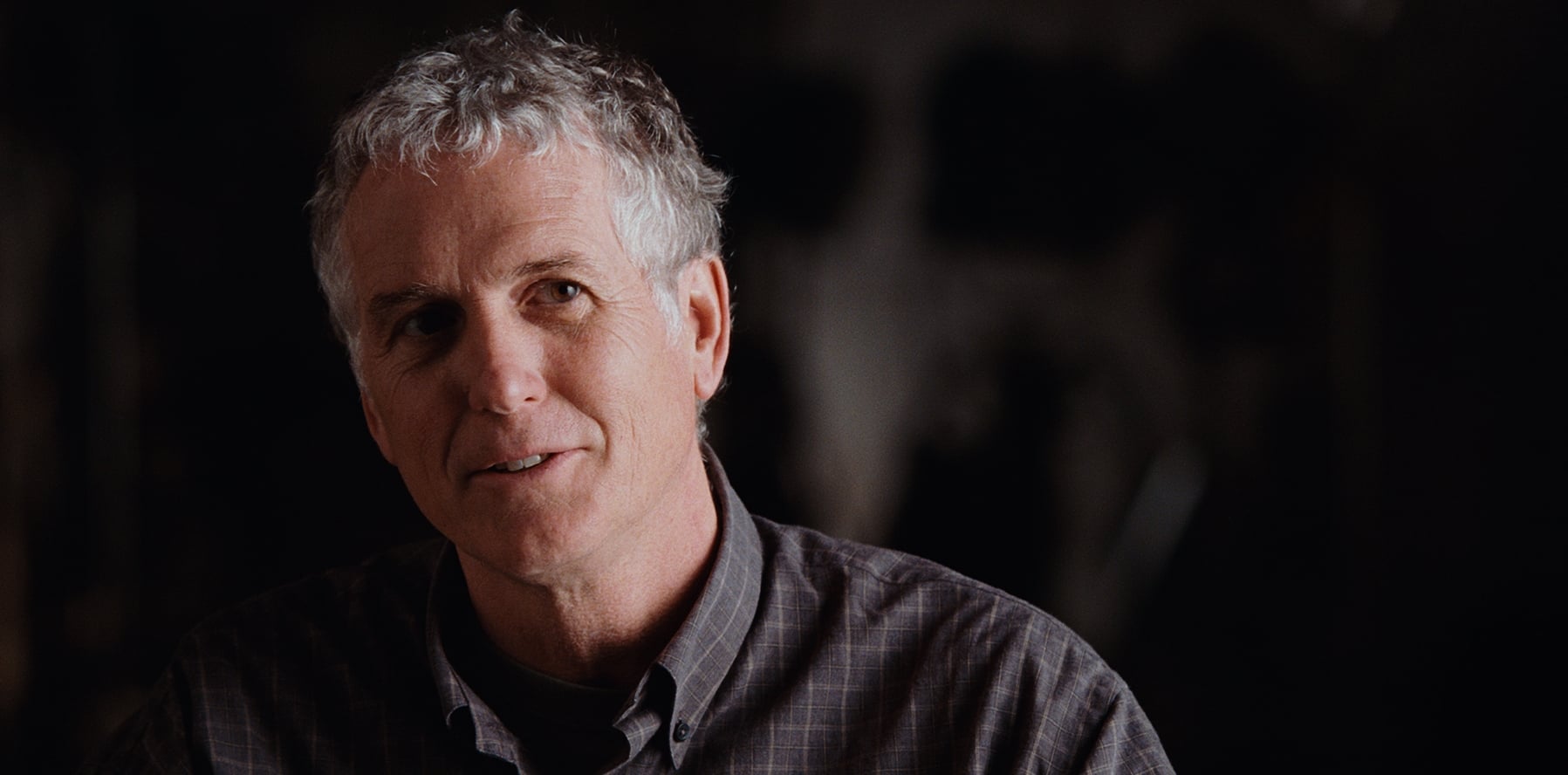
“It’s an amazing honor,” Yeoman says.
Friedkin and Müller
Born in Erie, Pennsylvania, and raised in Chicago, Yeoman earned a bachelor’s degree in psychology at Duke University before making his way west to study film at the University of Southern California. His big break arrived when he was hired to supervise 2nd-unit cinematography on William Friedkin’s To Live and Die in L.A., shot by Robby Müller, NSC, BVK. Yeoman recalls, “I got a call to shoot a test for them, and they started giving me second-unit shots, like cars driving on freeways at sunset. They liked what I was doing, so when they wanted a second camera for fights and stunts, I became the B operator.
“I’d never watched another cinematographer work,” he adds, “and that allowed me to learn from Robby.”
When Müller had to step away from the project, Friedkin handed Yeoman the reins. “I was very young and inexperienced and, quite honestly, way over my head,” he reflects. “I owe it all to Billy Friedkin and Robby to help me get there.” Friedkin, widely acknowledged as a demanding director, recognized the promise of Yeoman’s work and subsequently hired him to shoot the crime drama Rampage.
Expert Guidance
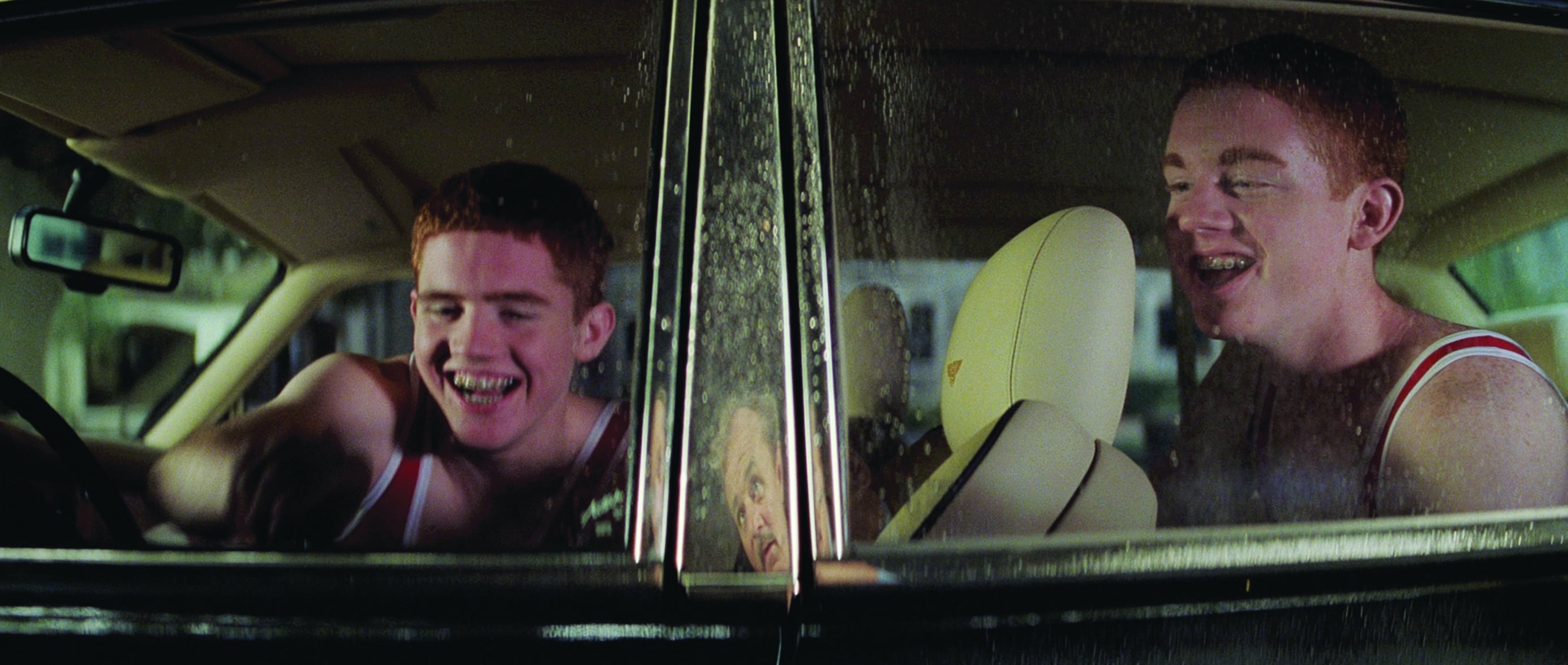
Anderson says it was Yeoman’s work on Drugstore Cowboy and the Friedkin films that motivated him to meet with the cinematographer about Bottle Rocket. Co-written by Anderson and Owen Wilson, the comedy stars Owen and his brother Luke. “Owen and I particularly had loved Drugstore Cowboy,” says Anderson, “and then I saw that Bob had worked with William Friedkin, and that was interesting to me, too. When I met him, we hit it off. And our producers, Jim Brooks and Polly Platt, loved Bob as well.”
Yeoman recalls, “Wes is 18 years younger than I am, and he looked like a high-school kid, but we hit it off — we talked about movies we liked and didn’t like, about Bottle Rocket, and he offered me the job. He, Owen and Luke are very tight, and it was their first feature. They had so much enthusiasm; they were like kids finally getting to make their movie, and James Brooks was executive producing. It was a magical experience.”
Anderson notes, “Bob was the most experienced filmmaker on the set other than Polly. I relied on him for not just guidance on how we were going to [make and] shoot the movie, but on how we go about just living through the process of doing a movie.”
He and Yeoman have since collaborated on nine other features, as well as short films. The director’s predilection for anamorphic widescreen has led the duo to regularly review classic films shot in the format while they prep their own projects. “We would always watch certain movies, Chinatown and Jaws, along with Close Encounters of the Third Kind, just for how they were using widescreen, along with movies that had a more specific relationship to [the project at hand],” Anderson says.
An Evolving Aesthetic
The duo’s second feature together, Rushmore, focuses on a bright but epically distracted high-school student (played by Jason Schwartzman), the wealthy industrialist he befriends (Bill Murray), and their romantic rivalry over a comely teacher (Olivia Williams). The melancholy comedy is notable for its emotive color palette, tableau compositions, whip pans and montages — all now hallmarks of Anderson’s style.
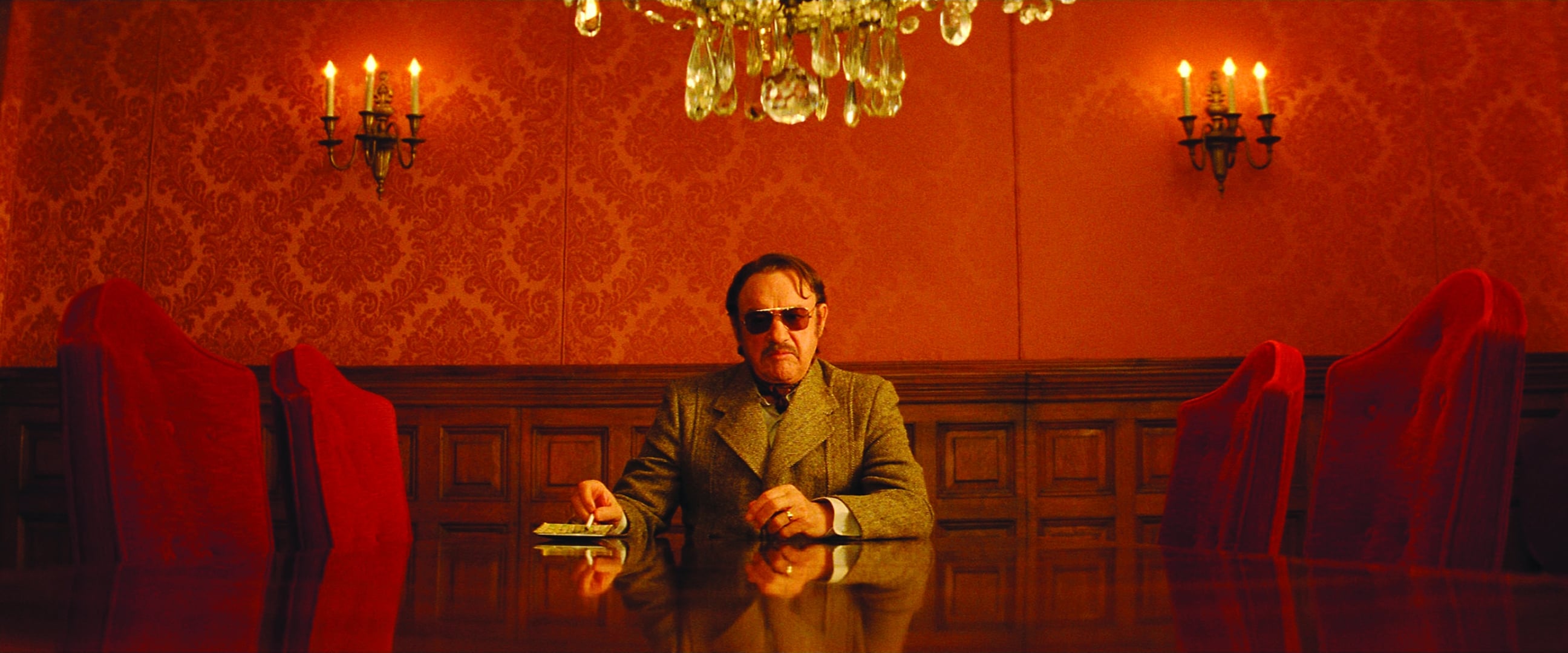
For The Royal Tenenbaums, Anderson’s next collaboration with Yeoman, the director drew significant inspiration from novelist John Irving to tell the story of an eccentric family in Manhattan. Bursting with bright colors, meticulous art direction, vintage costumes and symmetrical medium shots, the film resembles illustrations unfolding in a storybook. The high-profile cast included Gene Hackman, Anjelica Huston, Danny Glover, Gwyneth Paltrow and Ben Stiller, and the picture was a major box-office success. It also garnered Anderson and Owen Wilson an Oscar nomination for their screenplay. “That cemented Wes as an important director,” Yeoman says.
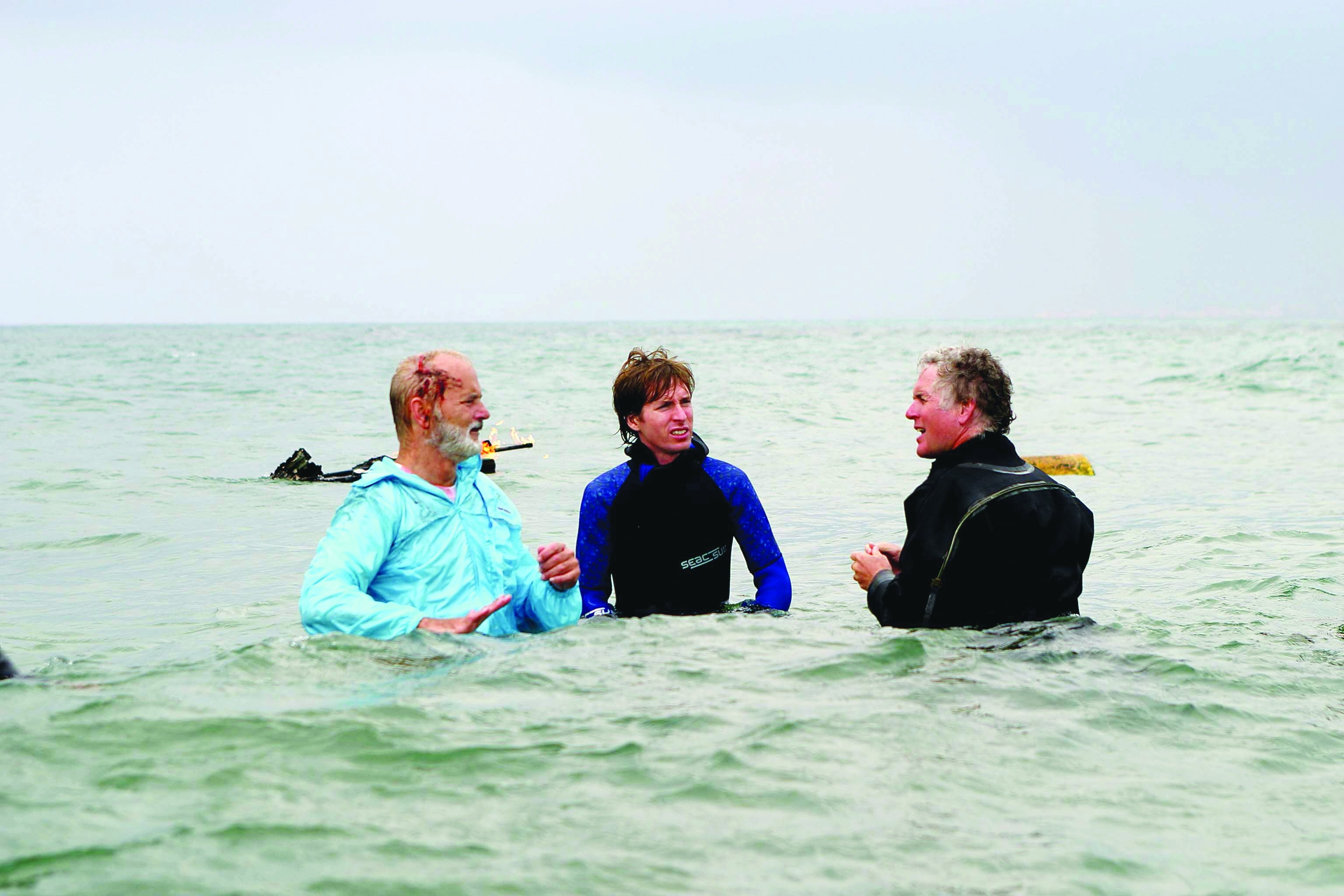
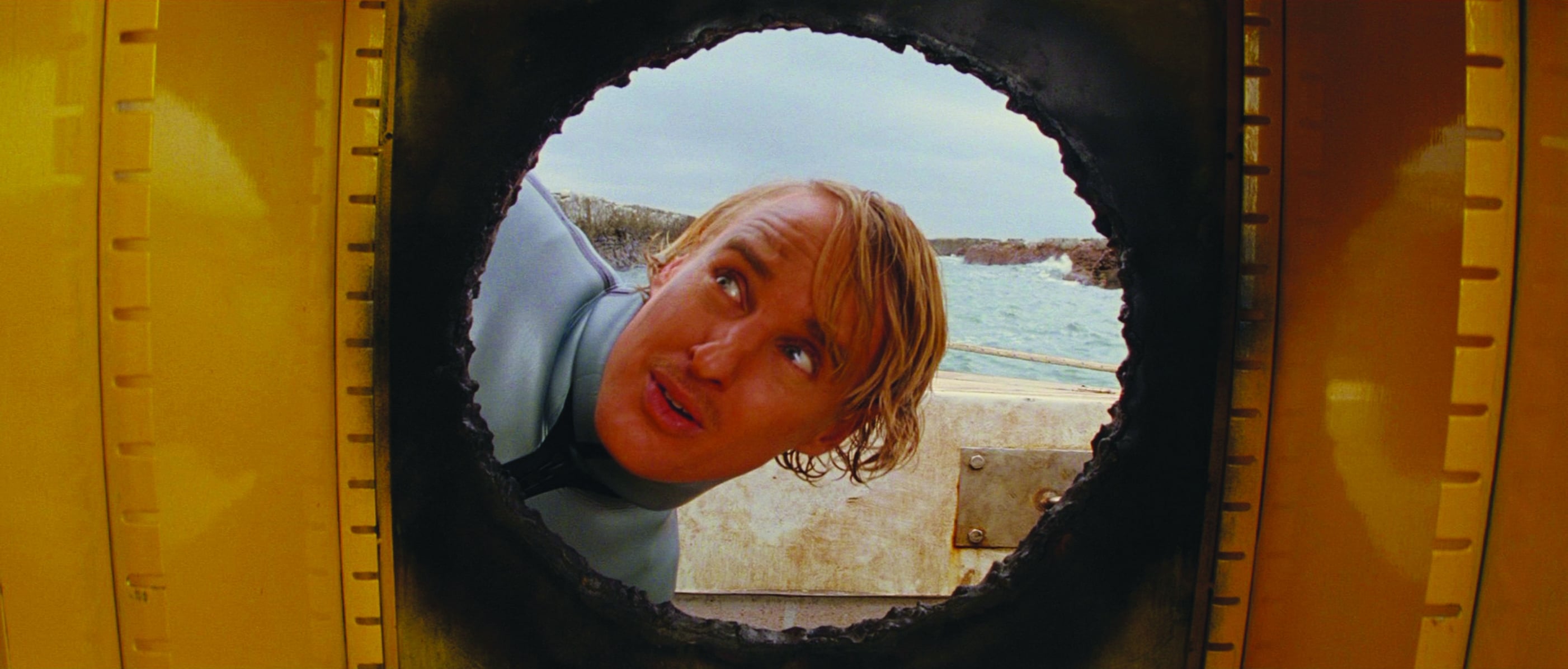
The cinematographer then ventured out to sea with Anderson for The Life Aquatic With Steve Zissou (AC Jan. ’05), the deadpan tale of an oceanographer (played by Murray) searching for an exotic shark that ate his partner. The filmmaking collaborators returned to terra firma for The Darjeeling Limited, traveling to northwest India to tell the story of three brothers (played by Owen Wilson, Adrien Brody and Schwartzman) searching for their reclusive mother (Huston).
In India, the filmmakers made a significant connection: key grip Sanjay Sami, whose ability to execute Anderson’s signature intricate dolly moves made him indispensable. Sami has since become a regular and important part of the team. “In India they don’t have access to all the equipment we have, so they have to find other solutions to pull off shots,” Yeoman says. “Sanjay’s got such a great attitude, and he will always find a homemade way of doing something. Wes appreciates that.”
After using animatics to design shots for the stop-motion feature Fantastic Mr. Fox (shot by Tristan Oliver, BSC; AC Dec. ’09), Anderson brought that technique onto his next collaboration with Yeoman, the Super 16mm period film Moonrise Kingdom. “They’re little cartoons of the entire movie,” Yeoman explains. “On set, we look at the animatic on a computer so we know what we’re going to do, and we stick to it carefully. The only issue is that the actors are sometimes required to do something only a cartoon character can — like quickly jump from somewhere to somewhere else — and then we have to make some accommodation.”
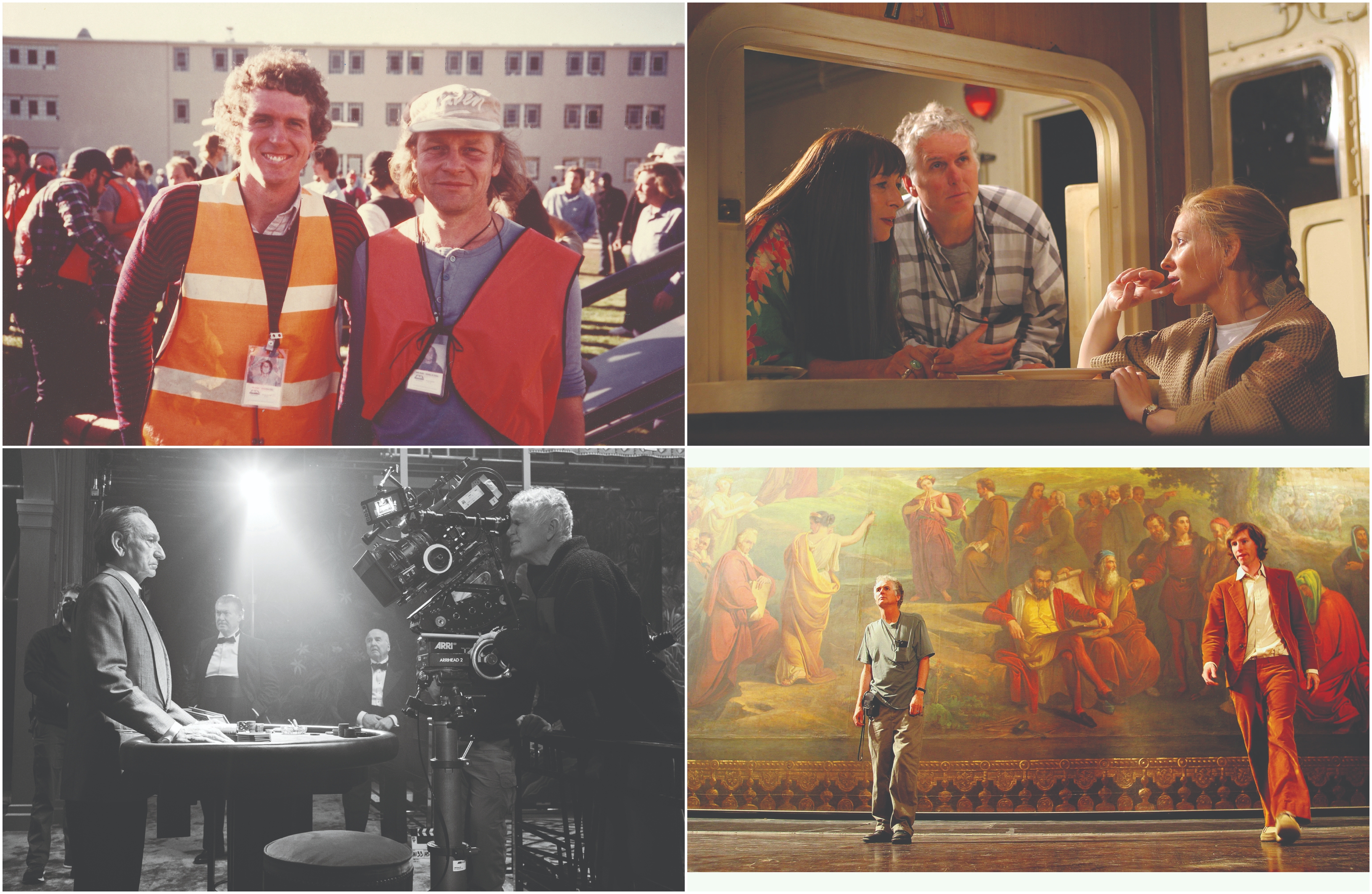
Working with Anderson is a lot of prep, he adds, and sometimes substantial testing is required. “With Wes, it’s all carefully blocked beforehand. His style is distinctive because he molds the whole thing. The art and costume departments, hair and makeup, and the cinematographer all bring their talents, but it must fit within this world he has in mind. If we can embellish or suggest something, he’s open, but he has a clear idea of what he wants.”
“It All Comes Together”
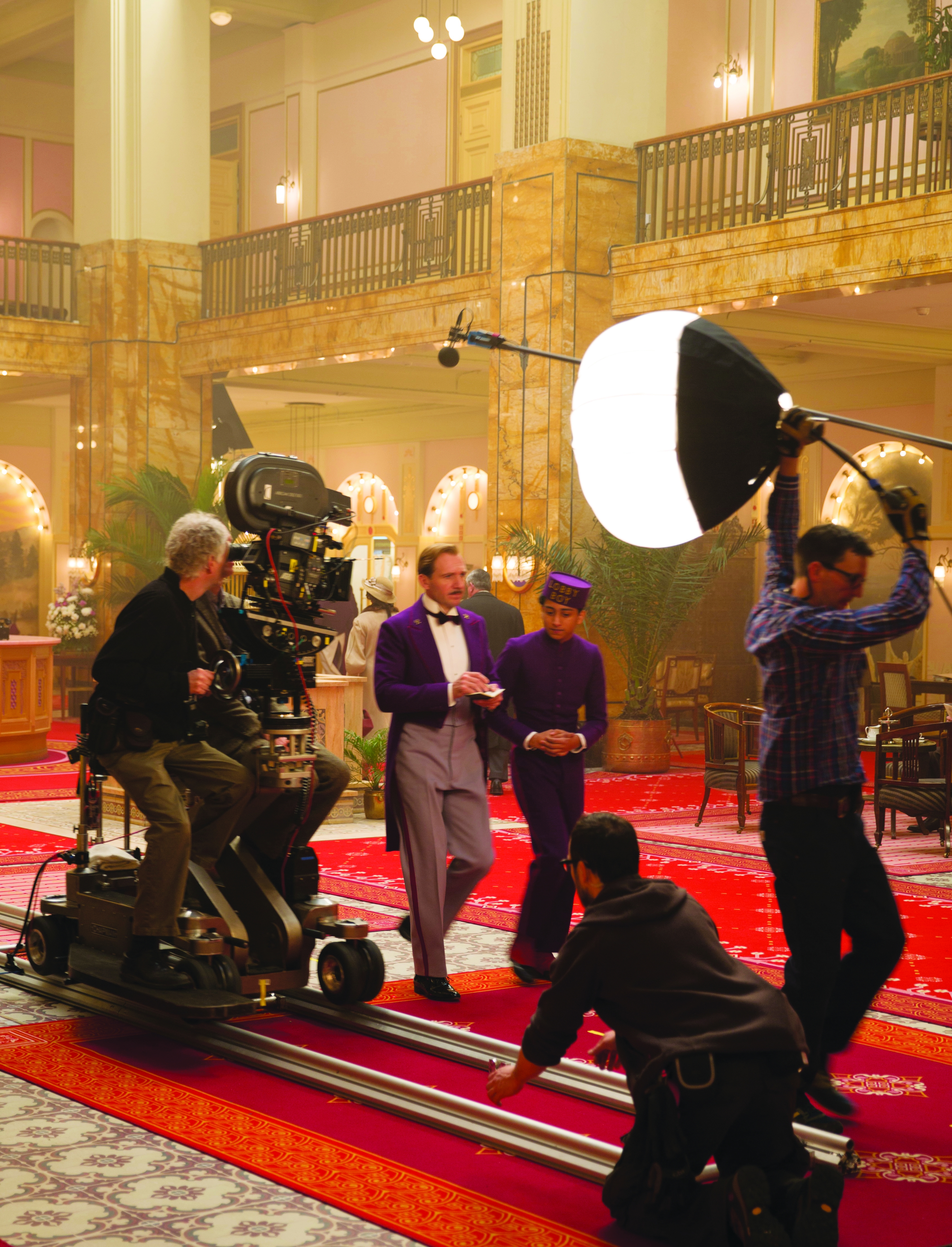
Of all his films with Anderson, Yeoman is proudest of The Grand Budapest Hotel, a baroque confection about a legendary concierge (played by Ralph Fiennes) that depicts events in 1985, 1968 and 1932, changing aspect ratios along the way. The film incorporates matte paintings, miniatures and stop-motion animation, and it brought Yeoman his first ASC and Academy Award nominations.
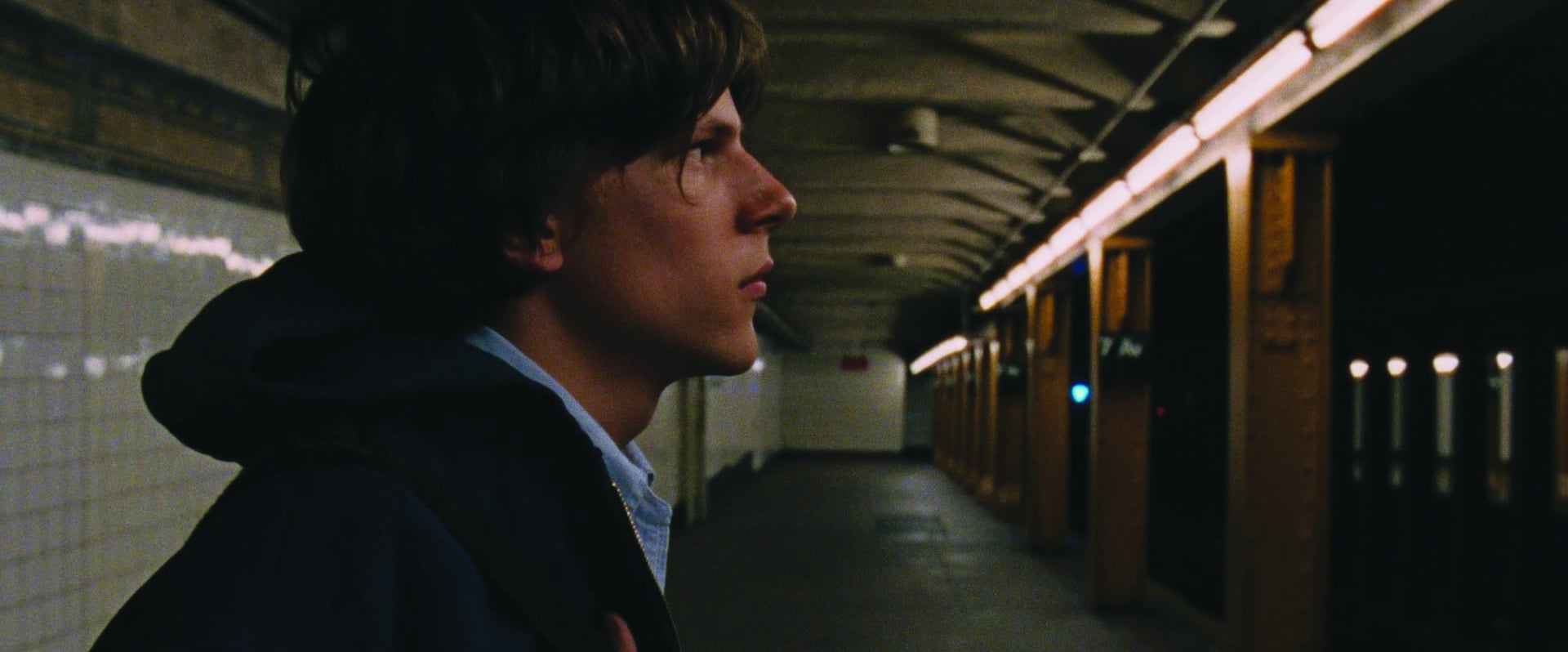
“It’s a film where it all comes together: the writing, acting, production design, cinematography, music,” Yeoman reflects. “It’s the film I received the most recognition from — not that that’s the most important thing, but many people responded to it very positively. As the years go by, it will probably hold up pretty well.”
After searching in vain for a European hotel that would grant them extensive access and total control, the filmmakers created the titular hotel within a shuttered Art Nouveau-style department store in Görlitz, Germany. “It was perfect,” Yeoman says. “The top floor was all production offices, and in the lower floors we could build whatever we wanted. The art department did an amazing job transforming the spaces with paint, set decoration and practical lights.”
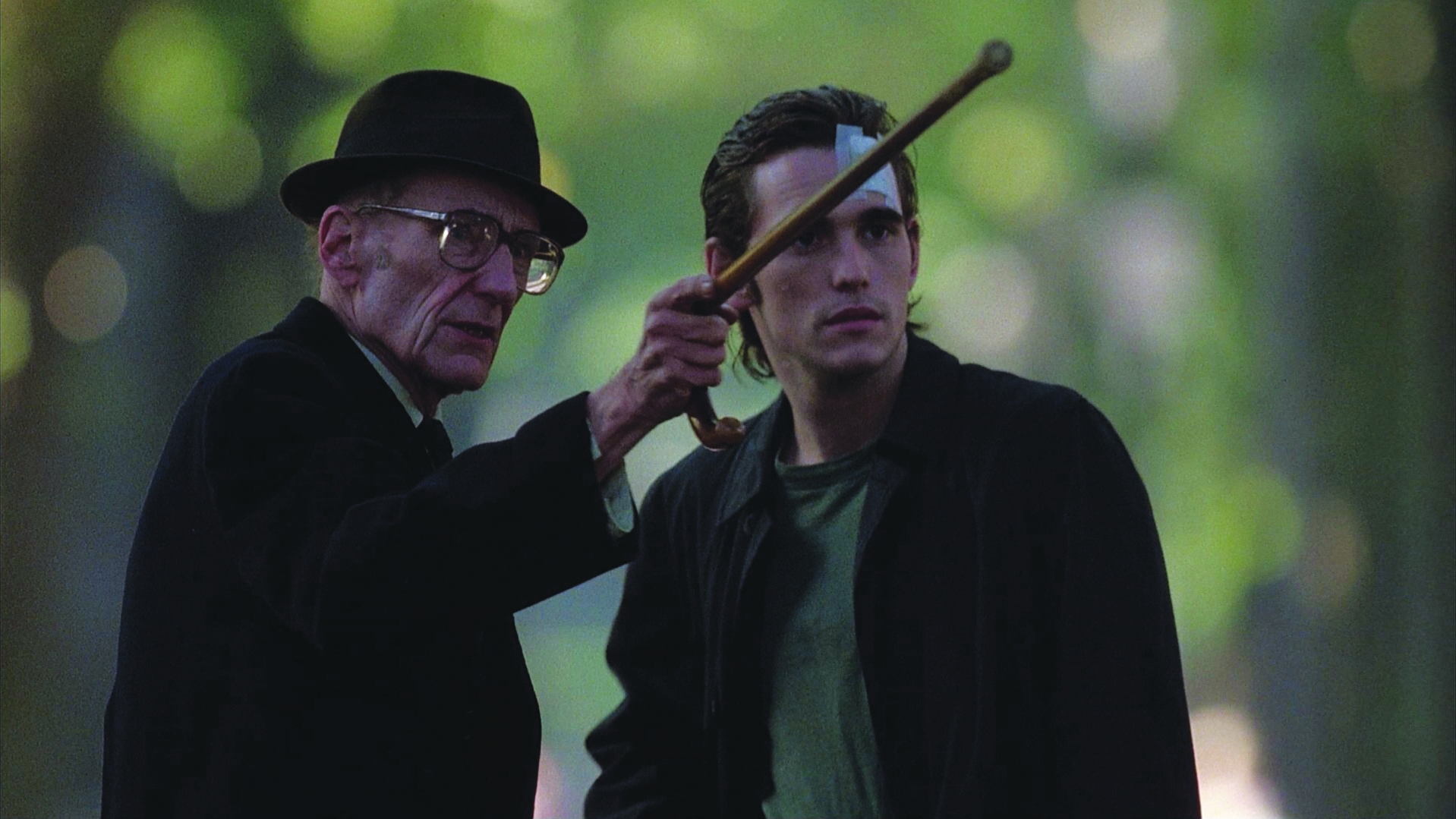
The roof featured a domed skylight, but the wintertime shoot meant the production lost the light around 3:30 p.m. “We covered the skylight with diffusion paper, and gaffer Helmut Prein and I had eight 6K HMIs on the roof directed down, filling the whole place with soft light,” recalls Yeoman. “We also had practicals throughout the set, and one big soft light on the floor that we would move around for the actors.”
Over the course of 10 films together, Anderson says, he and Yeoman have become “more adventurous with what we’re doing with the camera, what we’re doing in terms of lighting and grading, and even aspect ratios. Once we started to plan the shots with an animatic, we were able to build sets to the shots in the animatic, and we were able to more precisely prepare. So, we started making the movies faster and faster, trying to have a smaller team when we could.”
On their latest feature collaboration, Asteroid City, the director told Yeoman he didn’t want to use any movie lights in the town set they built in a Spanish desert. “I’m thinking, ‘How am I going to do this?’” the cinematographer recalls. “There were some interiors, and the summer sun in Spain is very hot. I thought if I exposed for the exterior when we were inside the diner, the actors were going to be very dark, and if I exposed for the actors, the exterior would be blown out.”
Yeoman turned to history for a solution, borrowing an idea from Thomas Edison’s Black Maria studio, which had a ceiling that could be opened to let in daylight. “Anytime we had an interior, we had panels we could take off the roof, and we covered the openings with full grid. With the skylight coming through, it was soft, even light everywhere. There were no movie lights, just a camera and a dolly. I know Wes was thrilled!”
Controlling the Frame
Yeoman often does his own operating. It’s how he started, as his earliest projects were non-union and couldn’t afford both an operator and a cinematographer. “I have always loved operating, particularly back when everything was film and there were no video taps. The operator controlled the frame and composition. There was a thrill knowing you were the only one who really knew exactly what was happening in the frame. I like being right there with the camera and the actors. I love the adrenaline.”
One of Yeoman’s early music-video credits was The Talking Heads’ “Road to Nowhere,” which was shot by several cinematographers in various places at various times. He recalls, “I was a big fan of the band, and I remember looking through the camera — it was 16mm — filming a close-up of David Byrne singing, and thinking, ‘Wow, I can’t believe I am seeing this!’ It was a moment of revelation for me.”
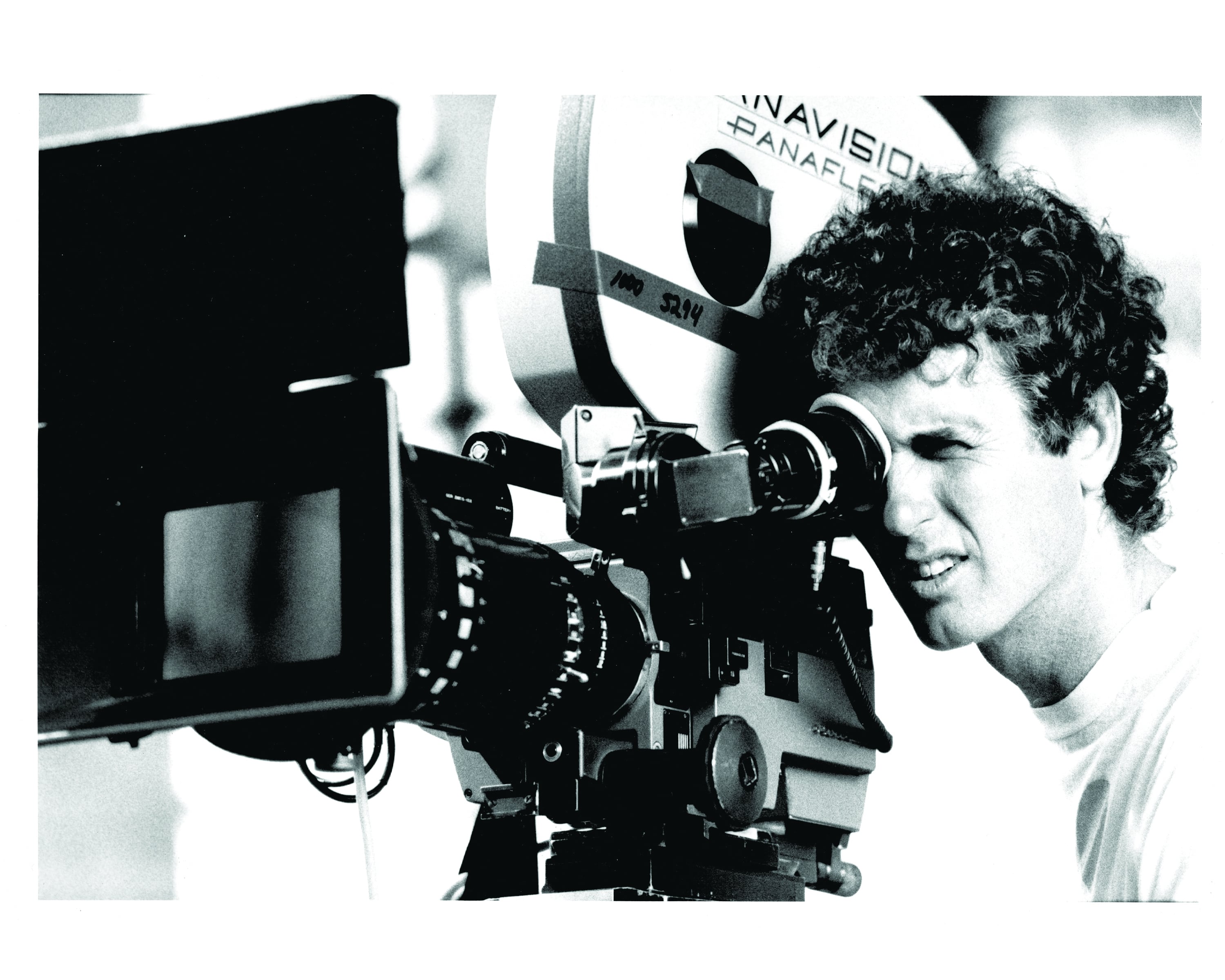
Anderson says that during production of The Royal Tenenbaums, “I came to realize that Bob was not only a good camera operator, but a great and special operator. We had an experience where a [full-time] operator was there, and they couldn’t do the shot — only Bob could. He was always fearless. He’s strong, and he has that documentarian [instinct] when he’s doing handheld. Nobody can nail a fast pan the way Bob can. I’ve seen him wind himself up in a crazy position based on how he’s going to end up later in the shot. He operates like he’s playing chess.”
Bridesmaids and Beyond
Yeoman was willing to forgo operating in his work with Feig, which began with Bridesmaids. Feig notes, “I always want a cinematographer who will cross-shoot, because to me, that’s the key to so much success in comedy. So, my first question to Bob was, ‘Will you cross-shoot?’ and he said, ‘Yes, that’s okay.’ I encouraged him to operate, but he wanted to watch both monitors.
“I met with Bob about Bridesmaids after my friends [director/producer] Nick Stoller and [producer] Judd Apatow told me how great he was on Get Him to the Greek,” Feig continues. “We met for coffee, and we hit it off. Obviously, his work speaks for itself. The fact that he shot all of Wes’ movies gave him such cred. I hate when comedy is all bright and overlit; I want to try to make it feel cinematic … and Bob was into all that.”
Bridesmaids was a blockbuster hit, and Feig and Yeoman went on to collaborate on The Heat, Spy and Ghostbusters (2016). Of these women-centered stories, Yeoman says, “I feel an obligation to make women look their best with the lighting and compositions. Their faces are going up on a big screen, and I tend to light them less dramatically.”
The comedic James Bond homage Spy was particularly rich in its visual potential. It follows a deskbound CIA employee (Melissa McCarthy) who’s thrust into the world of international crime. “When you do [a comedy like Spy,] people call it a spoof — apparently they think less goes into it than a drama,” Feig says. “But more goes into it, because we’re chasing something so specific and trying to make it look effortless and not ‘sweaty,’ as we say in the comedy business. I’m proud of Spy because I wanted to shoot a James Bond movie, just with a different character.”
Noting with approval that Feig “really pushed the look” of the movie, Yeoman cites a scene in which McCarthy, undercover in Italy, enters a hotel room and sits on the bed, unaware that a rival agent (Jason Statham) is waiting in the shadows. “We lit it, and then Paul said, ‘Make it darker,’” he recalls. “So, we dropped some doubles in the lights, and he said, ‘Let’s make it even darker!’ That was the first movie we shot digitally, and one of the beauties of digital is you see pretty much what you’re going to get.”
“It was fun doing that transition to digital with Bob,” says Feig. “I like the on-set control we have, but I know Bob was sad that with digital, you don’t watch dailies as a group anymore because everybody’s already seen it. He missed the lunchtime dailies viewings we did on Bridesmaids and The Heat, which were fun.”
The spontaneity Feig cultivates on set poses a stark contrast to Anderson’s formal rigor and methodical preparation, and Feig finds Yeoman’s ability to embrace and elevate both approaches impressive. “How he works with Wes is so different from the way I work. [With the animatic,] they’ve shot the movie before they even go out and shoot it, and I’m very ‘in the moment.’ I don’t arrive with storyboards or shot lists or anything. I used to, but it just became so inflexible, and I wasn’t able to ride the wave of these funny, talented, creative people that I put in front of the camera. And Bob was cool about going that way. I love how he’s able to adapt to either way and finds value in both.”
Return to Roots
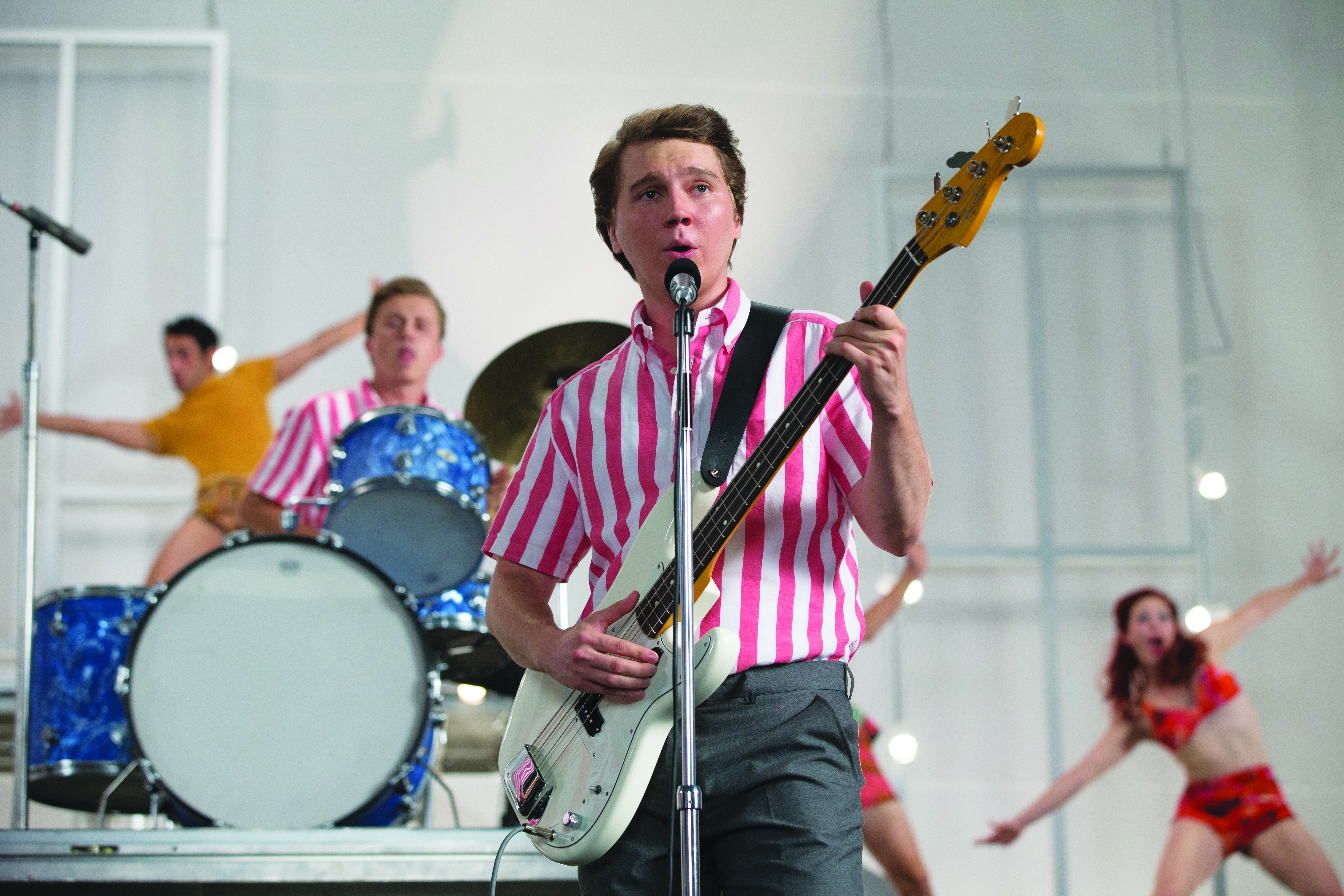
Throughout his career, Yeoman has often returned to his indie roots, perhaps most notably with Love & Mercy, directed by Bill Pohlad. The film tells the story of Beach Boys mastermind Brian Wilson, who is portrayed at different points in his life by Paul Dano and John Cusack. “I wanted to shoot the Dano sequences on 16mm because it was the ’60s, but the producers were not keen,” Yeoman recalls. “So, I shot some tests and showed them to Bill Pohlad, and he jumped right in. If you want to shoot on film, getting the director on your side really helps. It’s the same with Wes; when he says we’re shooting on film, then we’re shooting on film.”
In the early days of the DI, Yeoman initially advocated for a digital finish on Noah Baumbach’s The Squid and the Whale, which Anderson produced and Yeoman shot on 16mm. The cinematographer recalls, “I thought if something was less than perfect, I could go fix it in the DI, but Noah said, ‘I want a film finish. You’re going to go in and make it look perfect, and I don’t want it to look perfect.’ And when I saw the release print of the film finish, I knew he was right.”
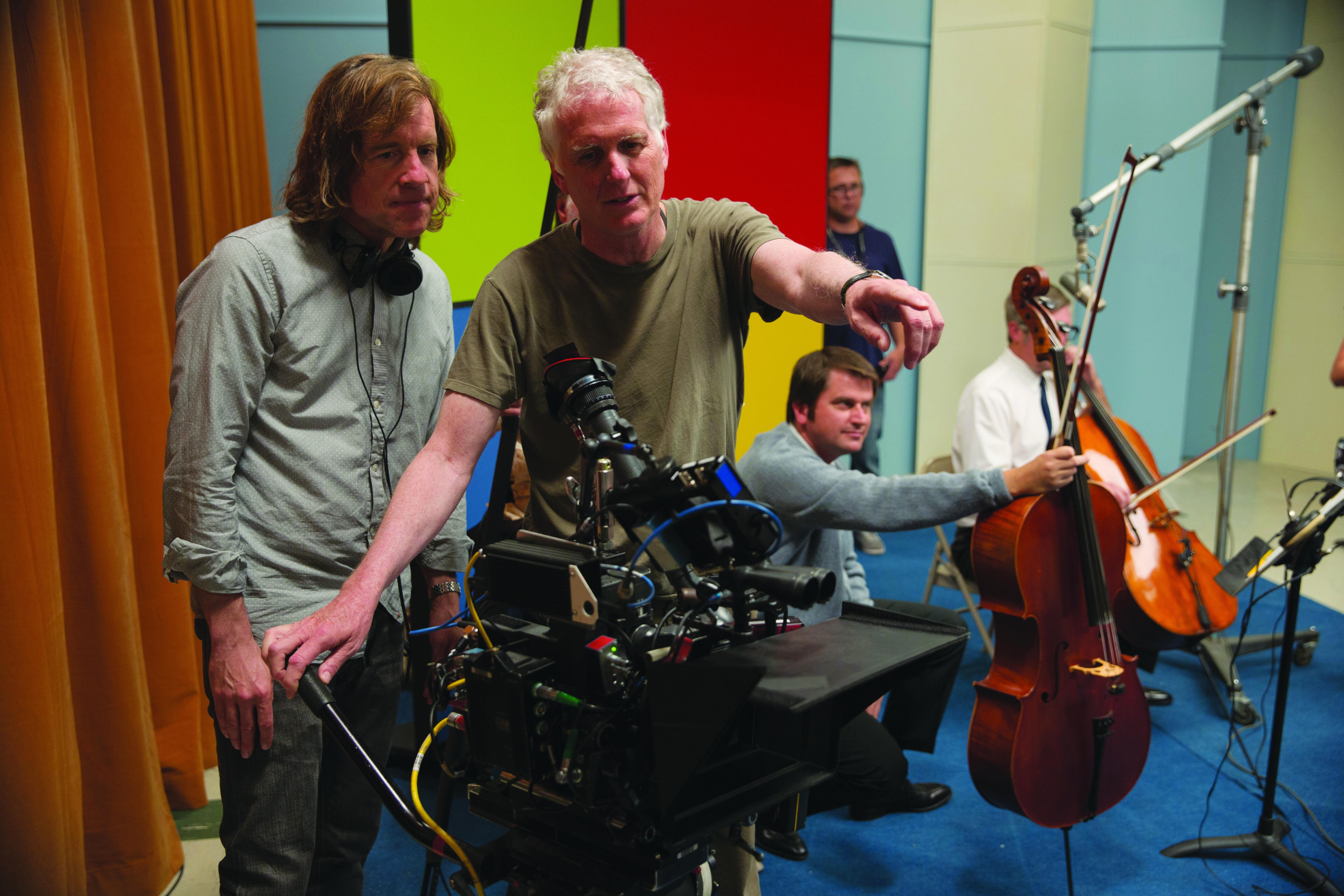
Yeoman became an ASC member in 2001 after his name was put forward by John Schwartzman, ASC; Michael Chapman, ASC; and Janusz Kaminski.
Lately, he has preferred staying close to home and shooting commercials. “My 15-year-old son, Finn, is a high-level soccer player, and he always has practices, games on the weekends, and tournaments,” he explains. “That was my main motivation to be around: to be with him while he’s going through all this, because I missed his previous seasons while I was away shooting.”
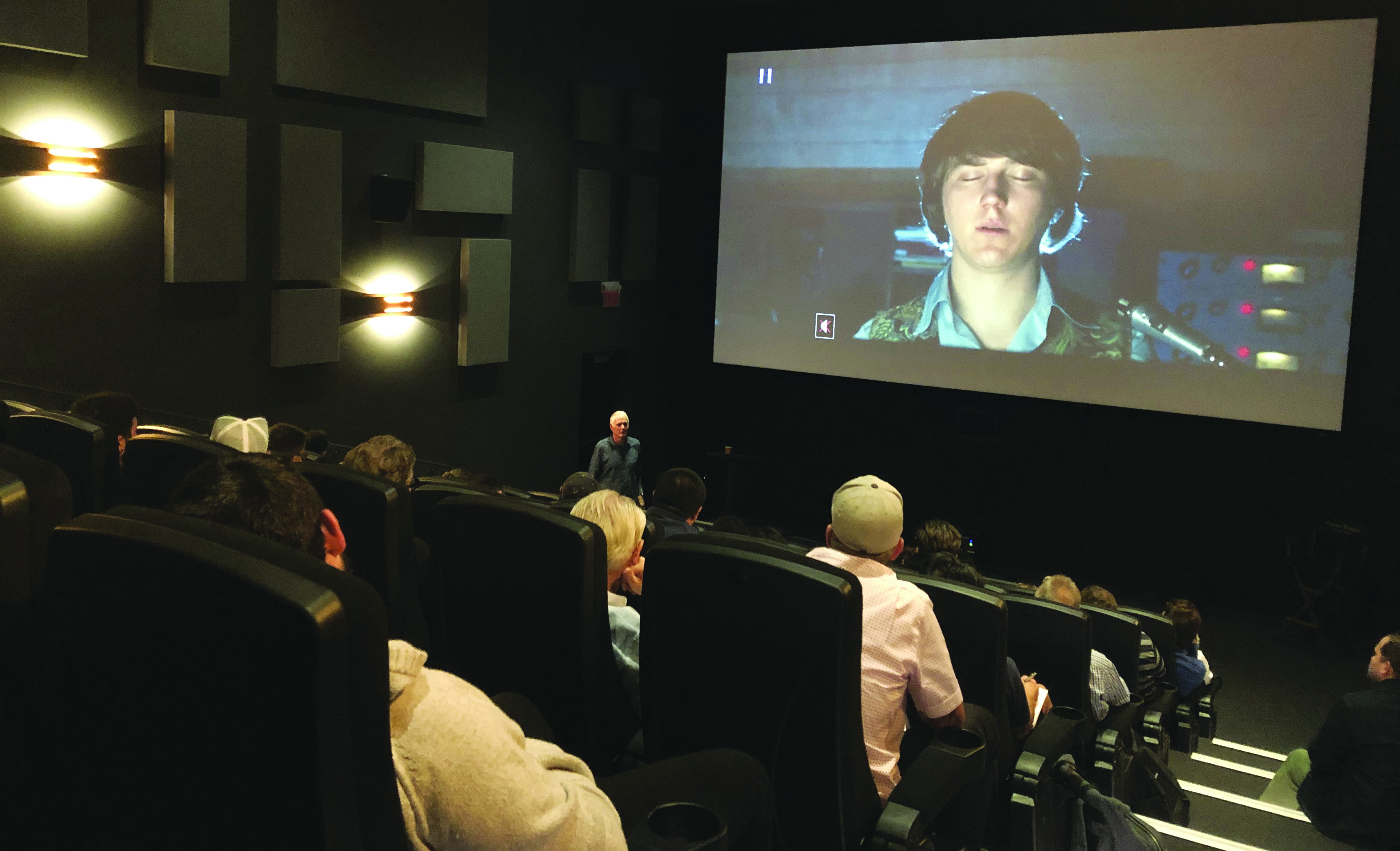
Yeoman has also used the opportunity to take up teaching, volunteering as an instructor for the ASC Master Class and teaching advanced cinematography at USC. He’ll still shoot a feature when he can make it work; he recently took a semester off to shoot the romantic comedy Office Romance, his second film with director Ol Parker following Mamma Mia! Here We Go Again.
For Feig, the ASC’s decision to recognize Yeoman for a distinguished career is particularly noteworthy — and gratifying. “I love that Bob’s getting recognized by his peers, since he’s a guy who does a lot of comedy. Those of us in comedy don’t tend to get many of these honors. I’m thrilled for him.”