Stephen Pizzello and the “Greatest Job Ever”
The ASC salutes its magazine’s longtime editor with an Award of Distinction.
This article will appear in American Cinematographer's March 2026 issue. For full access to our archive, which includes more than 105 years of essential motion-picture production coverage, become a subscriber today.
When American Cinematographer Editor-in-Chief Stephen Pizzello was asked by Michael Redman to discuss his career for the author’s 2018 book The Best Jobs in the Film Industry: Straight Talk From Successful Film Pros, he was initially surprised but realized, upon reflection, that “for a movie nerd, this really is the greatest job ever.”
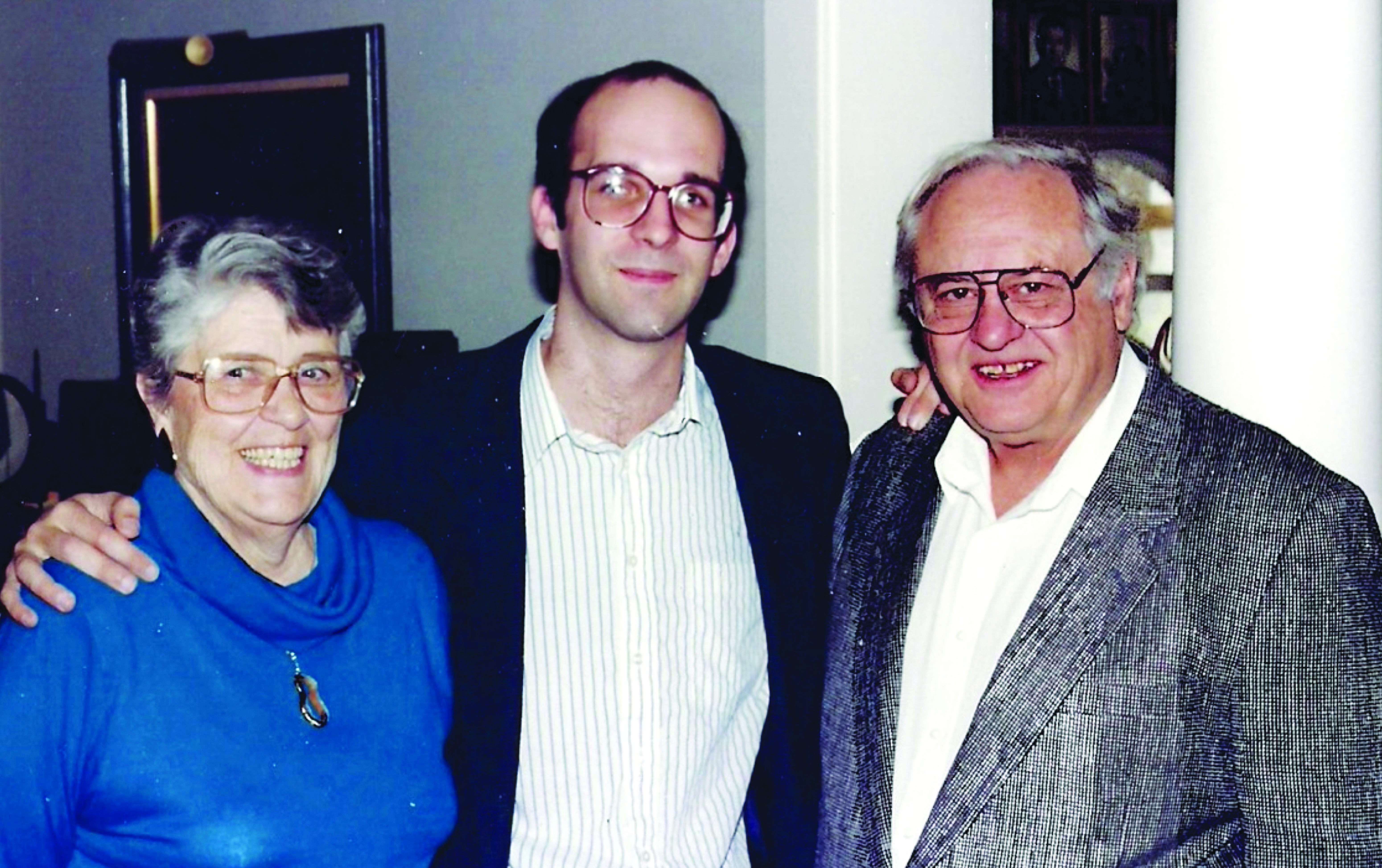
A lifelong cineaste, Pizzello has held leadership roles at AC for more than three decades, starting in 1991 as an assistant editor under editor George Turner and his wife, Jean, the associate editor. David Heuring was also part of the team as managing editor, and when the Turners retired the following year, Heuring moved up and Pizzello became associate editor. Heuring turned the reins over to Pizzello in 1995.
During Pizzello’s tenure, the publication has won multiple Eddie Awards for editorial excellence from Folio:, the publishing industry’s magazine of record; many Maggie Awards for editorial and design excellence from the Western Publishing Association; and special recognition from Imago for its contributions to the field. In 2017, the International Cinematographers Guild and Technicolor honored Pizzello with the William A. Fraker Award for outstanding journalistic contributions to the art and craft of cinematography.
At the ASC Awards on March 8, he will accept his latest commendation, an ASC Award of Distinction, “for editorial innovation and influence.” The award has previously been presented just twice, to film critic and historian Leonard Maltin in 2005 and to renowned documentarian Frederick Wiseman in 2006.
ASC President Mandy Walker says, “I am beyond excited that Stephen Pizzello is being recognized for his longstanding, incredible work as editor of American Cinematographer. He has made this magazine the most important publication for research and history on the work cinematographers do — the art they create, their innovative technical achievements, and their collaborations with other departments, especially directors. When I was starting out as a loader in Australia, there was always a coveted copy of the magazine making its way around the camera department. We’d discuss what we’d learned and gleaned from the heroes of cinema about their methods and approaches to shooting a script and story.”
She adds, “Stephen has always championed up-and-coming cinematographers, celebrated their work, and sought out talent from all over the world to be included in the magazine. I first met him in 2001 when he interviewed me about the feature Lantana — visiting him in the Clubhouse parking lot, where he was working from a temporary office in a trailer while the property was being renovated! This year I’ve had the pleasure of collaborating with him as ASC president, and I’ll be personally presenting him with this well-deserved honor.”
Humbled by the Society’s recognition, Pizzello sees the award as “a collective achievement, reflecting the great work of everyone I’ve teamed with on the magazine,” now in its 107th year. He adds, “You can’t create a magazine like this in a silo, and I’ve had a lot of outstanding collaborators over the years. I can’t write every article, and I can’t do the editing and fact-checking all on my own, but I can motivate people to be as excited about the magazine as I am, and to do their best work.”
The Road to Hollywood
It was a love of movies and a talent for writing that set Pizzello on his career path. A native of Salem, Massachusetts, he earned a bachelor’s degree in broadcasting and film at Boston University, where he also took journalism courses and edited the film section of The Muse, a weekly arts-and-entertainment supplement to the campus newspaper, The Daily Free Press. During his undergrad years, he also worked as a summer intern for his hometown paper, The Salem Evening News, “covering topics like deer-tick infestations up the coast in Ipswich.”
Things livened up when Hollywood’s production of The Witches of Eastwick, directed by George Miller and shot by Vilmos Zsigmond, ASC, rolled into town while Pizzello was covering for the paper’s regular Ipswich beat reporter, who had gone on vacation. “It was a lucky break for me,” he recalls, “because I was able to hang around the set and observe the production, and my coverage became a front-page story.”
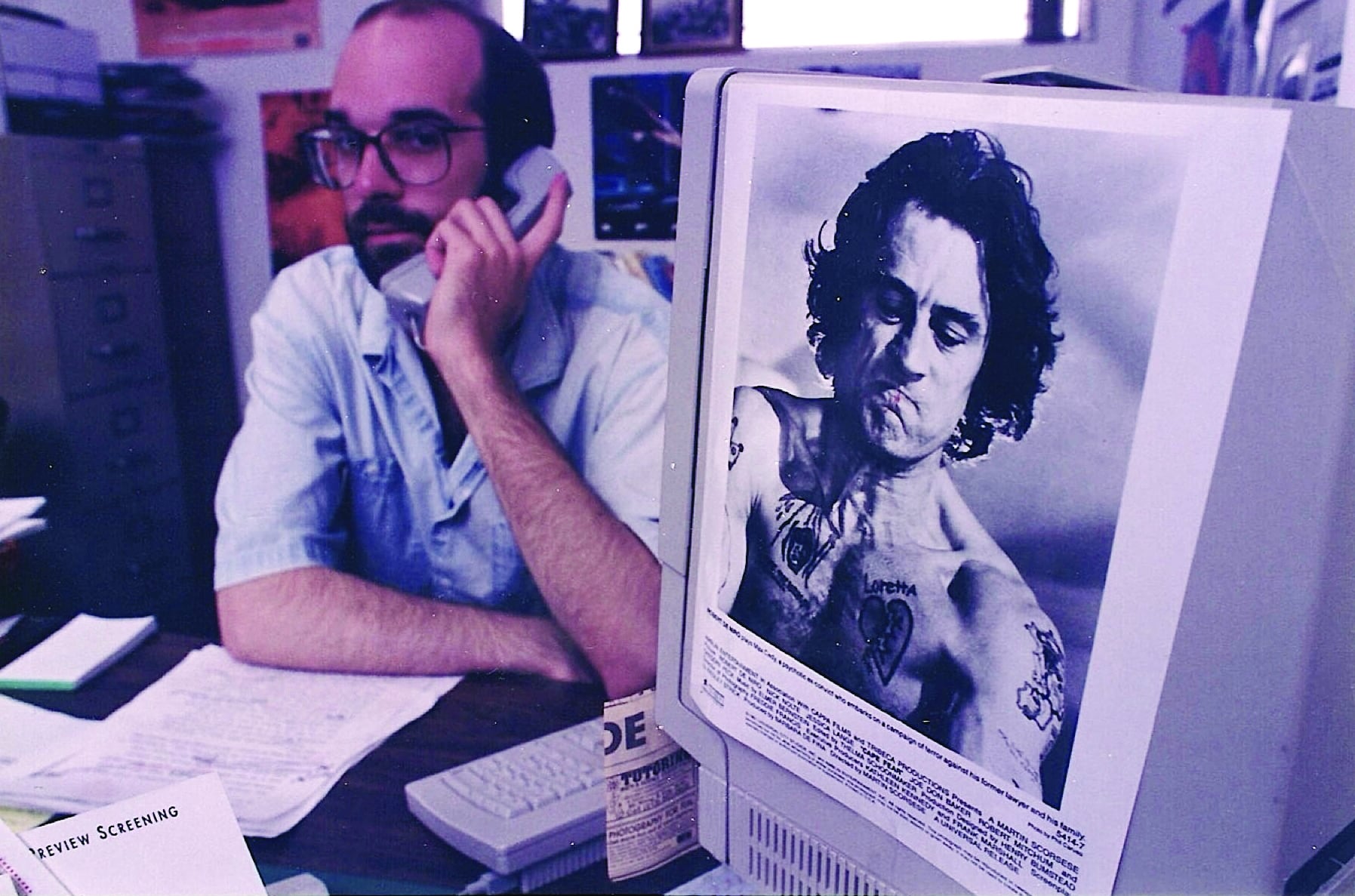
A few years later, after relocating to Los Angeles and toiling briefly as an agent’s assistant at Creative Artists Agency, Pizzello heard about an opening in American Cinematographer’s editorial department from a friend who was working as the ASC’s receptionist. “Some may think I was crazy to leave CAA during the height of the Mike Ovitz years, but looking back on that experience, I felt like [fictional agent] Ari Gold’s beleaguered assistant, Lloyd, on the show Entourage. It was not the path for me.”
His front-page piece for the Salem News became one of the writing samples he showed to the Turners during his meeting with them. “Jean was trying to be professional and conduct an actual job interview, but much to her irritation, George and I kept going off on tangents about movies we loved. His favorite was King Kong, but we were blabbering on about many others as well. After maybe 20 minutes of movie-freak chatter, I sensed I was probably going to be hired. The Turners were great people, and I’ll always remember them fondly.”
A Firsthand Education
The first ASC member Pizzello met on the job after joining the magazine’s staff was Stanley Cortez (The Magnificent Ambersons, The Night of the Hunter), a legendary cinematographer infamous for his irascible personality. “I was standing in the lobby of the magazine’s offices when Stanley strolled in with an imperious aura, looking dapper in a suit jacket, cravat and slacks. He looked me up and down, pointed his cane at my shoes and demanded, ‘Young man, what are those things on your feet?’ I looked down and replied, ‘Uhh … sneakers, Mr. Cortez.’ He shot back, ‘You look like Spielberg!’ To which I quickly countered, ‘Well, that’s not such a bad thing in this town, right?’ Stanley gave me a withering look that could smelt iron ore, but I thought I detected the hint of a smile at the corner of his upturned lip. From then on, I realized that his gruff exterior was a bit performative, and that he relished verbal sparring. If you backed down, he would eat you for lunch.”
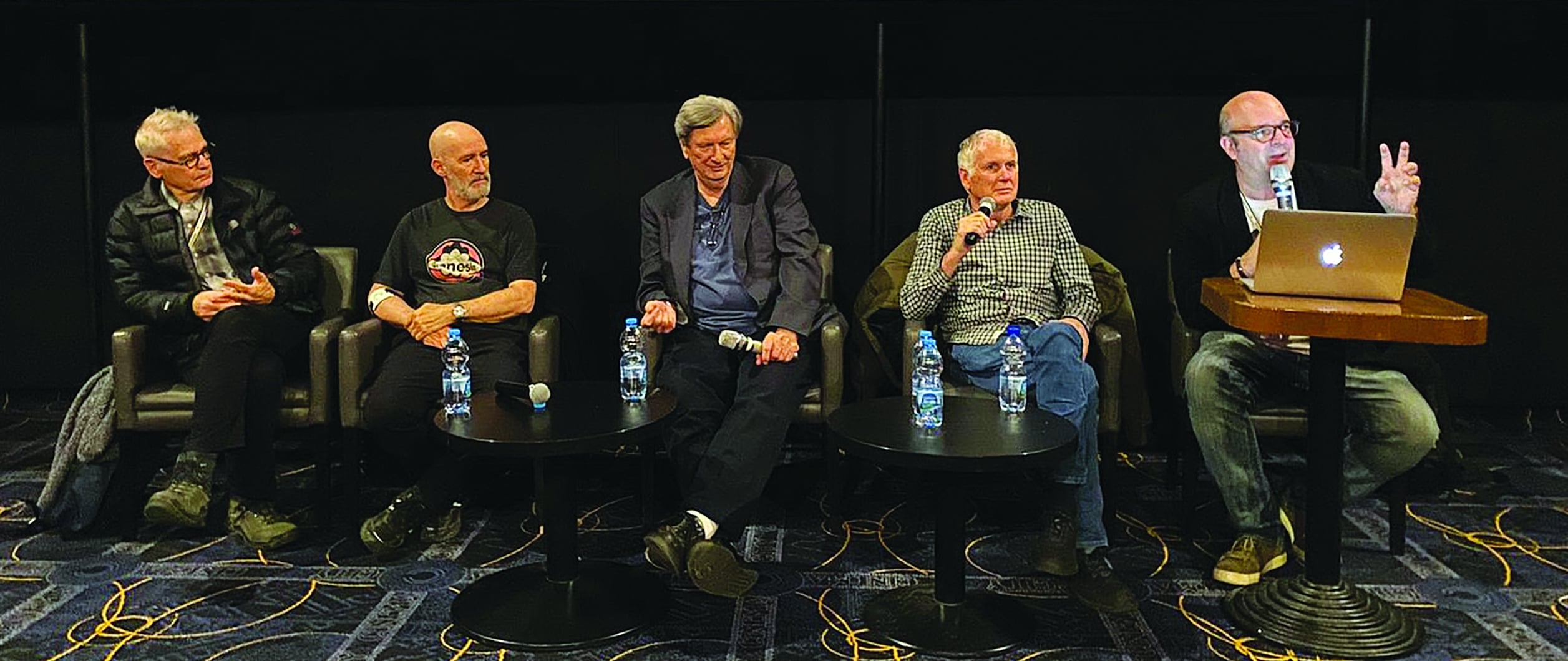
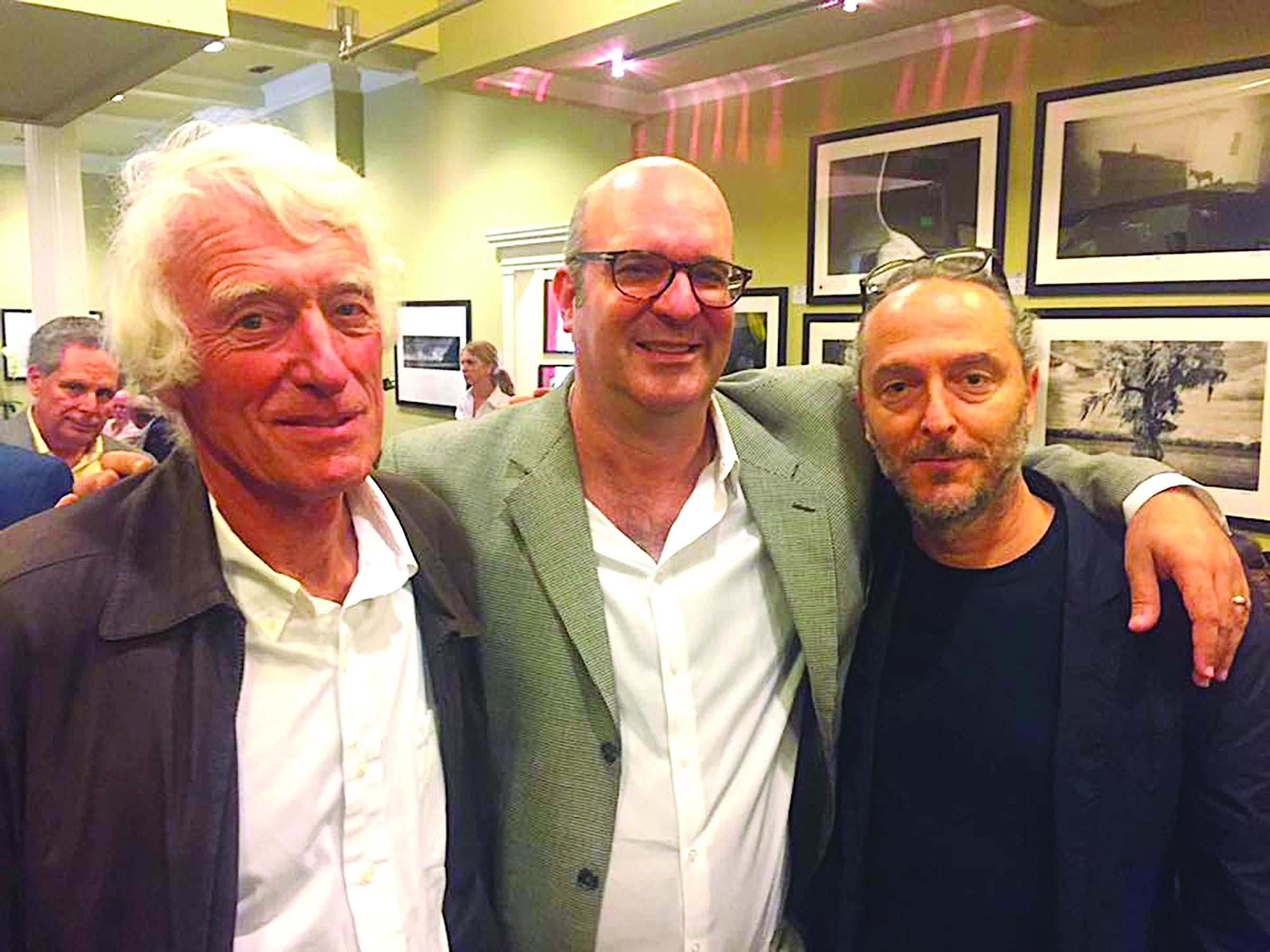
One of the first professional productions Pizzello visited for AC was Point of No Return, shot by Michael Watkins, ASC. His account of that set visit, and everything he gleaned from Watkins, was published in March 1993. He recalls, “Michael was talking about using a certain kind of green filter to make the red bricks on a background wall ‘pop.’ I soon realized that the cinematographers I met were talking about things I hadn’t even heard of in school, so I just asked a lot of questions. I wasn’t afraid of seeming dumb. I wanted to have it all explained to me, and I tried to bring that sense of enthusiasm and discovery to the articles I was writing. I wanted readers to feel as excited as I was to get onto those sets.”
Pizzello's Picks: The Editor Shares Some Personal Favorites of the AC Articles He's Penned
Reservoir Dogs (shot by Andrzej Sekuła, AC Nov. ’92)
Natural Born Killers (Robert Richardson, ASC; Nov. ’94)
Casino (Robert Richardson, ASC; Nov. ’95)
Fear and Loathing in Las Vegas (Nicola Pecorini, May ’98)
The Thin Red Line (John Toll, ASC; Feb. ’99)
Sleepy Hollow (Emmanuel Lubezki, ASC, AMC; Dec. ’99)
Batman Begins (Wally Pfister, ASC; June ’05)
There Will Be Blood (Robert Elswit, ASC, Jan. ’08)
El Conde (Ed Lachman, Nov. ’23)
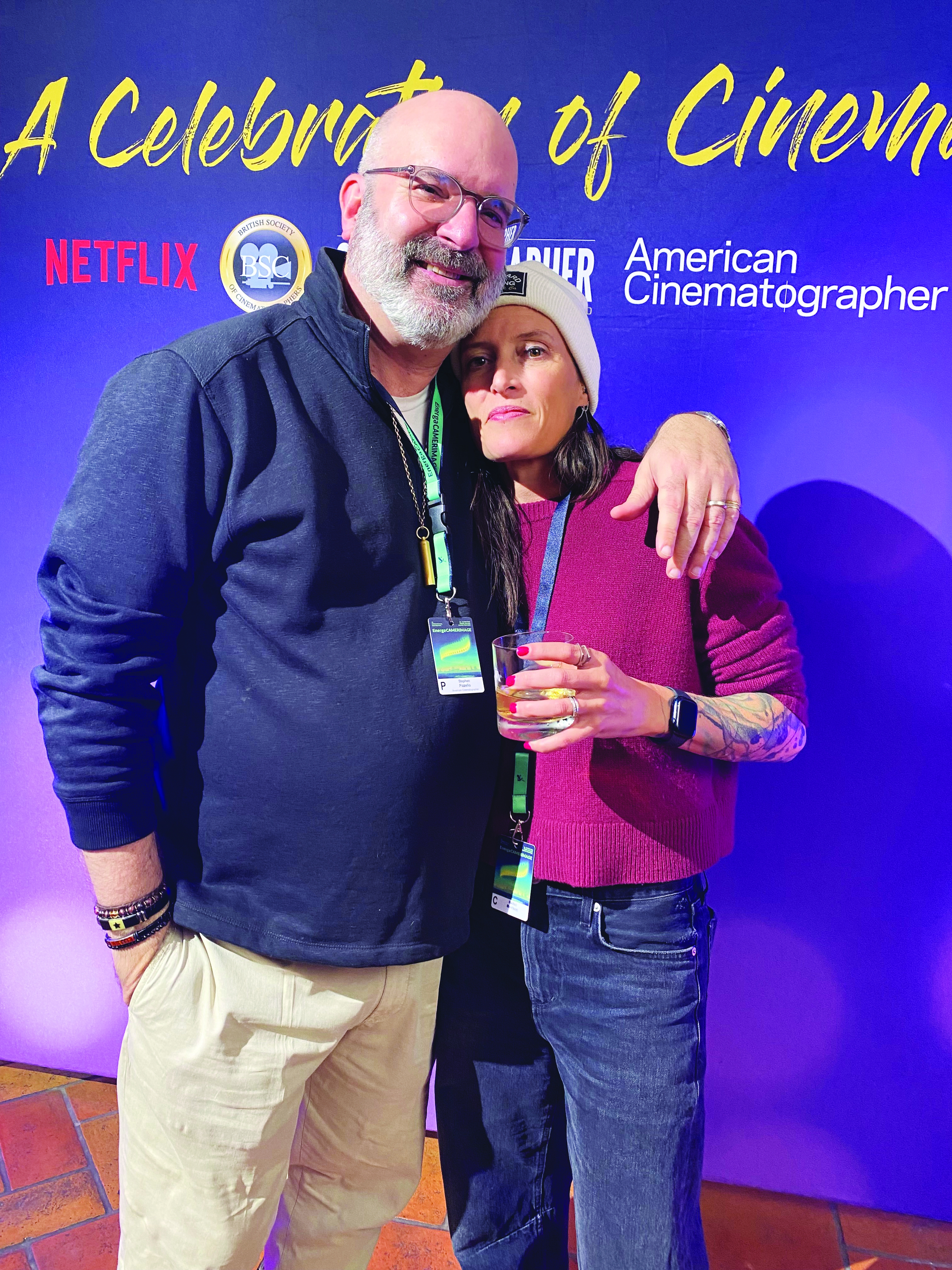
The Turners recognized Pizzello’s gift for putting readers amid the action. “I’ve always been a fan of colorful journalists who can make their writing come to life — Hunter S. Thompson is probably the top influence on my sensibility,” he notes. “He was a great reporter, but he also wrote in a very entertaining way while inserting himself as a character in the stories he covered. While I don’t do that in my articles for AC, Thompson’s style taught me that you don’t have to stick to traditional formats; you can create your own approach to engage the reader. I’d also read a lot of ‘straight’ reporting by more traditional journalists, but the writers who did it with flair, like Thompson, Truman Capote and Tom Wolfe, always brought me right into the story, in a very vivid way.”
Seeking Out Scorsese
Another memorable early assignment found Pizzello visiting the set of Martin Scorsese’s The Age of Innocence, shot by Michael Ballhaus, ASC, BVK (AC Oct. ’93). Pizzello was already a fan of both filmmakers — he has granular knowledge of Scorsese’s career and Ballhaus’ work with German director Rainer Werner Fassbinder — and at the time, AC had not covered much of Scorsese’s work. He reasoned that if the magazine forged a relationship with one of the industry’s most revered directors, “others might follow and speak with us more frequently and in greater depth.”
He tapped a friendly connection, PR consultant Chuck Warn, to gain entry to the VIP “green room” at an event in Beverly Hills, where Scorsese was appearing with his friend George Lucas and a pair of U.S. senators to promote film preservation. Pizzello recalls, “When I walked into the room, Lucas was in one corner, pacing around in small circles, while the two politicians were off in their own corners with their hands behind their backs, just staring at the ceiling. None of them were engaging with each other, which seemed very odd to me; I’m guessing the politicians were a bit intimidated by Lucas. Finally, Scorsese came in, buzzing with positive energy. When I told him why I was there, he encouraged me to visit his sets at Silvercup Studios in New York.”
The ensuing experience was instructive in many ways. “Some sets are like a party, but this was like attending High Mass at a Roman Catholic church — everybody was very quiet. I remember being about 200 yards away from camera talking to an extra, and when I asked her why she was whispering, she said, ‘I don’t want to break the concentration.’”
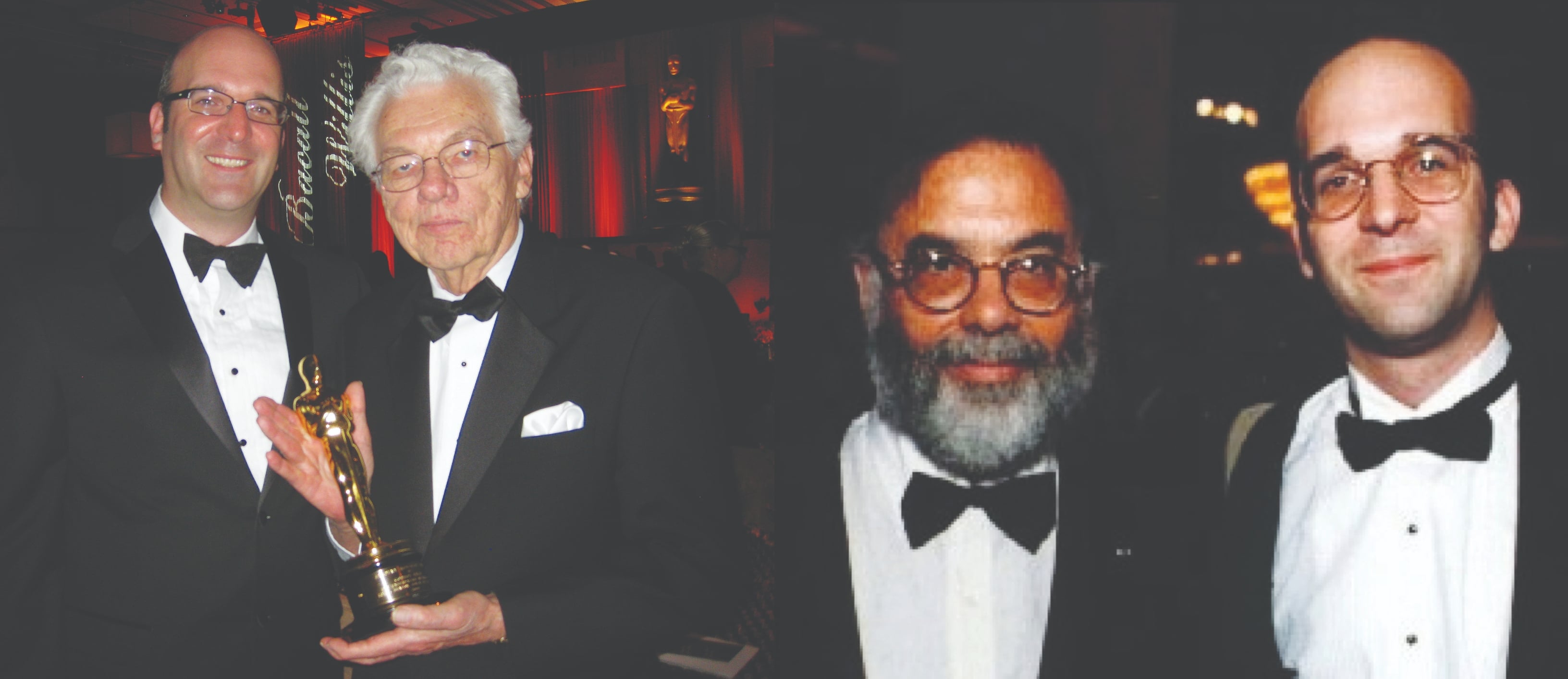
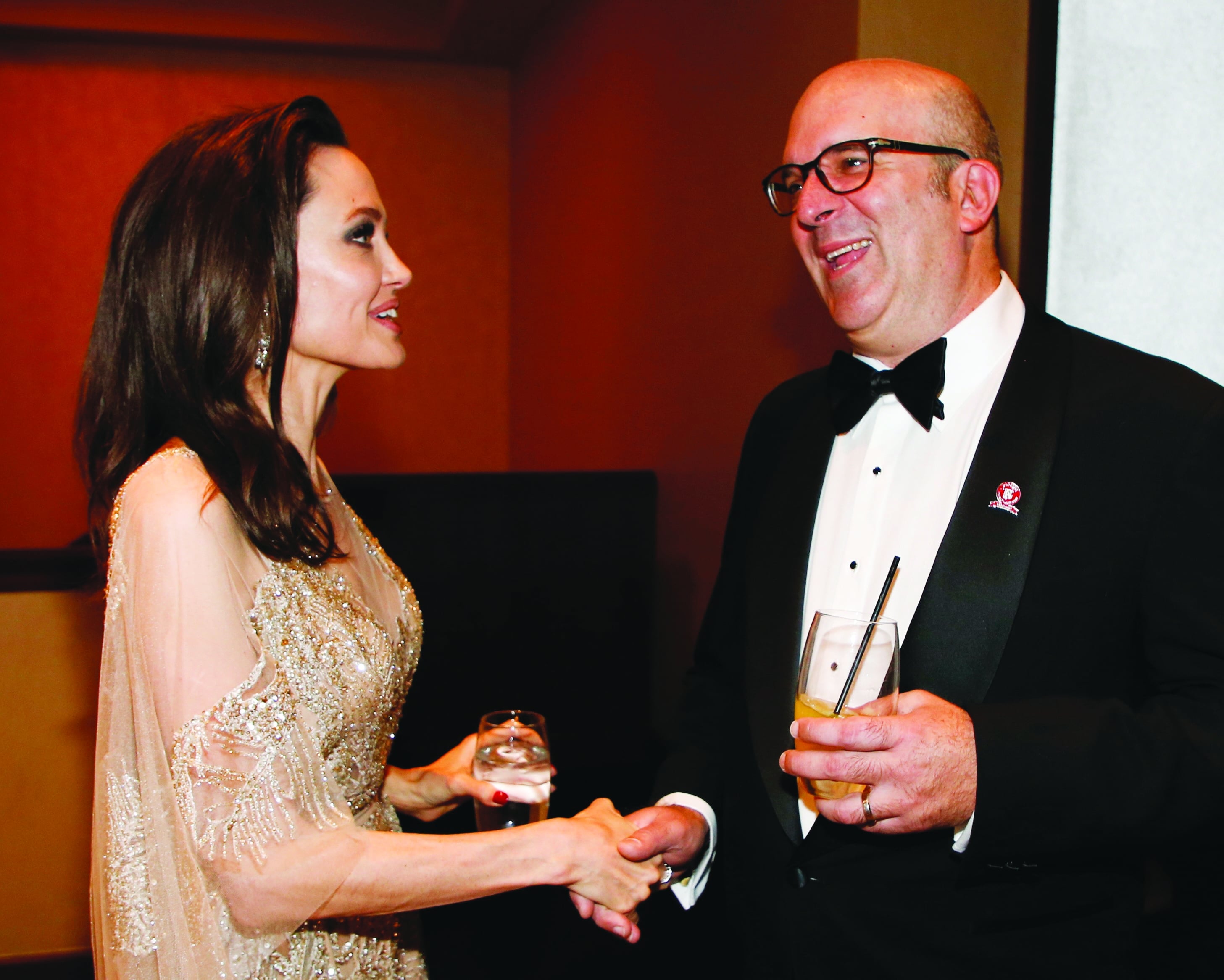
His front-row seat offered a view of a creative process whose subtleties could only be gleaned from on-site observation. During the filming of a ballroom scene that features one of Ballhaus’ trademark circular dolly moves, “I was standing by the monitor and noticed that Scorsese had decorated it with old photos of Frank Sinatra, the Rat Pack and stills from various movies. He had his personal inspirations right there in front of him, probably for both comfort and motivation.”
There were humorous, if not surreal, moments as well. “At one point, I found myself chatting with Scorsese’s parents, who bickered back and forth while sharing the ingredients for their homemade pasta sauce. Pure heaven for someone like me, who normally soaked up every detail of the family’s history through cinephile books.
“Then, during a lunch break, I went down the street to buy a meatball sub. Back at Silvercup, I was sitting on the steps outside the stages when, maybe 10 feet in front of me, the door to a trailer opened, and Daniel Day-Lewis appeared, in full costume. I didn’t say anything, because I had half a sub in my mouth. He proceeded to sit down on the steps of his trailer, clasp his fingers under his chin, and stare at me for a full minute, in strange and silent contemplation, before he got up and walked away. I keep waiting for him to star in a movie where he eats a meatball sub so I can claim credit for his authenticity.”
Behind the Curtain
Pizzello believes journalists who are granted such privileged access have a duty to dig for enlightening details and make readers feel like they’re in the room. “This magazine is supposed to take you behind the scenes,” he says. “I’m very gung-ho about that.” He also feels duty-bound to honor filmmakers and their processes. “Most of the filmmakers we talk to have huge respect for the magazine and really want to be featured in it. They’re excited to bring us behind the curtain, so I don’t want to disappoint them. I want them to read our articles and realize, ‘Wow, these writers really get it.’ Out of respect for their work, we owe it to them. This is the magazine of record for cinematography, and you can trace the history of production in its pages. No other publication has covered the nuts and bolts of the process for so long and in such depth.”
To an extent, attention to certain genres, filmmakers and aspects of the industry has always been shaped by individual editors’ tastes. “For example,” Pizzello notes, “George Turner was fond of publishing historical pieces about great films made earlier than the 1960s, while Herb Lightman, the magazine’s editor from 1966 till 1982, wrote the most detailed article you’re likely to find about the making of 2001: A Space Odyssey for the June 1968 issue.” Pizzello says his personal taste leans toward “edgier stuff. I’m always open to adventurous indies and world cinema, but I also appreciate ‘Hollywood polish.’”
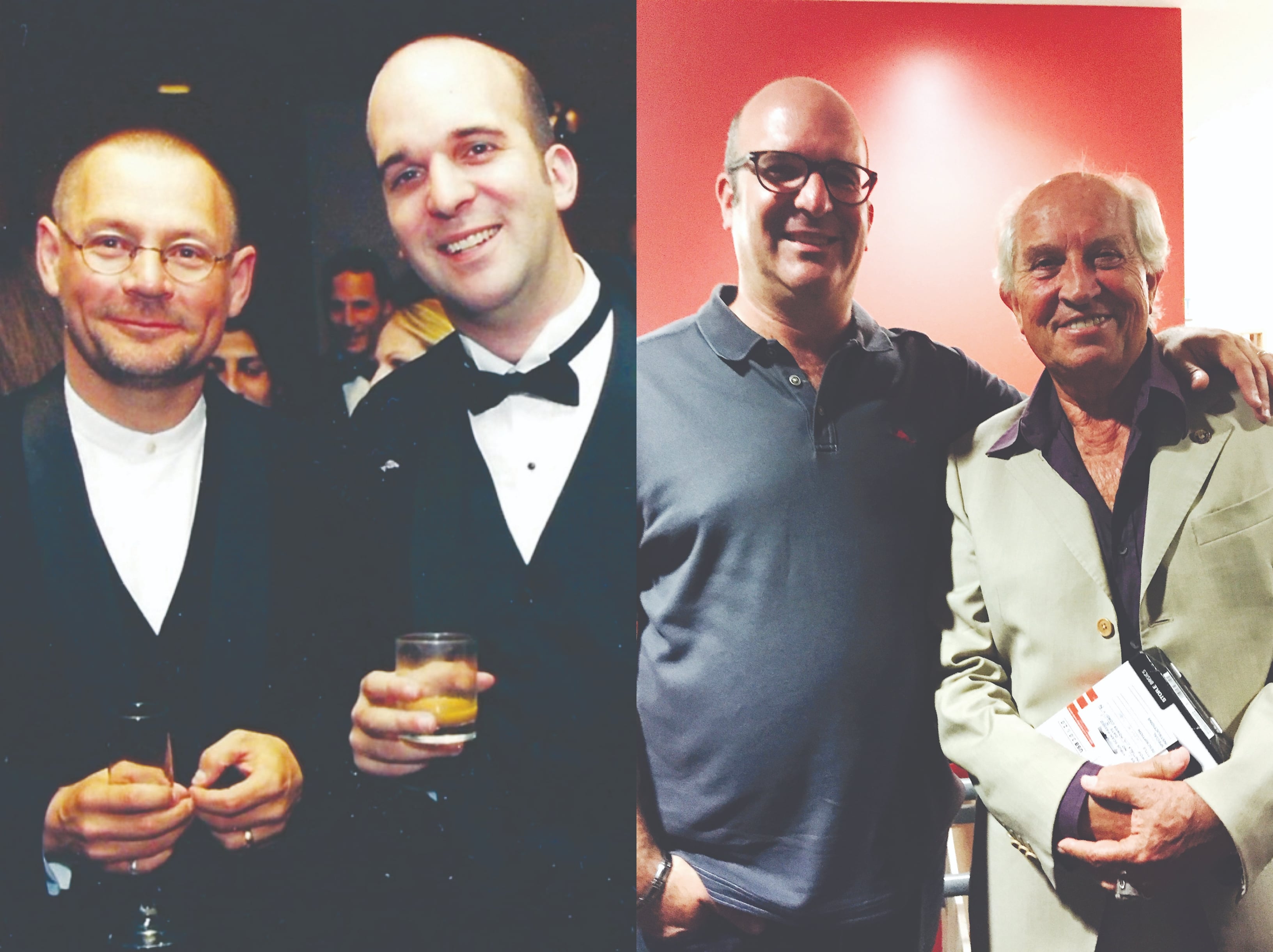
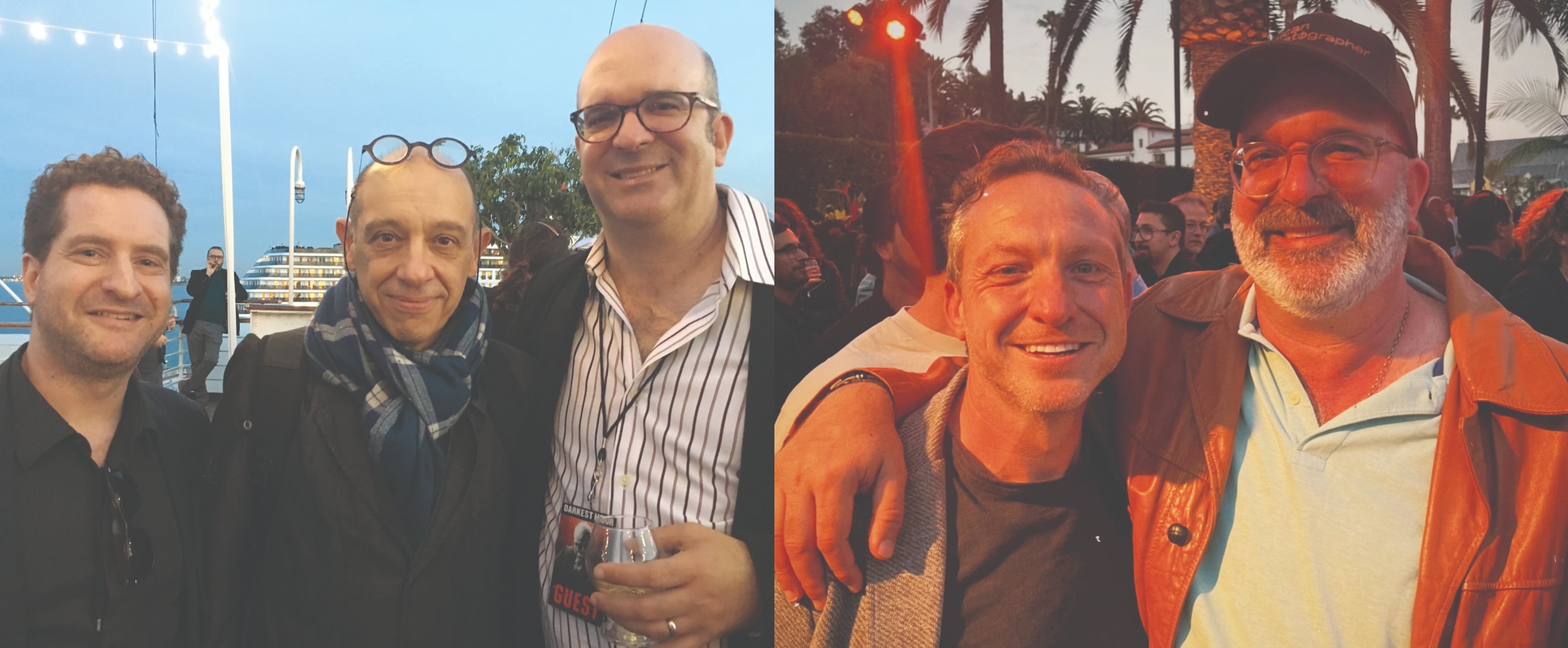
Mindful that AC has served as an essential reference for decades, Pizzello wants “every article to be the definitive piece on the cinematography of that movie, not just for the person using their first camera, but also for the Academy Award winner who picks up an issue.” To that end, the magazine’s writers are often experts in specific disciplines that go beyond cameras, lighting and lenses to include visual effects, virtual production, post work and other areas. Pizzello says he’s especially proud of onetime freelancers who have made significant career strides, such as Christopher Probst, ASC (who served as the magazine’s technical editor before becoming a cinematographer and Society member) and Jay Holben (the magazine’s current tech editor and an ASC associate member who works as a director and has authored a series of highly regarded books on filmmaking). “If you work for the magazine or the ASC and keep your eyes and ears open, you can learn a few things,” he says.
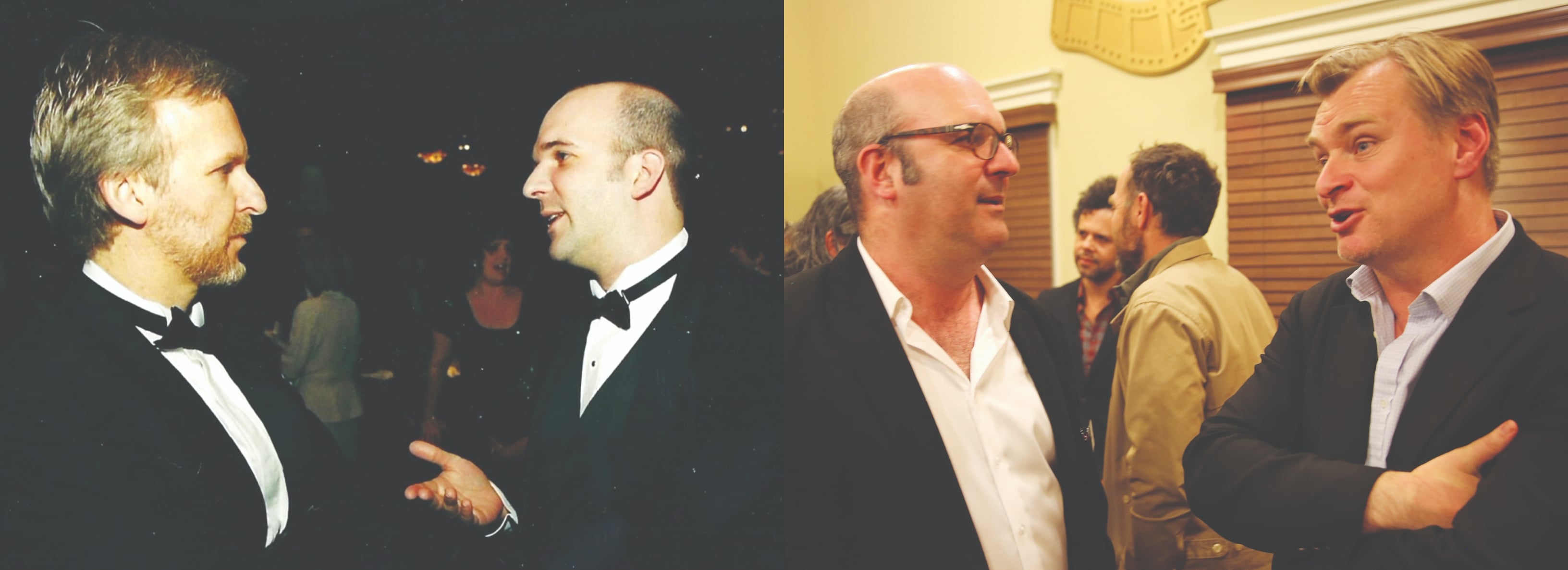
Pizzello was thrilled when directors James Cameron and Paul Thomas Anderson credited AC as their film school, and pleasantly surprised when director Albert Hughes told him that he and his brother, Allen, had hired Peter Deming, ASC to shoot their feature From Hell (Oct. ’01) after reading Pizzello’s story about Deming’s work on David Lynch’s Lost Highway (March ’97). “With such important filmmakers looking to our magazine as a key resource,” Pizzello says, “we have to take our reporting seriously, and we’ve got to make it good.”
One of the most meaningful phone calls he’s received was from Darius Khondji, ASC, AFC, who was preparing to shoot The Immigrant for James Gray (June ’14). “That film was set during the same time period as the flashbacks in The Godfather, and Darius wanted that same look,” Pizzello explains. “He knew I’d interviewed Gordon Willis [ASC] extensively about his work on the Godfather films and asked if I could send him the transcripts. When I saw the film, I thought it was the best period photography I’d seen since Gordy’s.”
Spotlighting Promising Talents
Another point of pride for Pizzello is the magazine’s penchant for identifying and promoting the work of up-and-coming cinematographers early in their careers, as it has with ASC members such as Ellen Kuras (I Shot Andy Warhol, April ’96), Matthew Libatique (Pi, April ’98), Wally Pfister (Memento, April ’01), Mandy Walker (Lantana, Feb. ’02), Lol Crawley (Ballast, April ’08), Alice Brooks (Jem and the Holograms, Nov. ’15), and Natasha Braier (Neon Demon, July ’16), among others. He was instrumental in launching AC’s annual Rising Stars of Cinematography feature, which shines a spotlight on new talents in the field. Some have gone on to become ASC members, which is especially gratifying. “I love tracking the progress of Rising Stars alumni like Kira Kelly as they start shooting bigger projects, earn acclaim, and then are invited into the Society,” he says. “It’s one of the most rewarding aspects of this job.”
He notes that cinematographers at an early stage of their careers are often the most prepared for their first AC interview because they recognize it as a career-making moment. When future ASC member Russell Carpenter was interviewed about his collaboration with James Cameron on True Lies (Sept. ’94), “he came into my office with a brick of computer printouts about a foot thick, and that article ended up being 11,000 words long! Years later, Russ told me that re-reading it gave him actual anxiety, because it made him feel as if he was reliving the experience.”
Fly on the Wall
Pizzello’s love of movies comes through in his articles. “Any time I talk to a great cinematographer is interesting,” says Pizzello. “They think in painterly detail, drawing from a knowledge of photography, art and storytelling.”
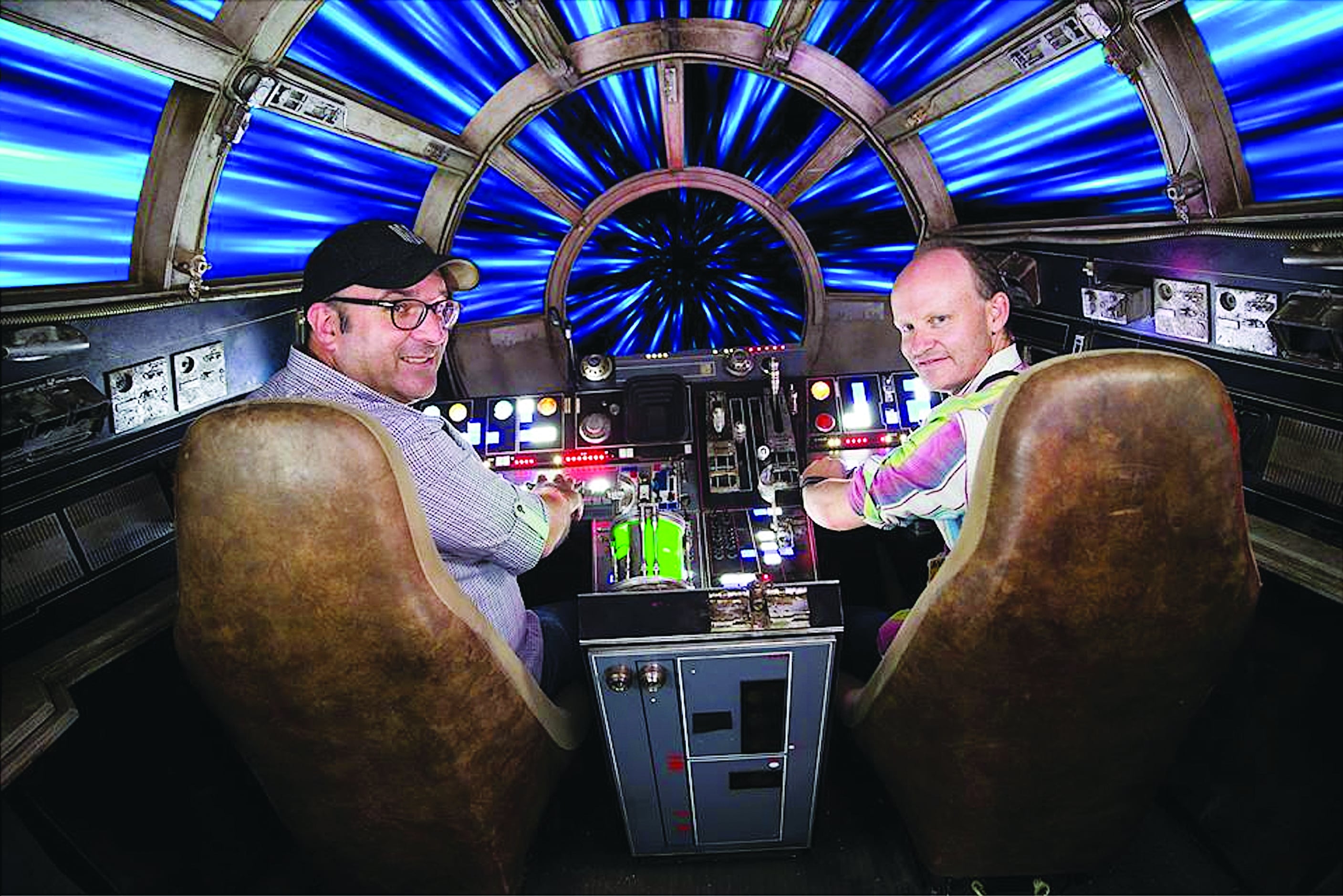
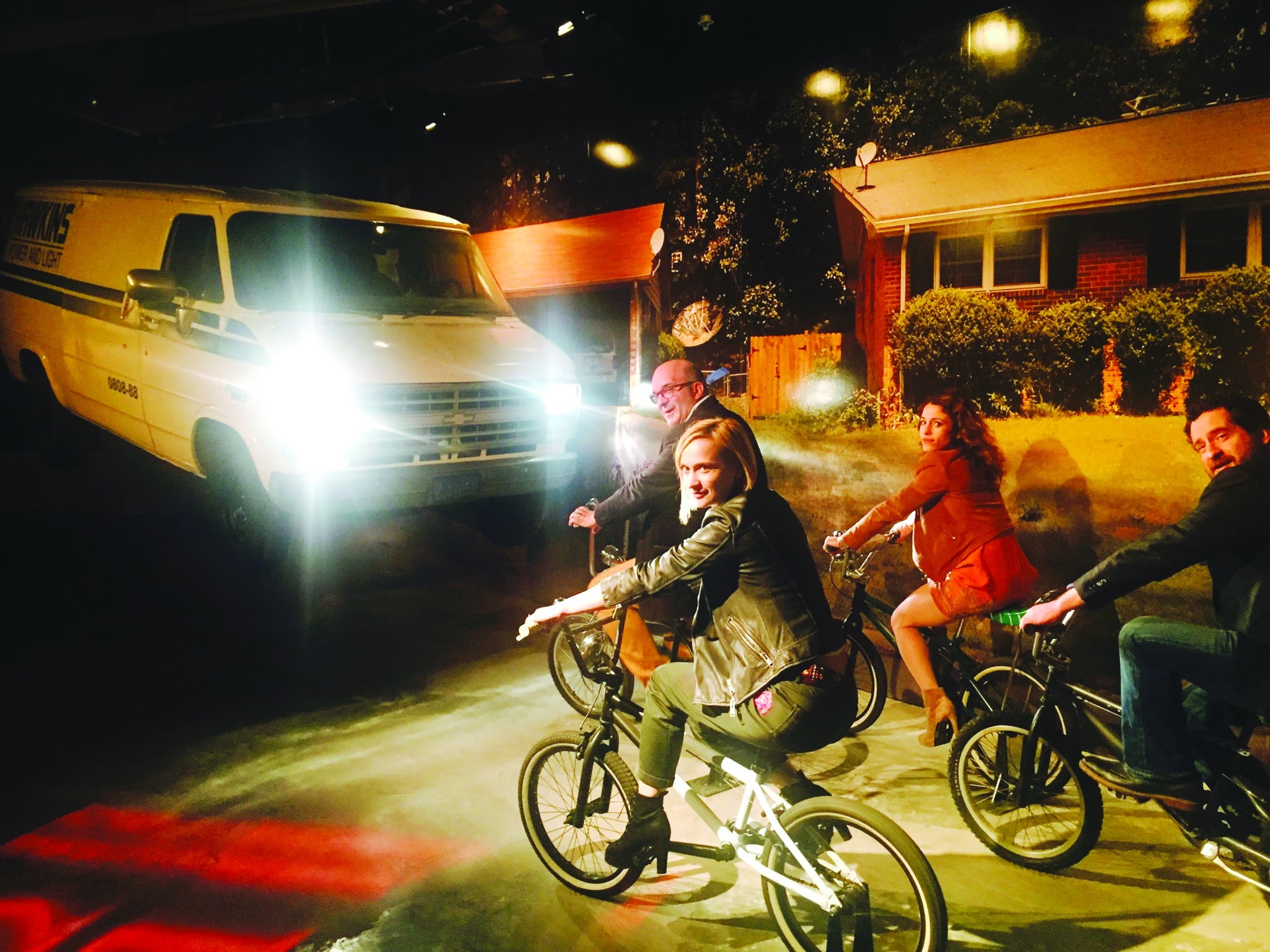
Still, the most fun he has on the job comes from being in close proximity to filmmakers doing their jobs. He was on set as Sekuła and Richardson shot Samuel Jackson’s most famous monologues in Quentin Tarantino’s Pulp Fiction and The Hateful Eight, respectively; he and contributor Noah Kadner (now AC’s virtual-production editor) were invited to co-pilot the Millennium Falcon for a photo op after watching Dan Mindel, ASC, BSC shoot portions of Star Wars: The Force Awakens at Pinewood Studios in London; and he once found himself grasping a belt loop on James Cameron’s jeans to steady the director as he inched incautiously toward the open edge of a swaying crane platform, high above a water tank in Rosarito, Mexico, shouting down toward Carpenter and waterlogged actors through a bullhorn as they shot a climactic sequence for Titanic. “The platform had railings on three sides, but Cameron was not clipped to a safety rope like the rest of us were, and I was thinking to myself, ‘I hope these are well-constructed pants, because if this belt loop doesn’t hold, the industry’s gonna lose one of its best directors — and several billion dollars!’”
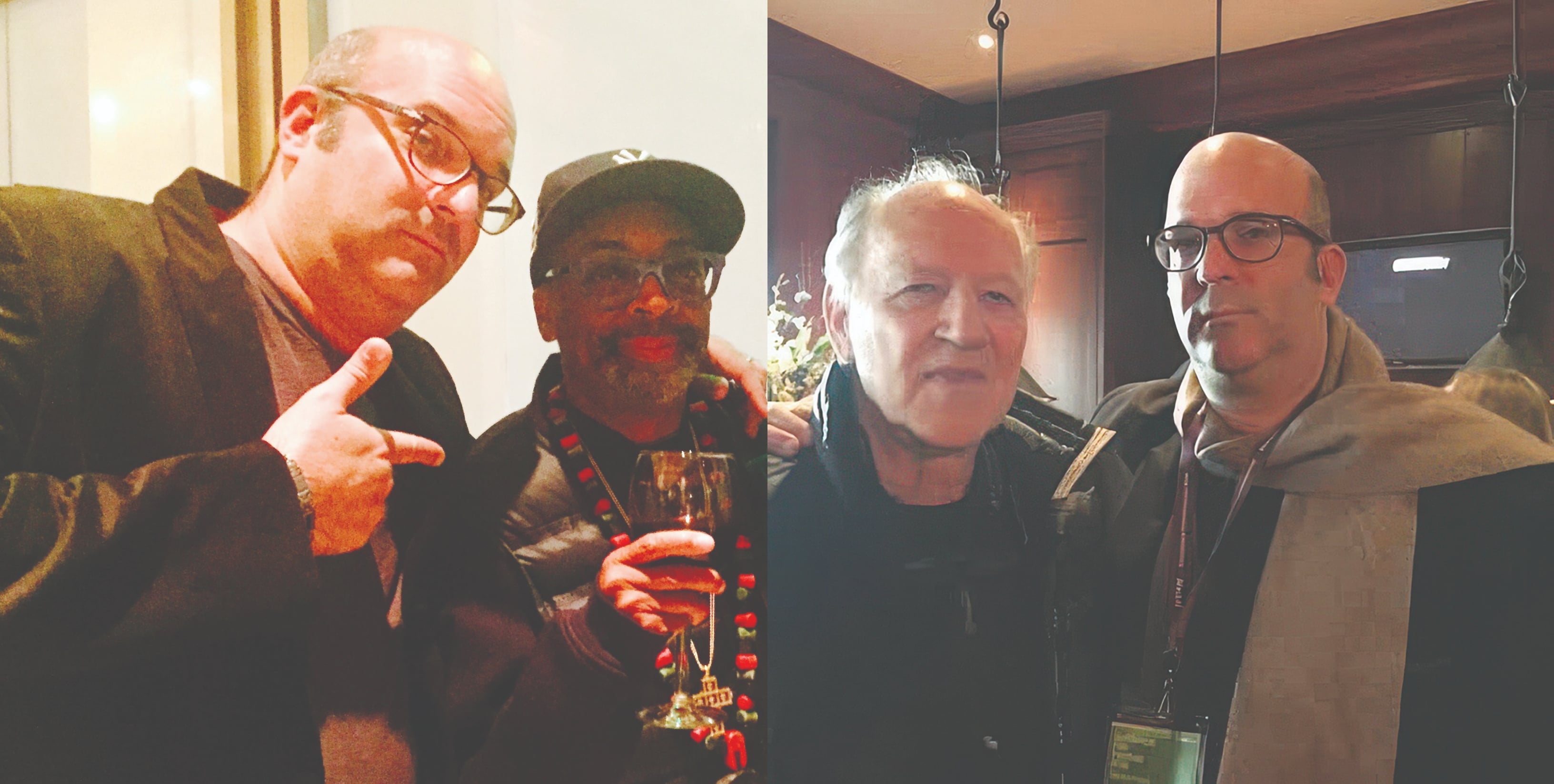
He cherishes the memories these encounters can afford. When Vilmos Zsigmond, ASC was doing post work on The Black Dahlia, he invited Pizzello to sit in for a digital-intermediate session that included Zsigmond’s lifelong best friend, fellow ASC member Laszlo Kovacs. “Laszlo was nearing the end of his life, so Vilmos wanted to spend every minute he could with him — it was very poignant,” Pizzello recalls. “Laszlo was very tired, and he kept nodding off, but at one point his eyes popped open, and a minute or two later he said, ‘Vilmos, that last shot was soft.’ Vilmos asked to look at the scene again, and he exclaimed, ‘Oh my god, he’s right — it is soft!’ Laszlo had his back, even in his final days.”
On another occasion, Pizzello paid a house call to interview David Lynch about his work with Deming on Lost Highway. “Lynch came out in a paint-spattered shirt, and we sat on a back patio while he smoked a cigarette,” he recalls. “Throughout the interview, I was distracted by a painting leaning against a nearby wall; strangely, it had a lump of roast beef protruding from the canvas, so I finally asked him about it. He explained, ‘That roast beef has gone through a strange metamorphosis. It was bigger when I started, but one day a squirrel came by and took a big hunk out of it. I’m kinda workin’ with it.’ That’s exactly the kind of thing I wanted to hear from David Lynch.”
The lessons can be illuminating. While visiting Pfister and Christopher Nolan at Cardington Studios during the filming of Batman Begins, Pizzello asked Nolan how he avoided feeling overwhelmed with such an enormously scaled production surrounding him. “He said, ‘I stay near the camera, because then it’s just about what’s in front of you.’”
“Platinum Standard”
As editor-in-chief, Pizzello has developed his own methods for managing the many moving parts of publishing. First, “surround yourself with people who can help absorb the stress. If you take it all on yourself, you’re going to break. Deputize people you trust, create camaraderie, and include them in decision-making so they’ll be invested in the mission. I don’t want to be isolated trying to solve my way out of a problem.”
He notes wryly that one benefit of doing the job for as long as he has is that “every conceivable problem has popped up at some point. If somebody says, ‘What do we do about this?’ I know there’s Solution 15-B from 1992 or Solution 14-C from 2009.” (He is only half joking.)
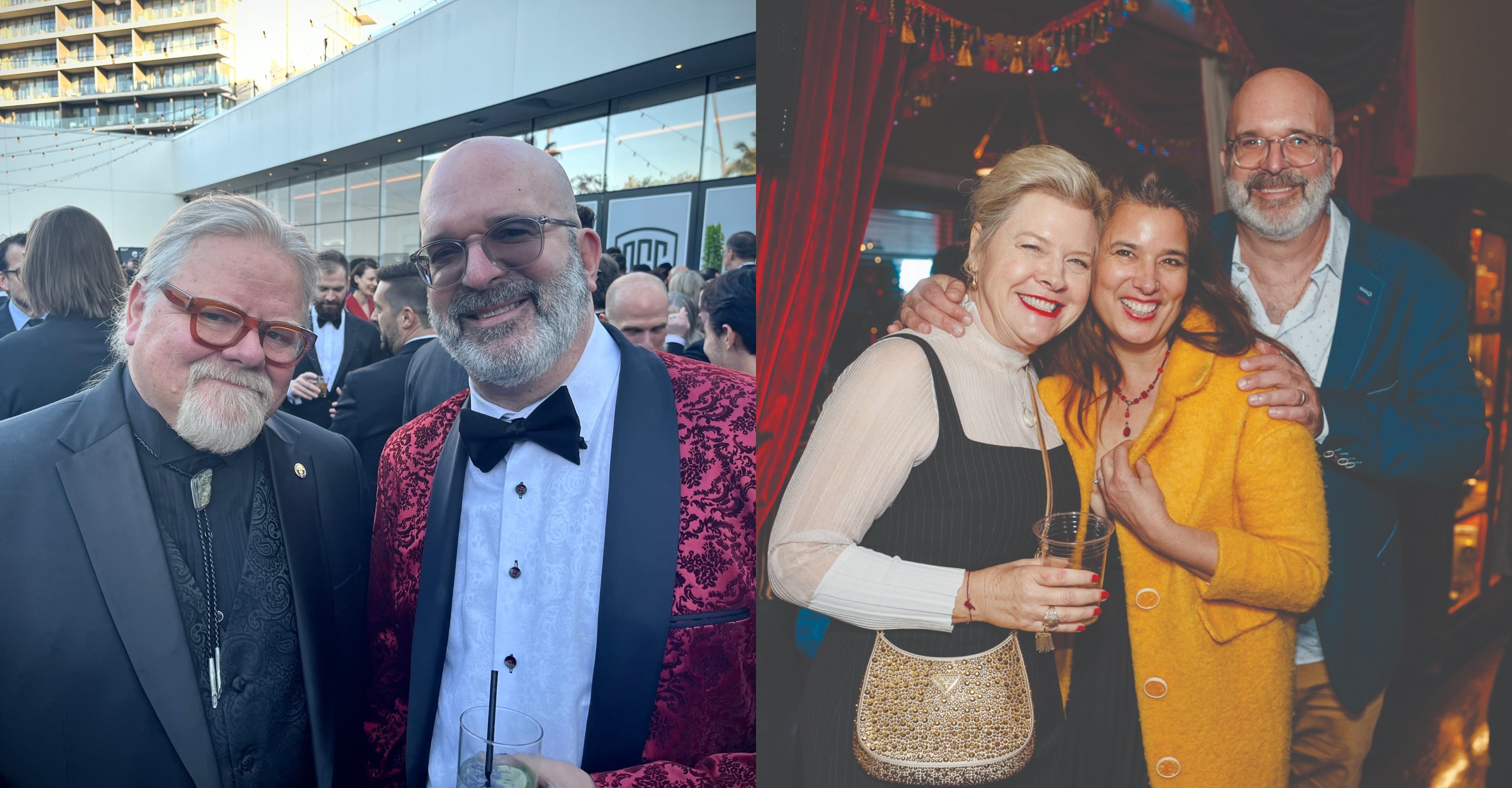
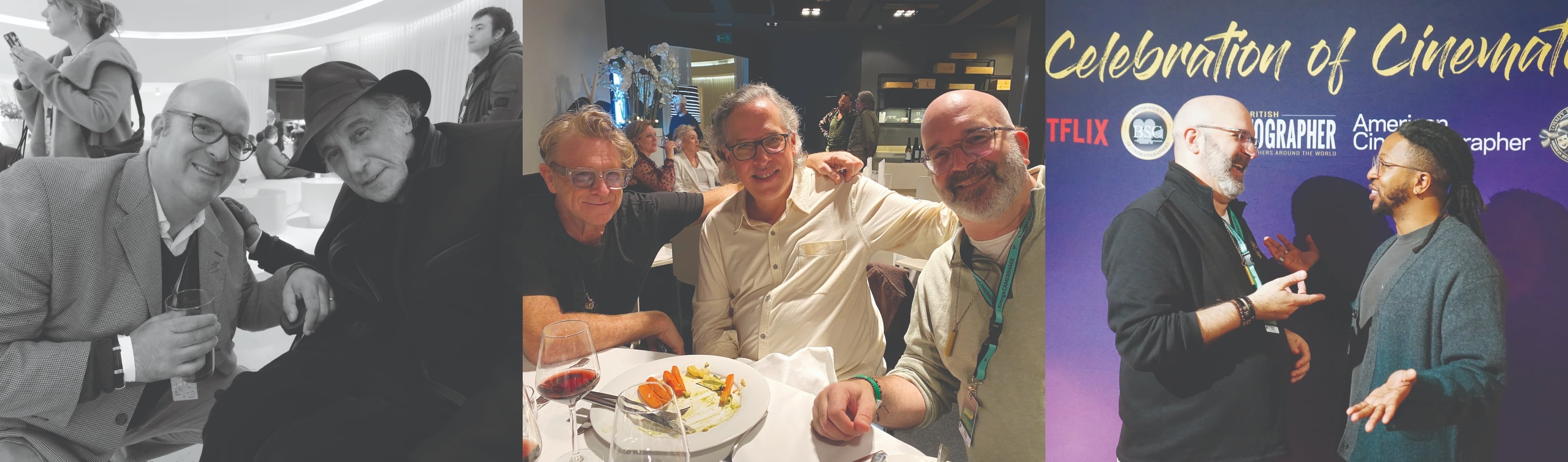
Over the years, he has grown close enough to ASC members and staff to call some “family” — literally, as he’s been married to ASC General Manager Delphine Figueras for nearly 23 years — and he has worked hard to burnish the reputation of cinematographers and promote their art form far beyond the borders of the Society and the American entertainment industry. Anyone who has spent time with Pizzello at a film festival, trade show or industry soirée knows that means having fun along the way — whether it involves hosting NAB parties at the Kiss Monster Mini Golf course in Las Vegas, or entertaining cinematographers and other industry friends with his wife during epic summer pool parties at their home. “It’s true that I’ve had some crazy adventures and absurdly late nights at various events and festivals, but I’m hardly alone,” he says with a wry chuckle. “One year in Poland, during a typically marathon party at the Camerimage cinematography festival, I’d finally had enough at about 4 a.m. I was trying to slink out without anybody noticing, but Ed Lachman [ASC] — surrounded by a group of admirers and still going strong — spotted me out of the corner of his eye, gave me a big smirk and yelled out, ‘Where you goin’, Pizzello? You tired? You need to get some rest?’ Ed’s not just a world-class cinematographer — after midnight, he’s a machine.”
The film industry continues to have ups and downs, but Pizzello’s passion for cinema is unflagging. “I was 28 when I was put in charge of the magazine, and I probably looked like a grade-schooler to the ASC Board, but I managed to convey to them, through sheer movie fanaticism, that I had an enormous respect for their work. I told them if they trusted me, AC could become the platinum standard.”
Today, he’s proud of the magazine’s hallowed place in the industry. “The ASC’s motto is ‘Loyalty, Progress, Artistry,’ and during my long tenure, I think we’ve made progress and done it with artistry,” he submits. “And if 35 years doesn’t indicate loyalty, I’m not sure what would!”
Images courtesy of Stephen Pizzello and the ASC Archive, unless otherwise noted.
Editor's Note
It’s very strange to see a profile about myself in American Cinematographer after spending more than three decades writing and editing articles about others and their work. Since the magazine covers all ASC Award honorees each year, I was persuaded to do an interview with longtime contributor Iain Marcks, who’s done a very good job (in my humble opinion) of capturing both the essence of my job as editor-in-chief and my personality. I hope you’re finding the article entertaining and even informative, and that you’ll forgive any traces of self-indulgence.
That said, I’d like to use the remaining space in this small box to salute my current team of magazine collaborators, who have as much to do with the quality of this publication as I do. A person in my position could not ask for a better team than Managing Editor Andrew Fish, Web Editor Max Weinstein, Creative Director Edwin Alpanian and Contributing Editors Rachael K. Bosley, Jay Holben, Iain Marcks, Noah Kadner, Joe Fordham, Doug Bankston and Carolyn Giardina. I’d also like to give a shout-out to Sales Directors Sanja Pearce and Michael Ibanez, who help keep the lights on, and Circulation Director Saul Molina and his right-hand man, Circulation and Events Coordinator Charlie Molina.
I should also express sincere gratitude to my wife, ASC General Manager Delphine Figueras, since she might change the locks on our house if I don’t; ASC Chief Operations Officer Alex Lopez, who definitely will change the ASC gate code if I don’t; ASC Sponsorship and Events Director Patty Armacost, whom I’ve worked alongside for my entire tenure; every member of the Society’s support staff; ASC President Mandy Walker, who nominated me for the Award of Distinction; and the ASC Board, which didn’t impeach her after she did!
— Stephen Pizzello