Sound of Falling: Custom Optics Capture Fractured Memories
Cinematographer Fabian Gamper reveals the exacting approach to lens modification and testing that helped create the period-spanning drama's ethereal aesthetic.
Imagine being able to step into and observe someone’s memories. That’s the premise of the German film Sound of Falling, which explores the remembrances of four girls across four generations and time periods on a farm in northern Germany. Like a stream of consciousness, the memories seem disjointed, but they are, in fact, connected, serving to reveal that traumatic events, no matter how different, have a lasting impact on the psyche.
Swiss cinematographer Fabian Gamper, who won the 2025 Camerimage Silver Frog for his work on the film, notes that he and director Mascha Schilinski “didn’t want to draw clear lines [for the viewer] so that the puzzle of trauma would be easily solved. There are experiences from long ago that are written into people’s bodies, and although we may be generations removed from them, they still influence us in a subconscious way.”
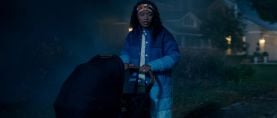
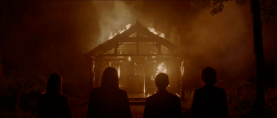
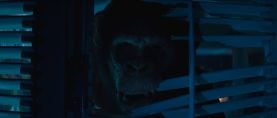
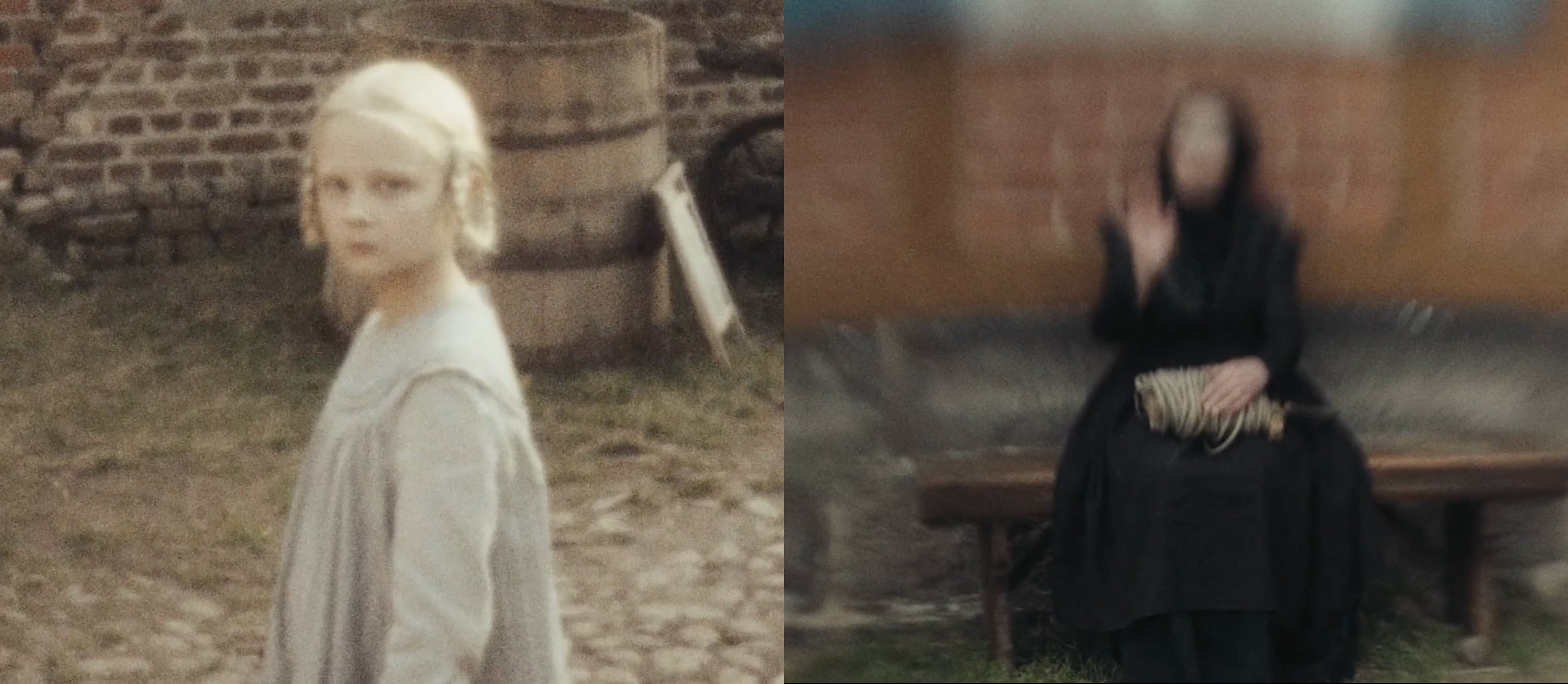
The memories resemble unearthed 8mm and 16mm home movies and documentaries that have been stored away in a basement for decades. However, Gamper stresses that "the look of the film — or rather, the degree of abstraction and the design of the effects — is not homogeneous, but varies throughout. That felt right to us. We also had to find a balance between interesting blurred effects, which help sell the concept of 'memory,' and keeping the image sharp enough for the viewer to watch the film without becoming frustrated by not seeing our great actors enough."
The 1.33:1 images are grainy, sometimes extremely so, with lens aberrations and anomalies. “These internal images have a variety to them,” Gamper says. “We didn’t have a rulebook for using 'this particular lens at this moment.' The screenplay was written in a very literary way; the images were described in how they should feel. The look choices were intuitive. We invested a lot of time to figure out those looks.”
Putting the Past Under Glass — Lens Selection
Gamper tapped an array of modern digital cameras to shoot the picture — Arri Alexa Mini, Sony ILME-FX6V, Zenmuse X9 on a DJI Inspire 3, and Panasonic GH5S — and his main lenses were Cooke S2/S3 Speed Panchros rehoused by TLS, a Cooke Cinetal 25-250mm MK III zoom and a Canon Optex 10.5-210mm Super 16 zoom.
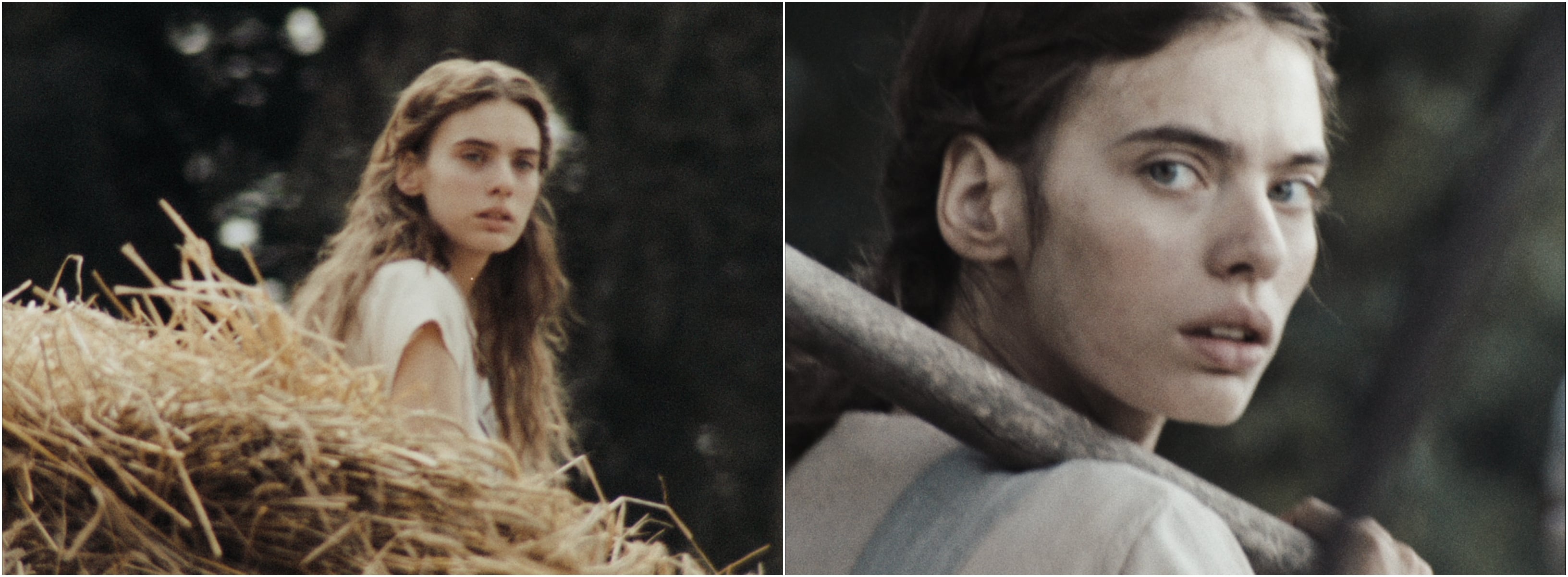
However, he turned to some unusual optics to achieve the “internalized” memory images.
The cinematographer aimed to match the long-exposure, soft-focus effect found in early postmortem photography. "Since photography was expensive and not accessible to everyone until the early 1900s, there were almost no photographs of common people, especially in rural areas," Gamper explains. "So, when a person died, it was quite possible that no photos of them existed. To ensure that the family still had a lasting memory, sometimes a photographer was called in after the death to photograph the deceased, especially if it was a child. The dead person was draped as if they were still alive. They were held up by a scaffold, or by people who hid behind them as much as possible or wrapped themselves in black cloth. Since film emulsion was very slow at the time, long exposure times had to be used. This, in turn, led to motion blur if someone holding the dead body moved slightly. These photographs completely fascinated us."
The production's farmhouse location was abandoned, which enabled Gamper to conduct extensive lens tests on site. Through these tests, he found what he needed to elicit the feel of postmortem-photography: a pinhole lens (Thingyfy Pinhole Pro 58mm multi-aperture lens) and modified Russian Soviet-era Mir-1B 37mm f/2.8, Helios 58mm f/2 and Jupiter-9 85mm f/2 lenses.
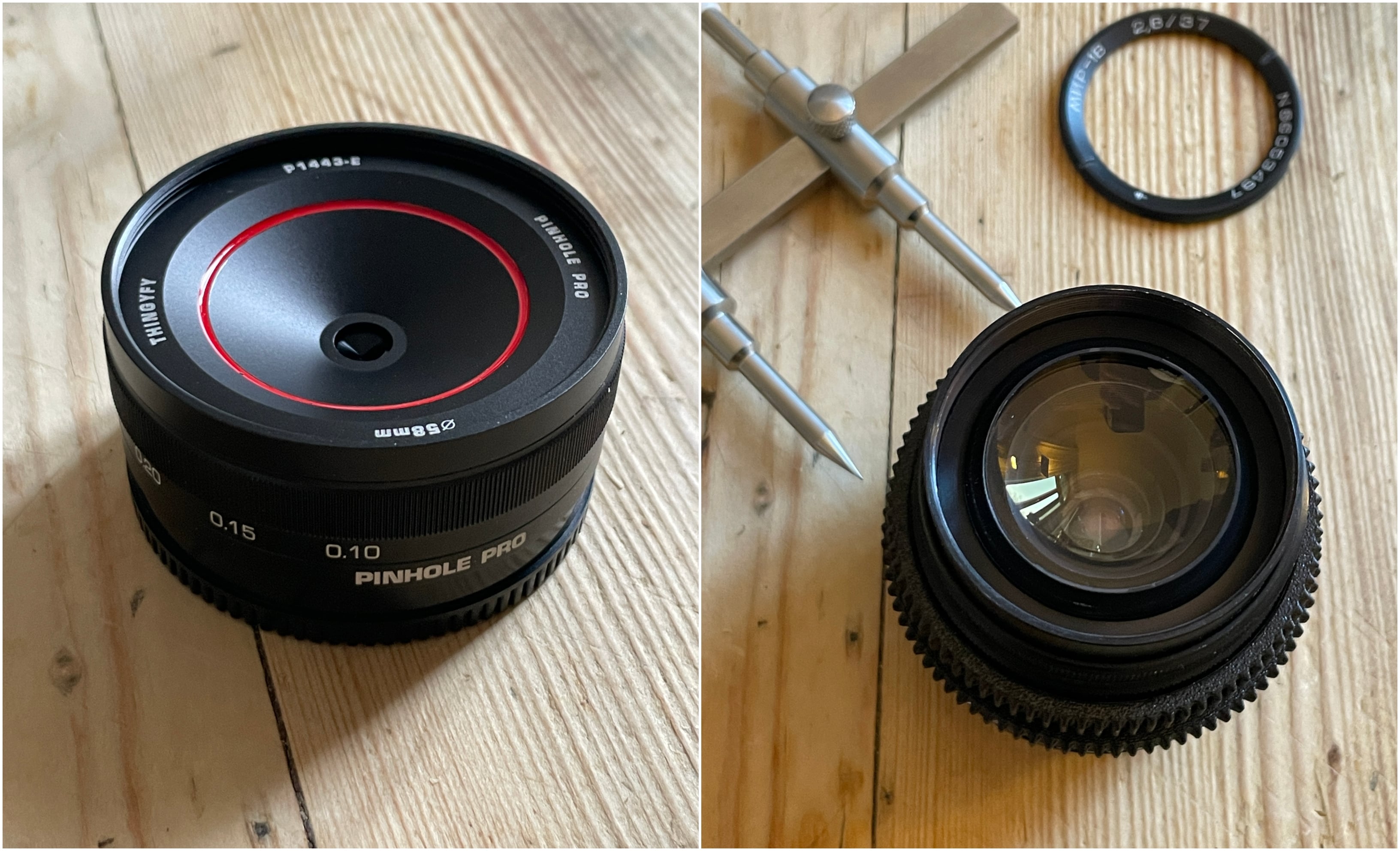
Lens Modification and Testing
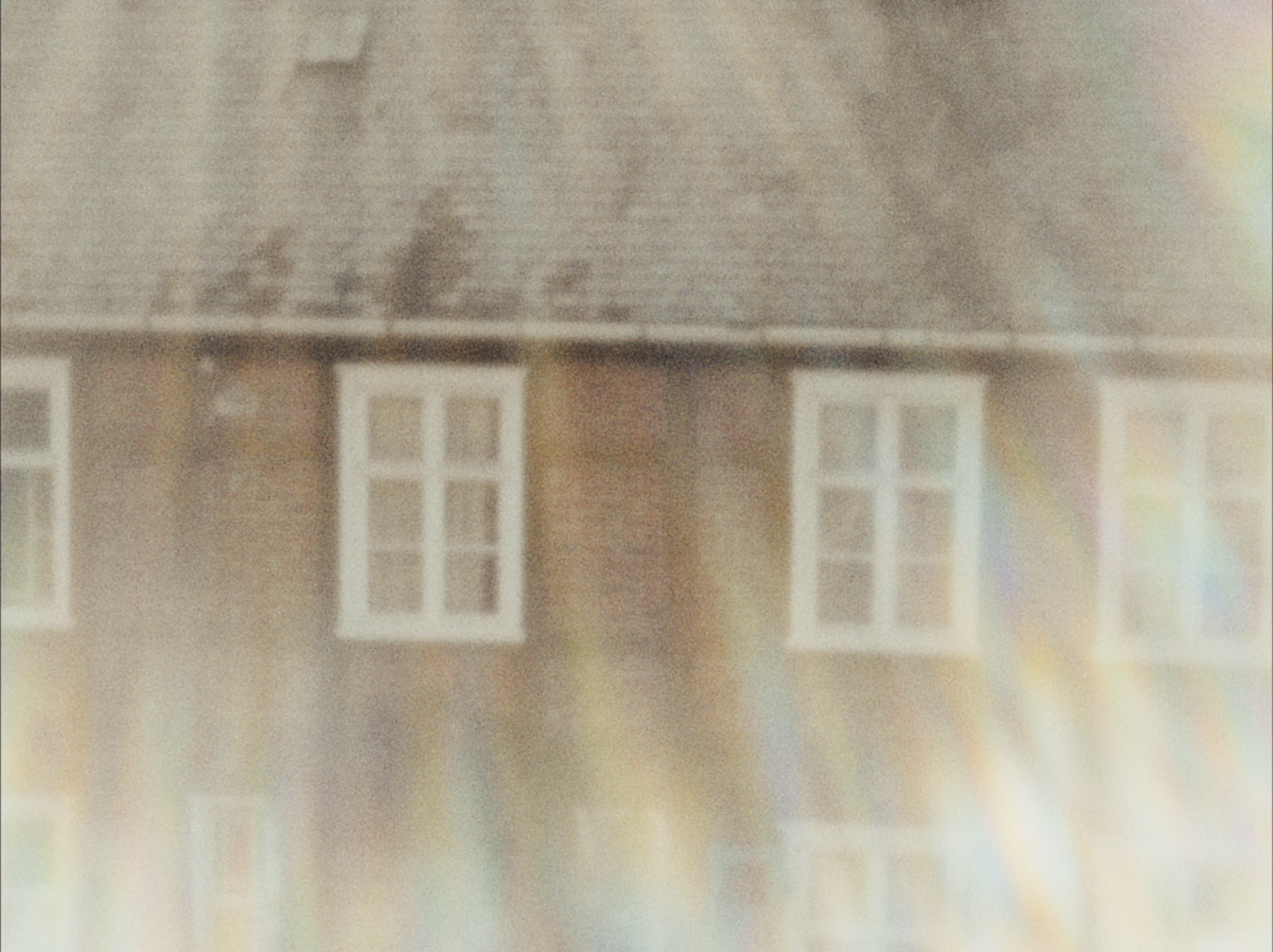
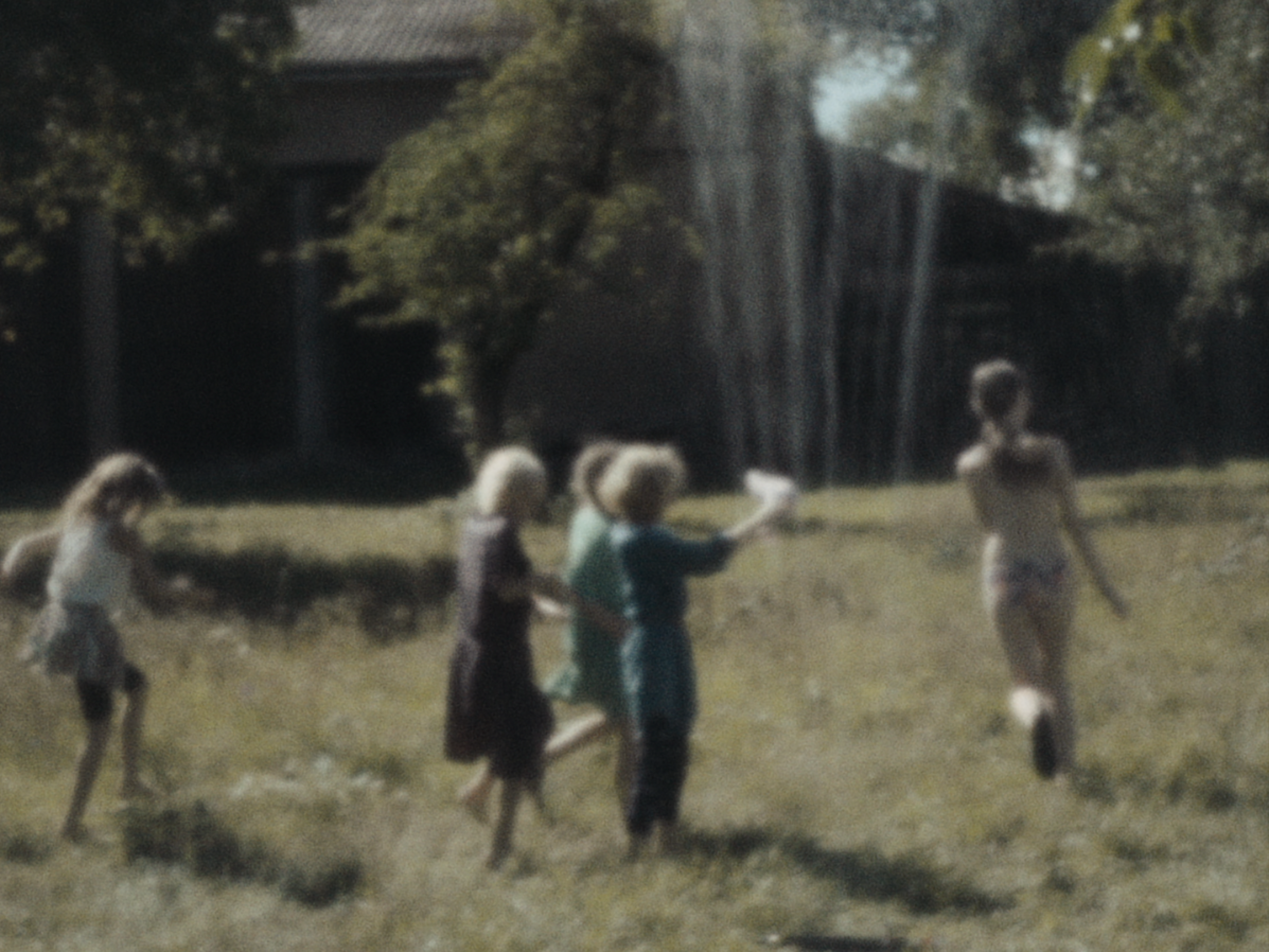
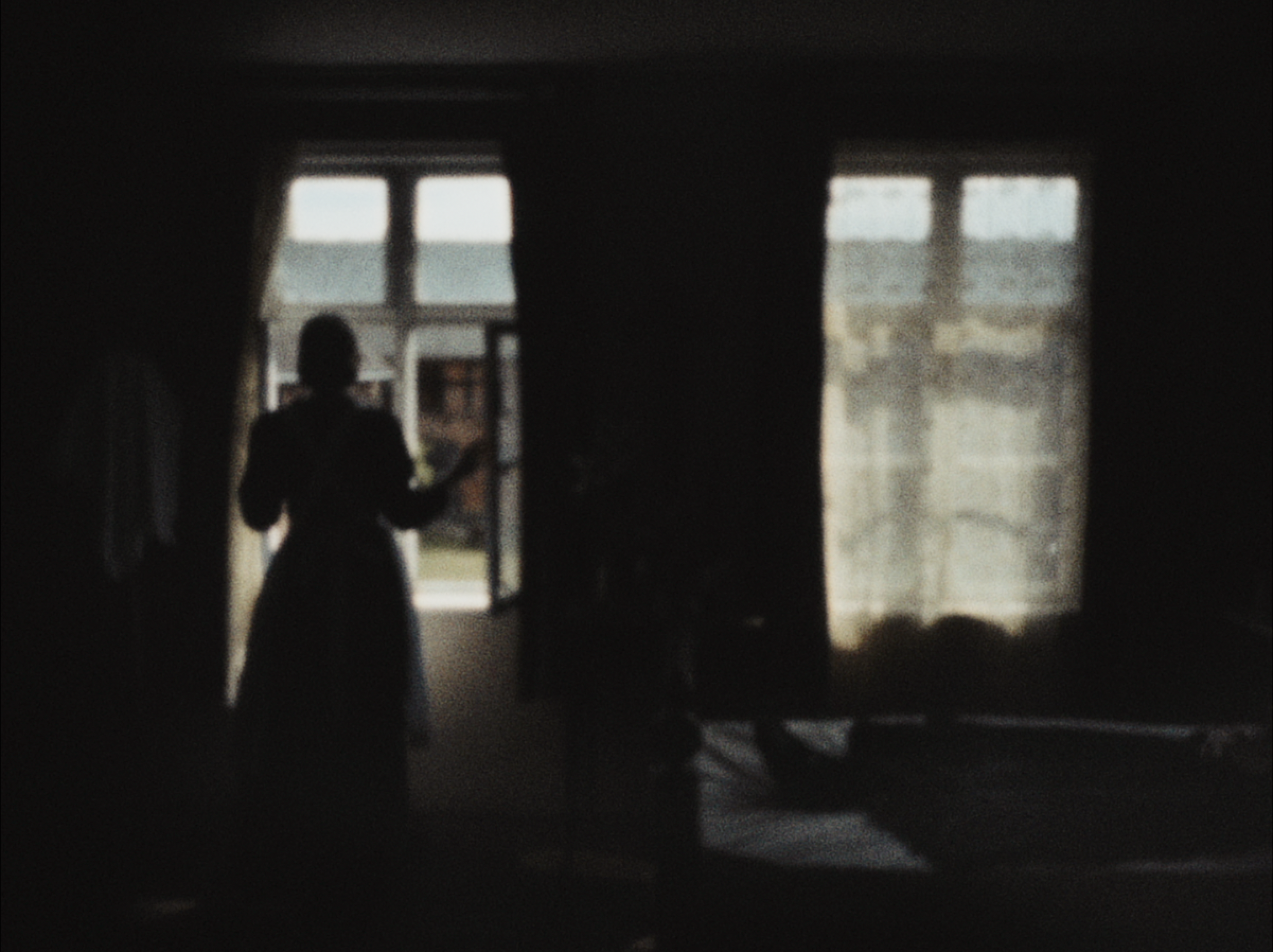
"The first test shots that we thought matched the images in our memory were those taken with the pinhole camera," Gamper notes. "Before I discovered the Thingify Pinhole lens with different hole sizes, I simply experimented with a piece of sheet metal in front of the sensor, in which I made a small hole. The image that resulted had something mystical about it. It has no focal plane, and everything is equally sharp; it felt to me as if it came from far away, as if there were a veil over it. The smaller the hole, the sharper the image. We liked a sharpness that roughly corresponds to Super 8 film. The pinhole camera reacts very interestingly to direct light, producing a colorful fan of colors when the sun hits it directly. Because of the small hole, you need a lot of light — which I was able to compensate for by using the high light sensitivity of ISO 12,800 on the Sony FX6 camera."
Watch footage of Gamper's pinhole-lens tests below:
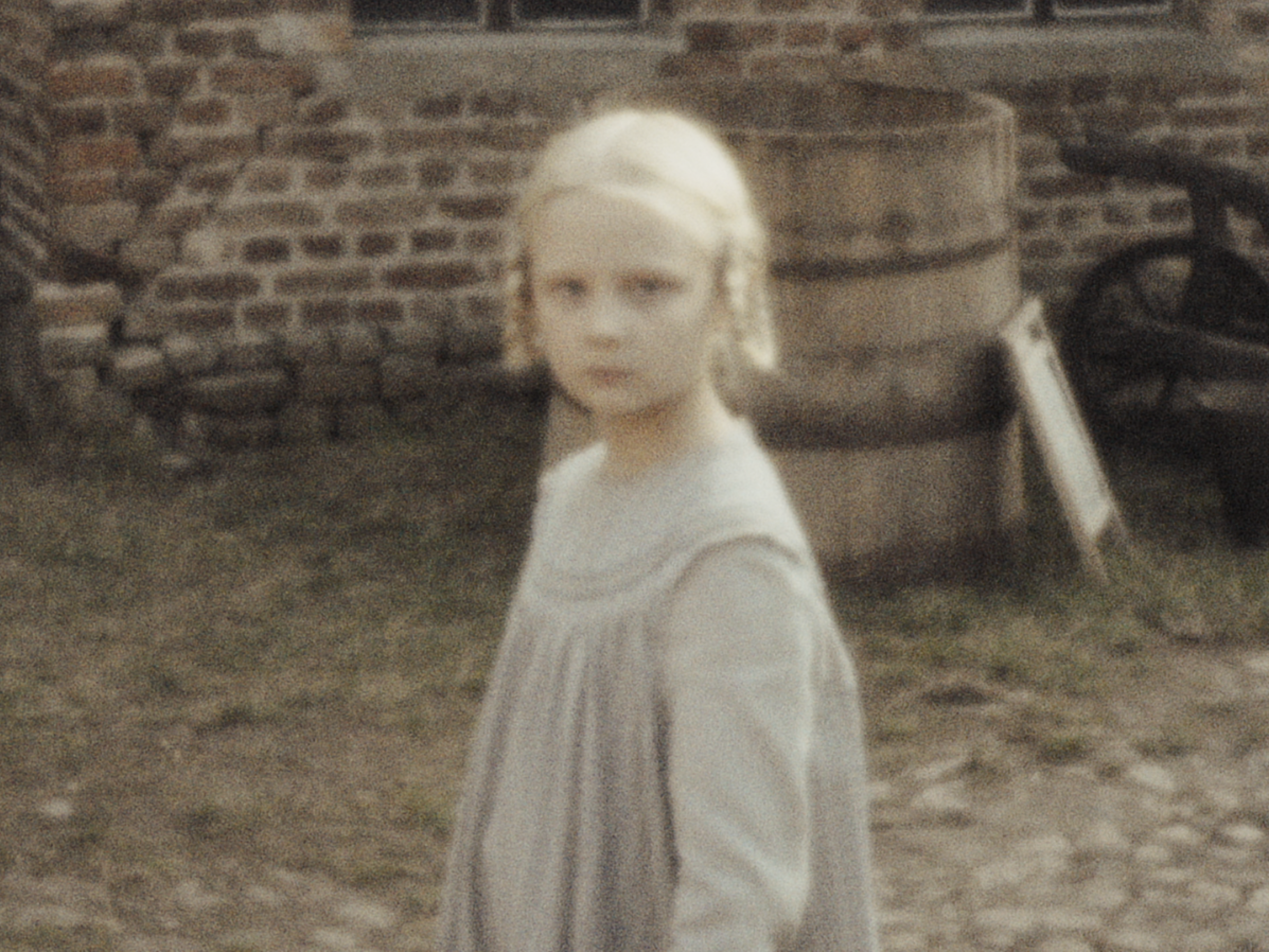
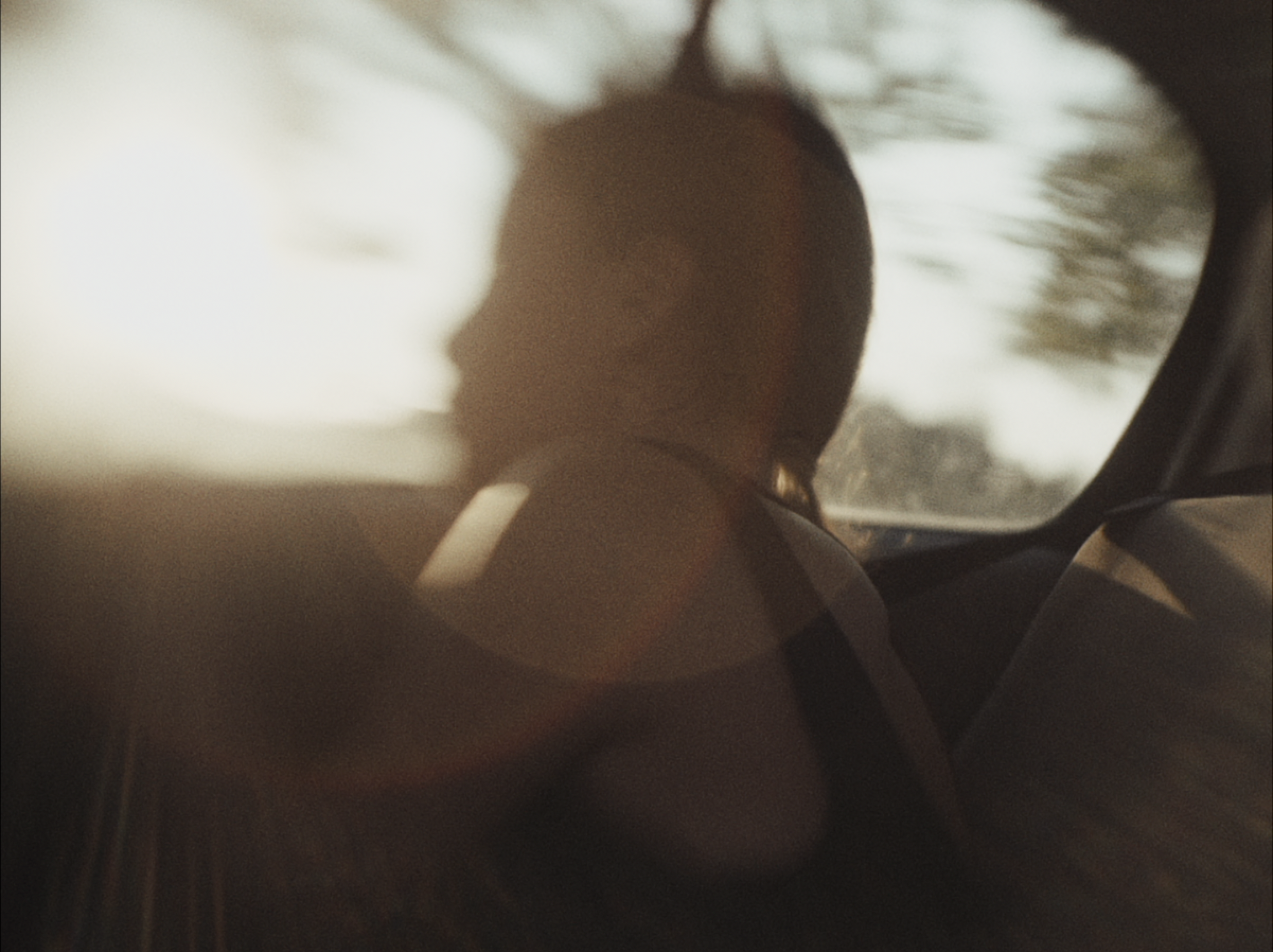
Gamper drew further inspiration from the photography of Francesca Woodman, whose black-and-white portraiture often featured long exposures. Inspired by the "Deakinizer" — an effect lens used by Roger Deakins, ASC, BSC for The Assassination of Jesse James by the Coward Robert Ford — Gamper began deconstructing lenses himself to see what might help emulate this look. By reversing the front element of the Mir-1B, "we created a blur effect, which we used instead of a slow-shutter effect," he says. “I bought this vintage still lens quite cheaply on eBay. The optical construction is very simple, so I detached the front element and put it in backwards. This made the center of the frame sharp, but the outside edges had a swirly focus that created an interesting blurriness.”
Watch footage of Gamper's Mir-1B tests below:
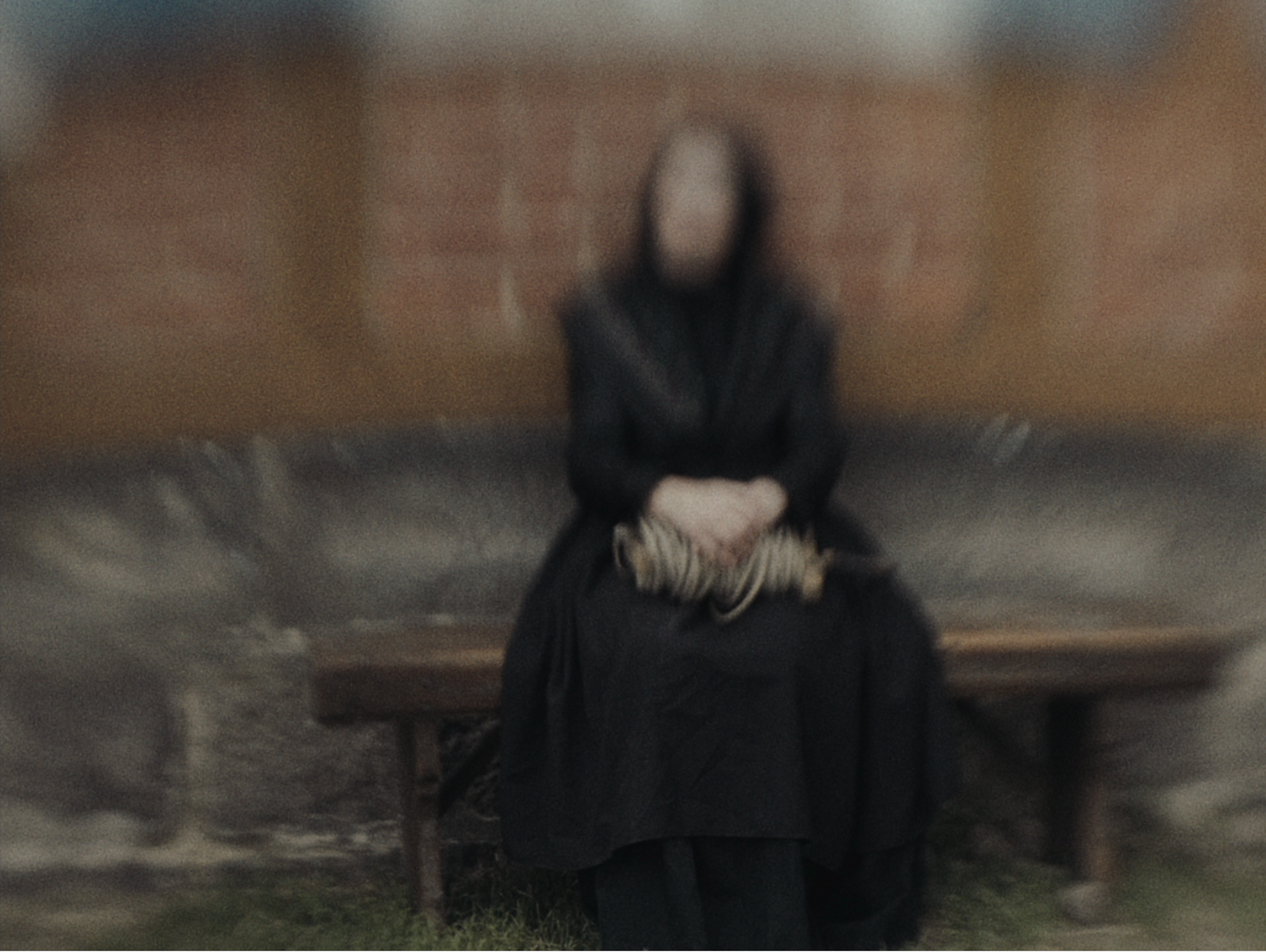
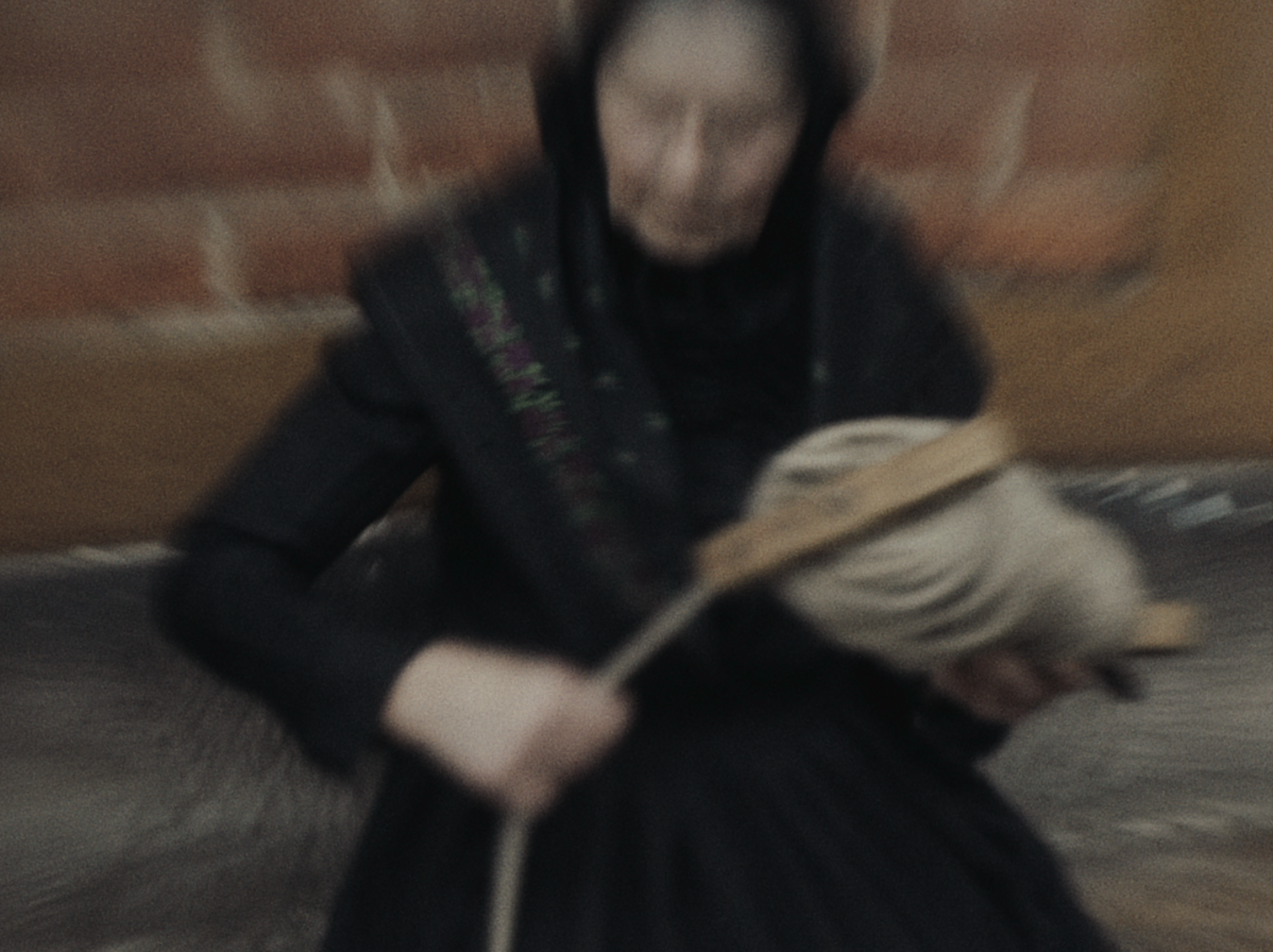
He used the Mir-1B and its swirly-edge effect for shots of the grandmother (played by Liane Düsterhöft and featured in the 1910s section of the film), for example, to mimic the subject blur in Woodman’s long exposure. “In the center of the frame, it looked cool, but it did not feel like a memory,” says Gamper. “So, I turned the camera on its side 90 degrees and shifted the framing down, which put more of the effect toward the center and over her face.” This basically shifted the 1.33 frame within the sensor, allowing the cinematographer to adjust framing to place the effect where he wanted.
Ghost in the Machine — An Unusual Camera-Movement Test
Gamper often had the camera on a Steadicam so he could float through the memories like an invisible observer — a ghost. Another effect was to have the ghost “blink,” which he achieved by “closing my fingers in front of the lens; it was very subjective and created a kind of reddish light through the blood of my hand.
Watch footage of Gamper's camera-movement test below:
"I did the tests while scouting a river location with my own Panasonic GH5s camera, which was housed inside of a cheap consumer underwater camera bag," he adds. "To actually shoot the scene, we had our Alexa Mini in a Scubacam splash bag; the camera was paired with an 18mm Cooke S2 lens, which was rehoused by TLS."
Underwater Work
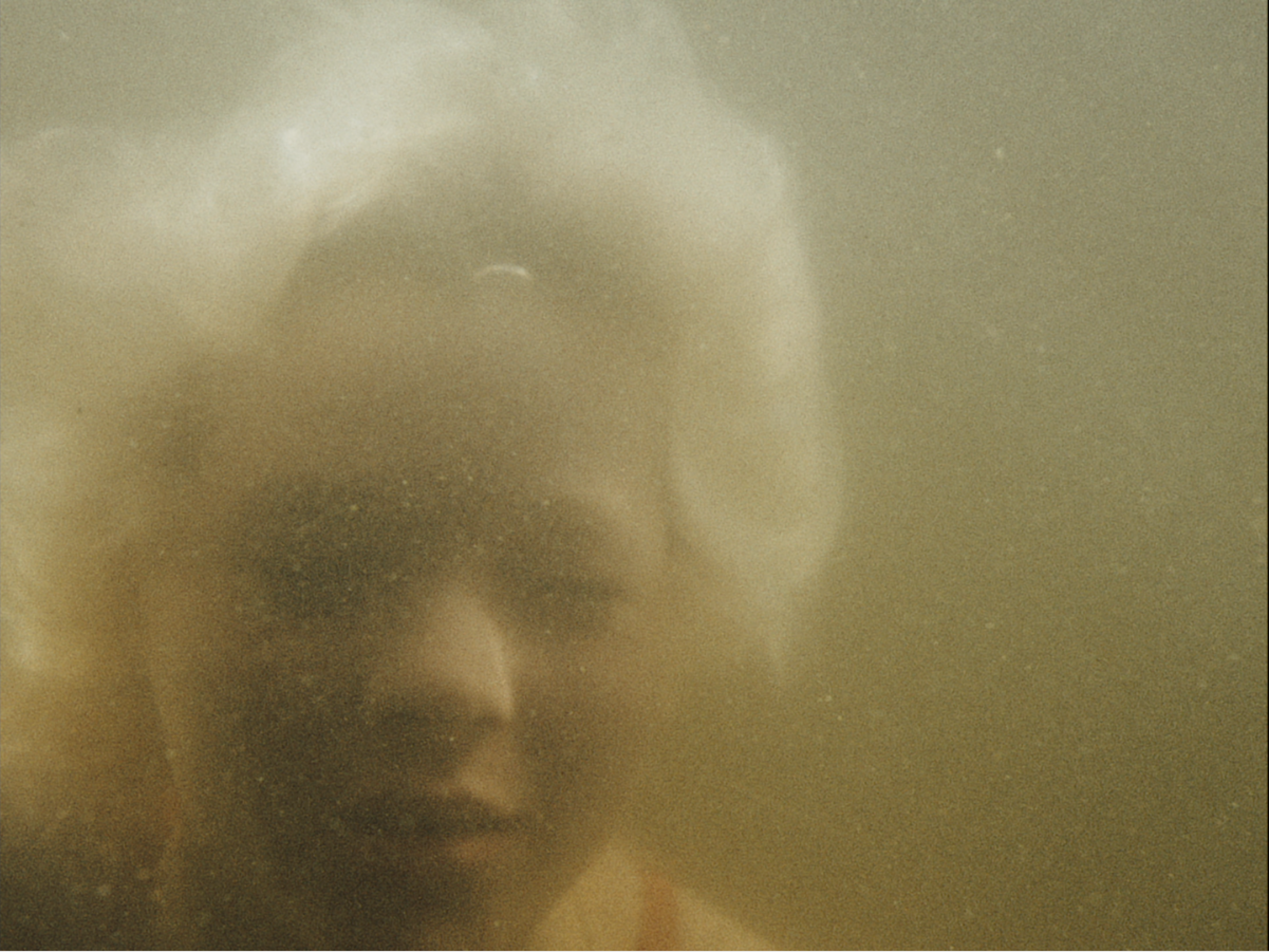
Filming underwater shots of the girls swimming in a pond on the farm presented a challenge because the water was so murky. “A pool would have been clearer, but we had to shoot on location,” says Gamper. “I put the camera in there and could see nothing — just green! But I realized I could get my hand close [to the lens], like just 30 centimeters, and it was visible. So, with a wide-angle lens and the actors coming very, very close to the lens, and with the sun rays luckily shining down, it really played into the language of the memories. The [girls] would appear and disappear.”
"Off the Beaten Track" On a Low Budget
Gamper and Schilinski originally wanted to shoot on 16mm film, but the production's low budget precluded that. During prep, he designed LUTs based on Kodak's 5207 stock, "emulating Powergrade, which I heavily modified," he notes. "Colorist Maik Lezius joined us only for the final grade. We didn't have a DIT on set. Our core camera team consisted of 1st AC Christian Öhl, 2nd AC Sophie Heyer, and data wrangler Minh Hoang Nguyen; the three of them took care of the LUT management." Lezius performed the final grade for D-Facto Motion at MMZ Studios in Halle, Germany. "We shot on the Alexa Mini in 4:3 Mode, so we didn't have to crop the Alexa footage for the aspect ratio," Gamper adds. "But the footage of the other cameras was cropped to match 1.33, and I used a 93 percent frameline/crop on the Alexa, so I would have a little room for reframing."
Reflecting on Sound of Falling's Silver Frog win, Gamper says that working on the film presented him with an opportunity "to help capture a story that relied heavily on visuals, mood and sound as narrative elements. I felt that the narrative really needed the abstraction we were aiming for in order for the film to convey its message. This was a project with very little money, but a lot of love and energy from the whole cast and crew. I had a lot of fun going 'off the beaten track' and playing with visual abstractions."
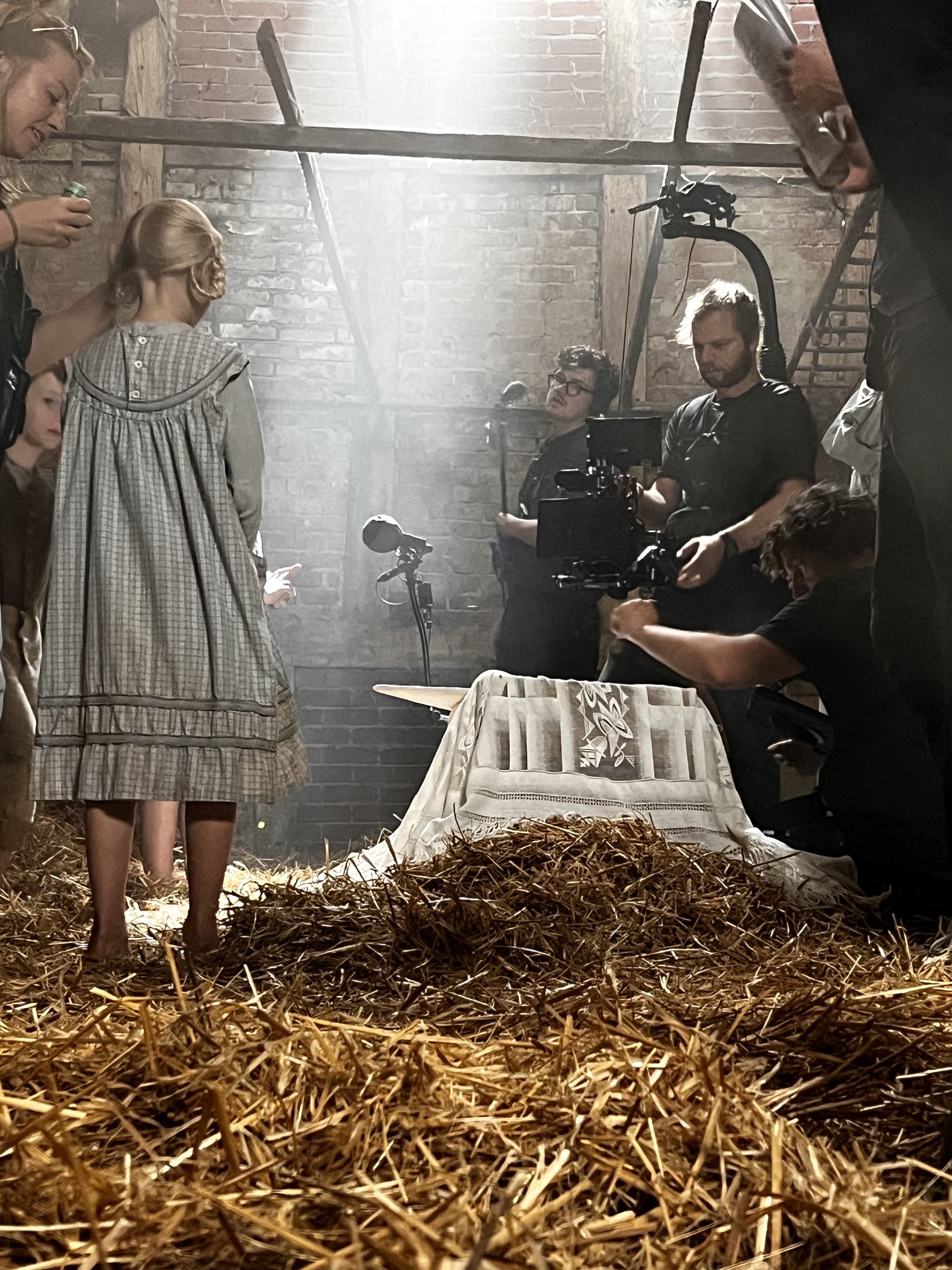
Unit stills, frame captures and test footage courtesy of Mubi and the filmmakers.