Sundance 2026: Eight Cinematographers Share Shooting Strategies
The filmmakers behind seven features from this year's festival detail their aesthetic approaches, on-set challenges, favorite scenes, and gear of choice.
Whether a longtime veteran or a relative newcomer, each cinematographer AC tracked down at this year's Sundance Film Festival expressed a strong sense of nostalgia as this year's edition marked the last in Park City, Utah.
Lol Crawley, ASC, BSC (Wicker) notes that he still secures jobs in America based on the work showcased in the 2008 drama Ballast — his first feature to premiere at Sundance, which earned him the festival's Best Cinematography award. Sam Levy (The Only Living Pickpocket in New York) has served as director of photography for five features that premiered at Sundance and once as camera operator on another, and was also a Sundance cinematography fellow “a long time ago,” he notes.
Others are just getting started. For Stefan Weinberger, who met his wife while attending the festival only as a moviegoer in 2019, Union County is the first film on which he served as cinematographer. Lidia Nikonova’s would-be Sundance debut was disrupted by the festival's pivot to an online-only edition in 2021; she was thrilled to have another shot at a proper premiere this year, this time with two films — the psychosexual-thriller feature Night Nurse and the short film Birdie.
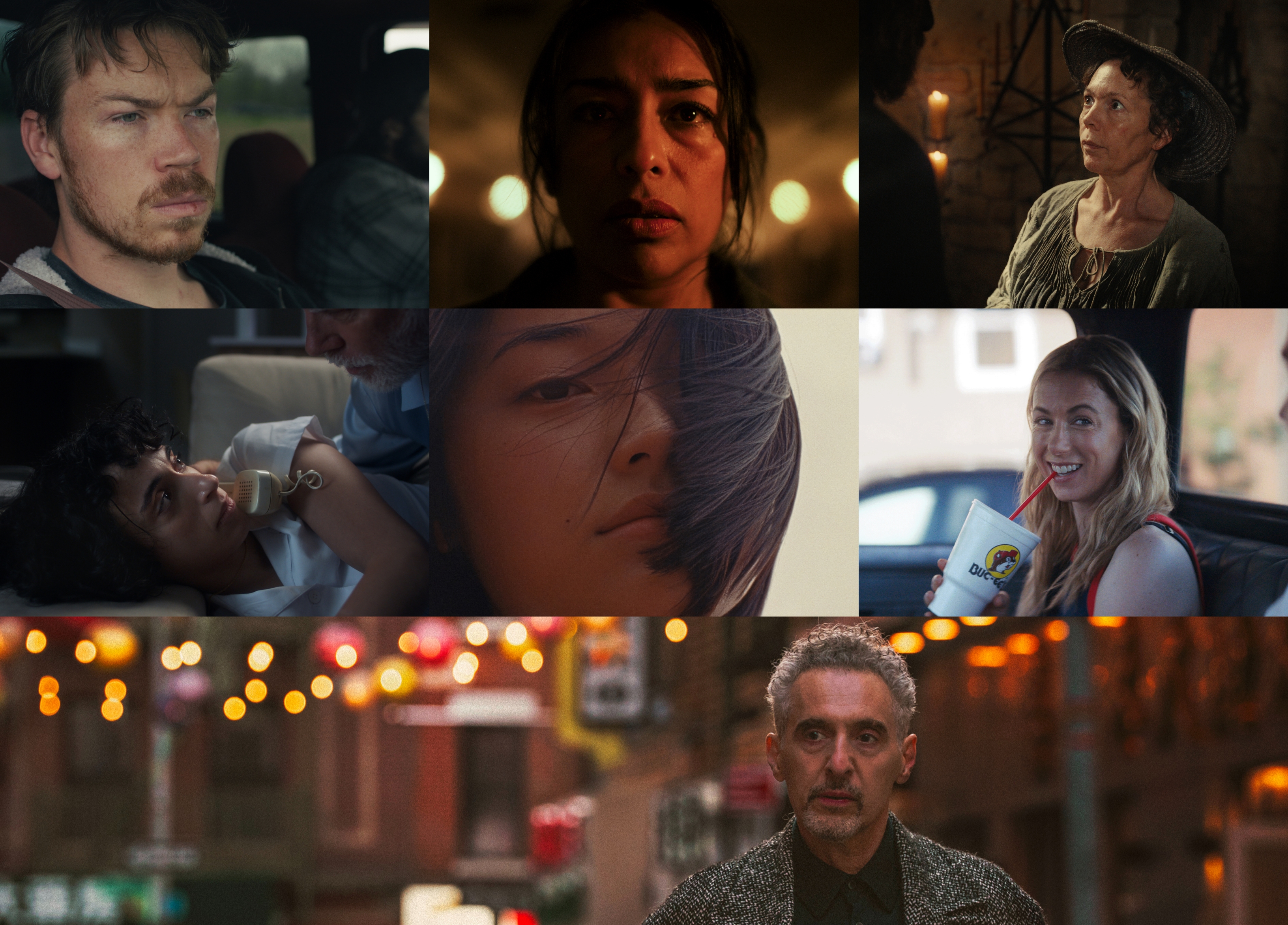
The filmmakers behind the seven narrative features highlighted here also shared at least one artistic aim: to approach their films' visual language as a means of transporting the viewer inside their lead character's head. Chasing Summer — shot by Eric Branco, ASC — moved between sticks and handheld moves, depending on its protagonist's internal state, while The Huntress — shot by Maria Sarasvati Herrera — sought to keep the viewer immersed in its main character's mental deterioration, even during a complex sequence that unfolded on an active bus that moved throughout Ciudad Juárez, Mexico.
Read on to discover the inspiration, experiences and equipment that fueled eight cinematographers with films at Sundance 2026.
Eric Branco, ASC — Chasing Summer
The Approach
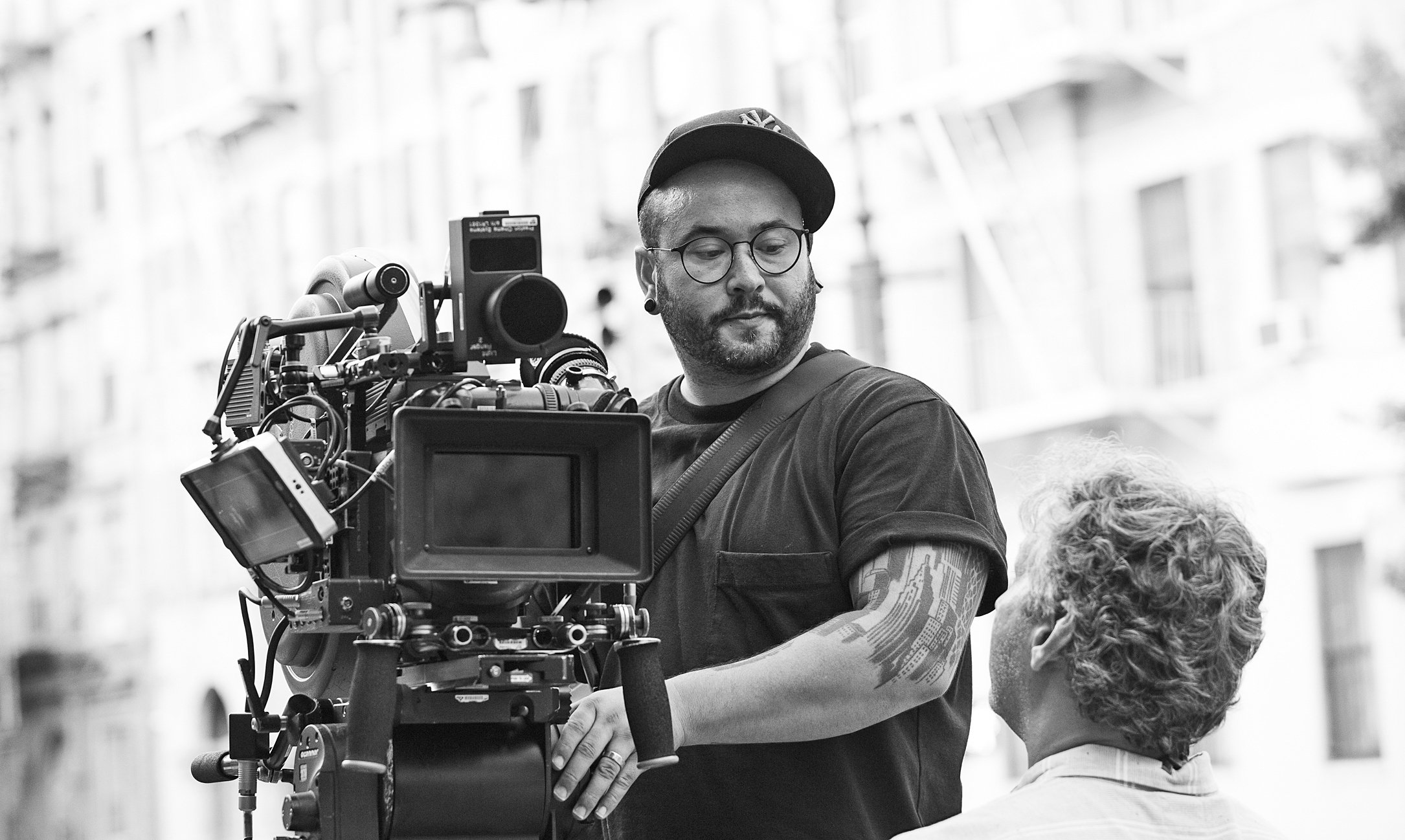
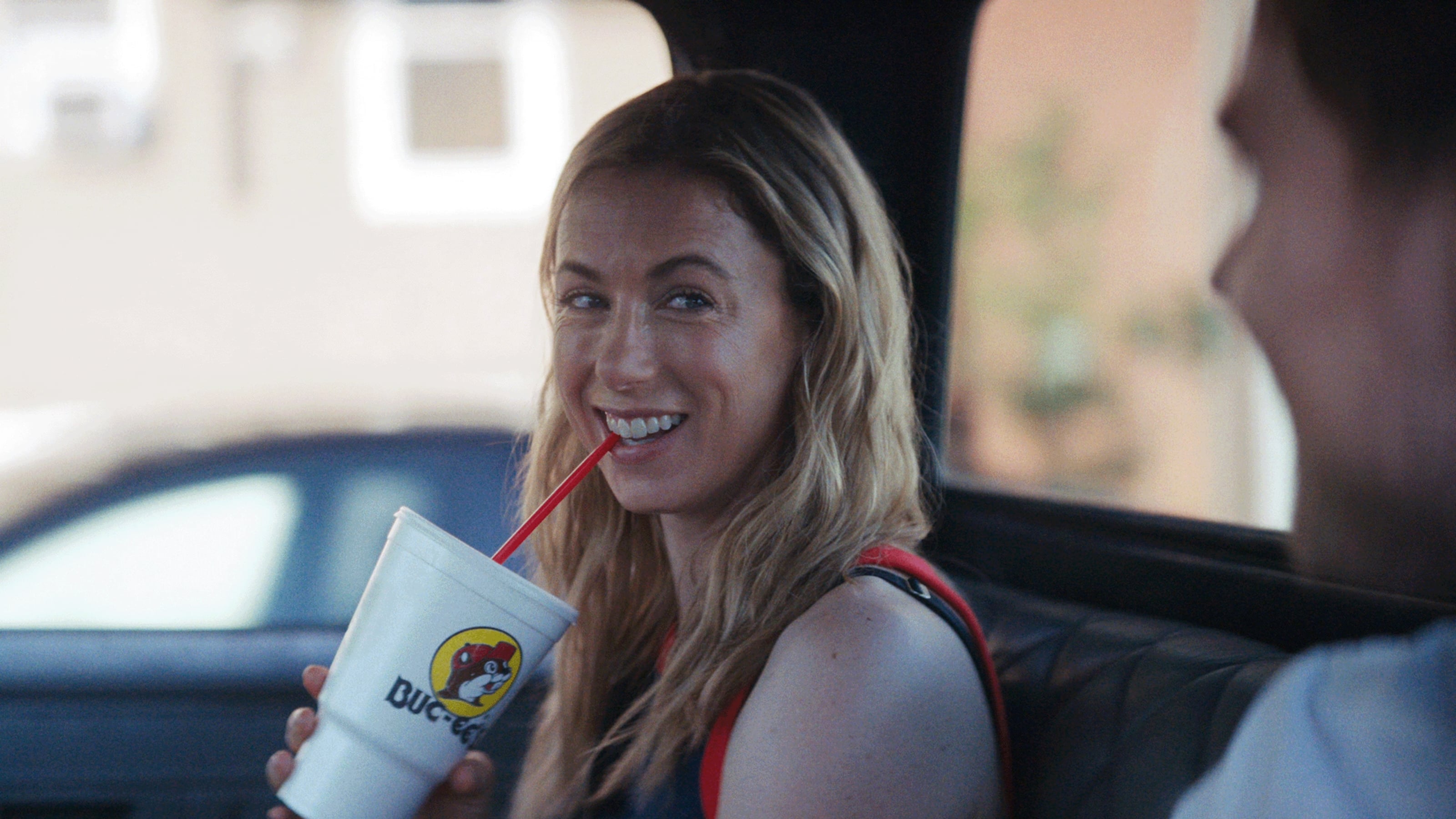
"In prep, director Josephine Decker told me, 'I really want to try something different. I want to be less handheld. I want to be more controlled.' The movie is about a woman named Jamie (played by Iliza Shlesinger) returning home and not feeling comfortable in her own skin and in her place in the world, so we had to find a way to visually mirror that. The first half of the film is entirely studio mode: sticks, dolly, locked-off compositions. The film opens with a big Steadicam oner, and then in the next scene, Jamie's partner breaks up with her and things are thrown off balance; we turn into a more stilted world. So, the film starts with a kind of fluidity, and eventually becomes more locked off, with more 'awkward' framing — either center or very off-center, to depict Jamie as smaller within a larger world, or to emphasize moments marked by her character's indecision or discomfort. Later, there's a moment in which she meets a new love interest, and from that scene on, the movie becomes entirely handheld right up until the end, when we shift to a combination of handheld and studio mode."
My Biggest Challenge
"Until Chasing Summer, I had certainly never tried to get this level of studio camera movement on a budget of this size. Our most challenging shots were our long-take oners. We did 15 takes of the Steadicam oner that opens the film in 110-degree summer heat in St. Louis. That part of the shoot was all about making sure we were hydrated and level-headed enough to make clear decisions in the heat."
Tech Specs
Camera: Arri Alexa Mini LF
Lenses: Cooke Anamorphic/i FF
Lol Crawley, ASC, BSC — Wicker
The Approach
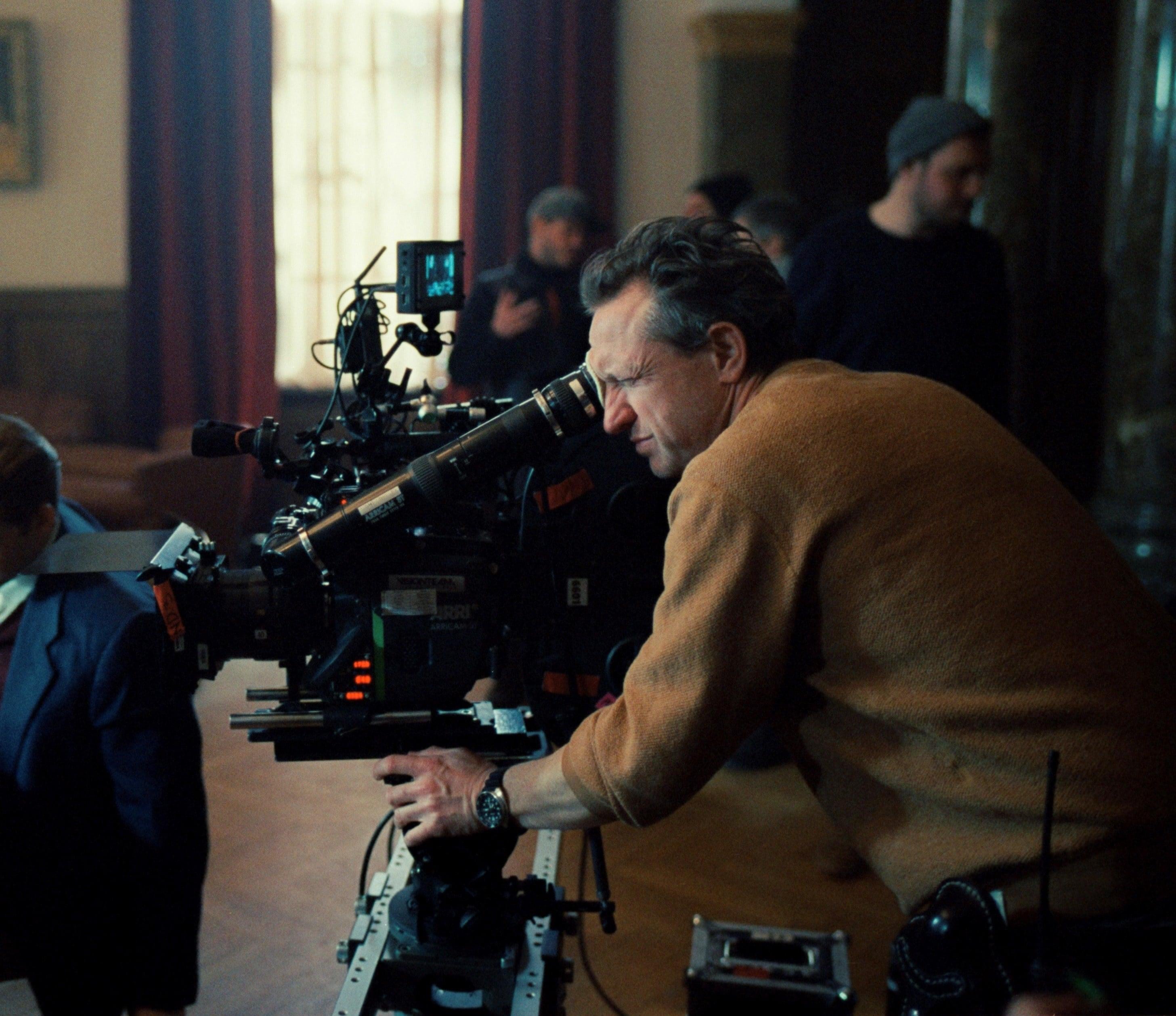
"We were world-building and we wanted as wide of a field of view as possible. Clip-on impression filters, which fit on the back of the lens, created a swirling-bokeh quality that was quite magical, and out of time, for this film. Working with Máté Ternyik, our colorist on The Brutalist, we did quite a lot of film-emulation work, adding grain and other elements to take the modernity out of the digital aspect of the image. For intimate scenes set in the fisherwoman's (Olivia Colman) hut, we used a Canon K35mm lens, which has this interesting fall-off in focus, so it feels like the world of the film just falls away."
My Favorite Scene
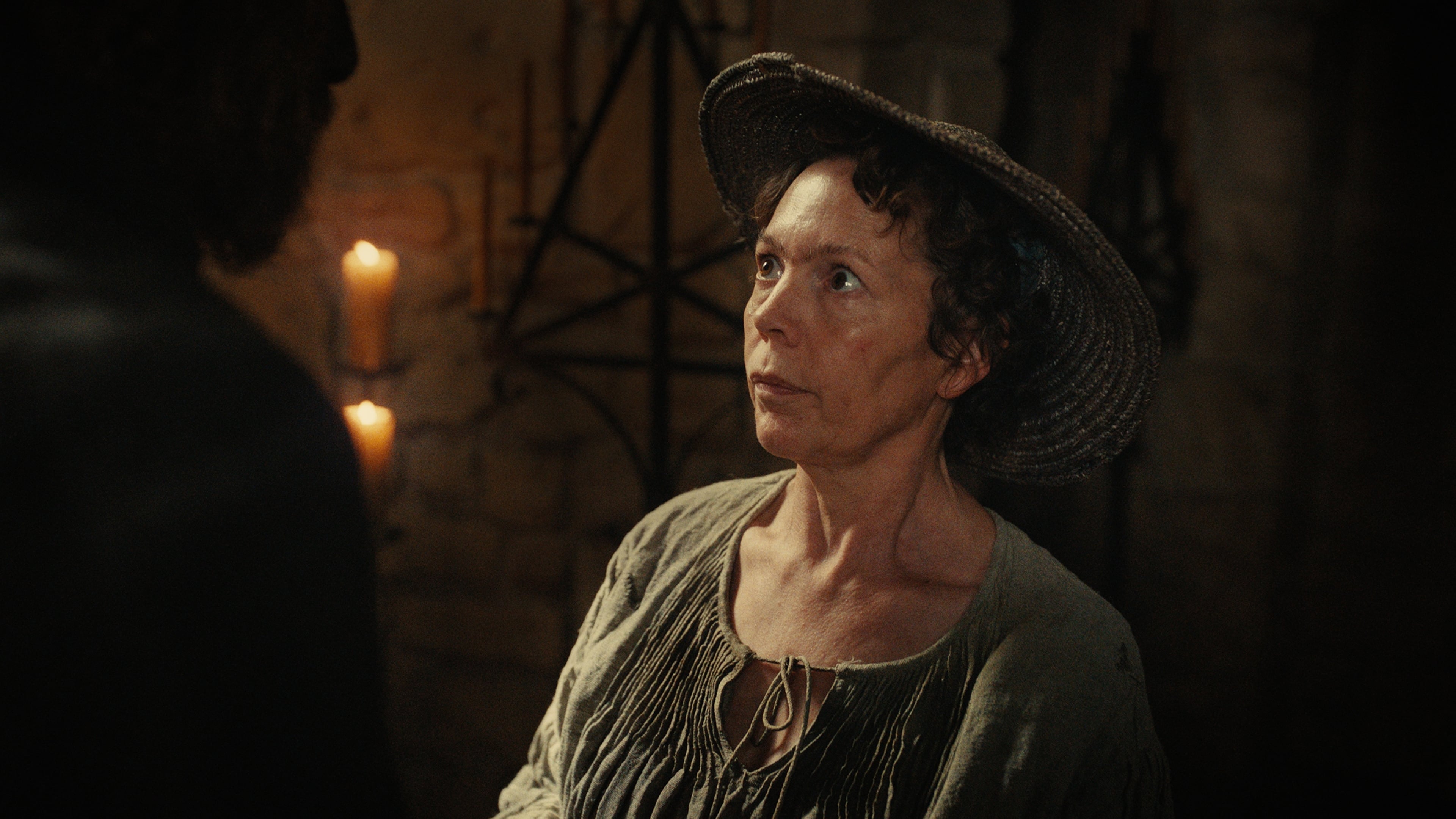
"One of my favorite scenes is one in which the fisherwoman confronts the wicker husband (Alexander Skarsgård) because she suspects that he's been unfaithful. It's when their relationship starts to unravel — the rot starts to set in. It's a simple scene, but I like the way that we covered it, in terms of our use of the volume, pushing in and wrapping around Olivia. They’re both terrific in that scene; Olivia is heartbreaking, and it gets me every time I see it. Again, it's simple, but we realized it delicately."
Tech Specs
Camera: Arri Alexa Mini LF
Lenses: Arri Signature Primes; Canon K35
Maria Sarasvati Herrera — The Huntress (La Cazadora)
The Approach
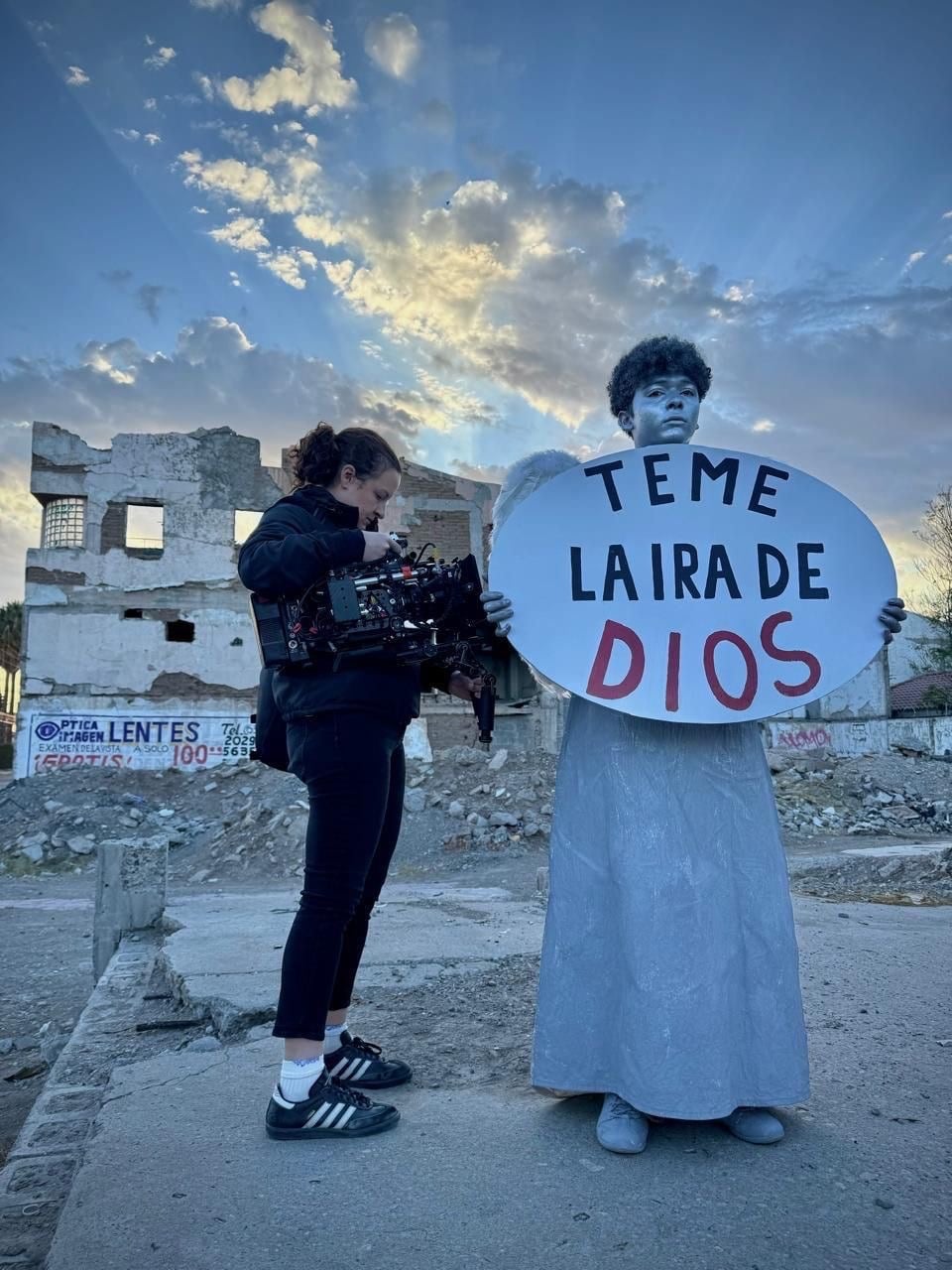
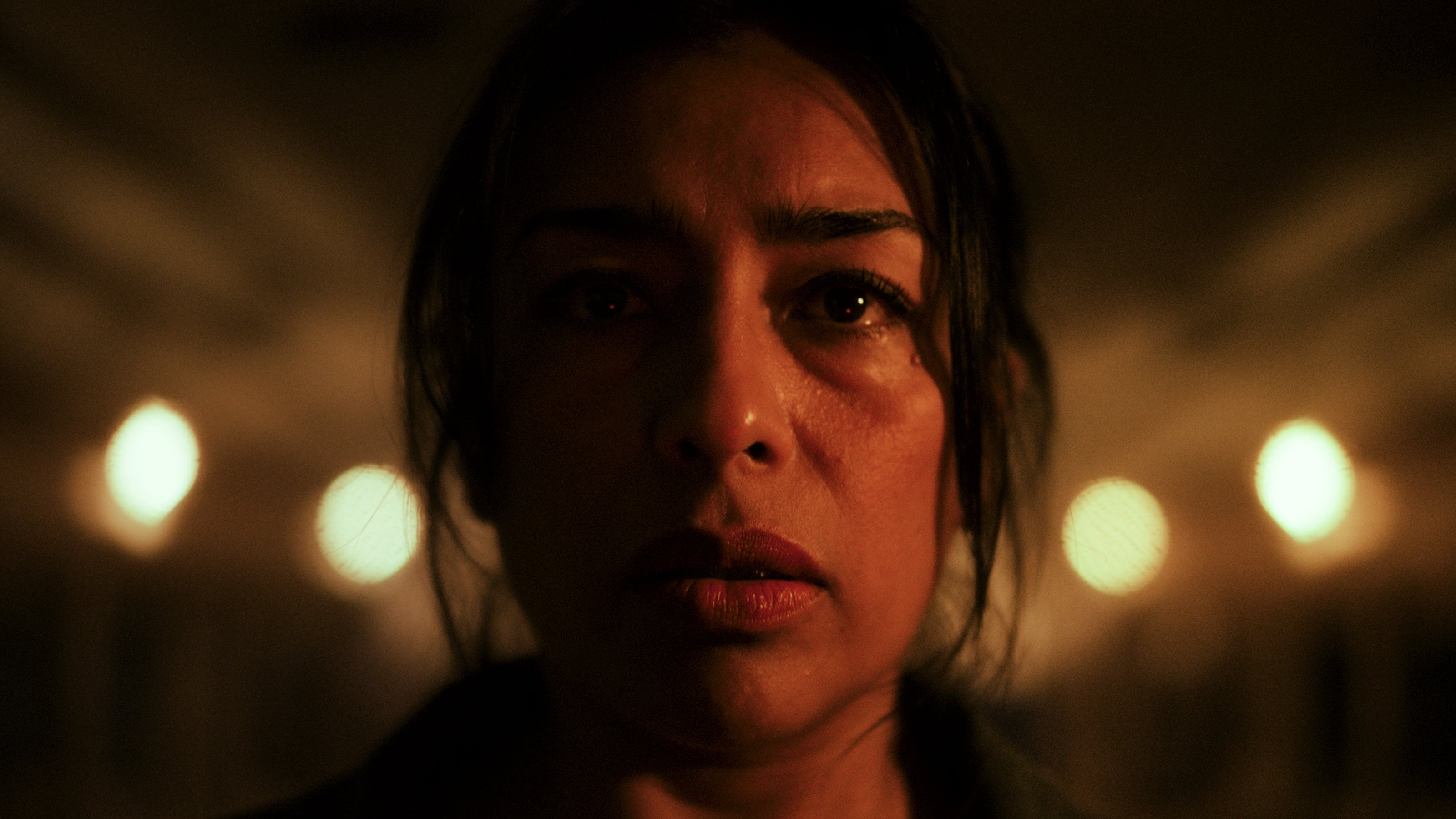
"The movie is about a woman, Luz (Adriana Paz), who is passing through a trauma, so we wanted to be close to our main actor to translate what she is feeling to the viewer. We wanted lenses that would open up as much as possible, in terms of iris. We found the Lomo Illumina Mark II, which have a look that’s sharp, but also rounded in the background, with some aberrations. We were working with communities on location in Ciudad Juárez, Mexico — so, we couldn't light the whole street or change the color of our street lighting. We had to light with what was there. I was also operating, so I was connected with Adriana and the rest of our cast, reacting to what they were feeling and portraying."
My Biggest Challenge
"Everything shot on the bus was challenging. As the bus was in motion, we were just trying to hold onto one another so we didn't fall, and we also had to stay connected to Adriana during these intense, emotional moments. While on the bus, her character starts seeing ghosts, and in order to build this in VFX, we needed flares and real sunlight. We had to chase the sun so that it was always on the same side, as the bus pushed through the streets of Juárez — and we only had one afternoon to make it work."
Tech Specs
Camera: Arri Alexa Mini LF
Lenses: Lomo Illumina Mark II
Sam Levy — The Only Living Pickpocket in New York
The Approach
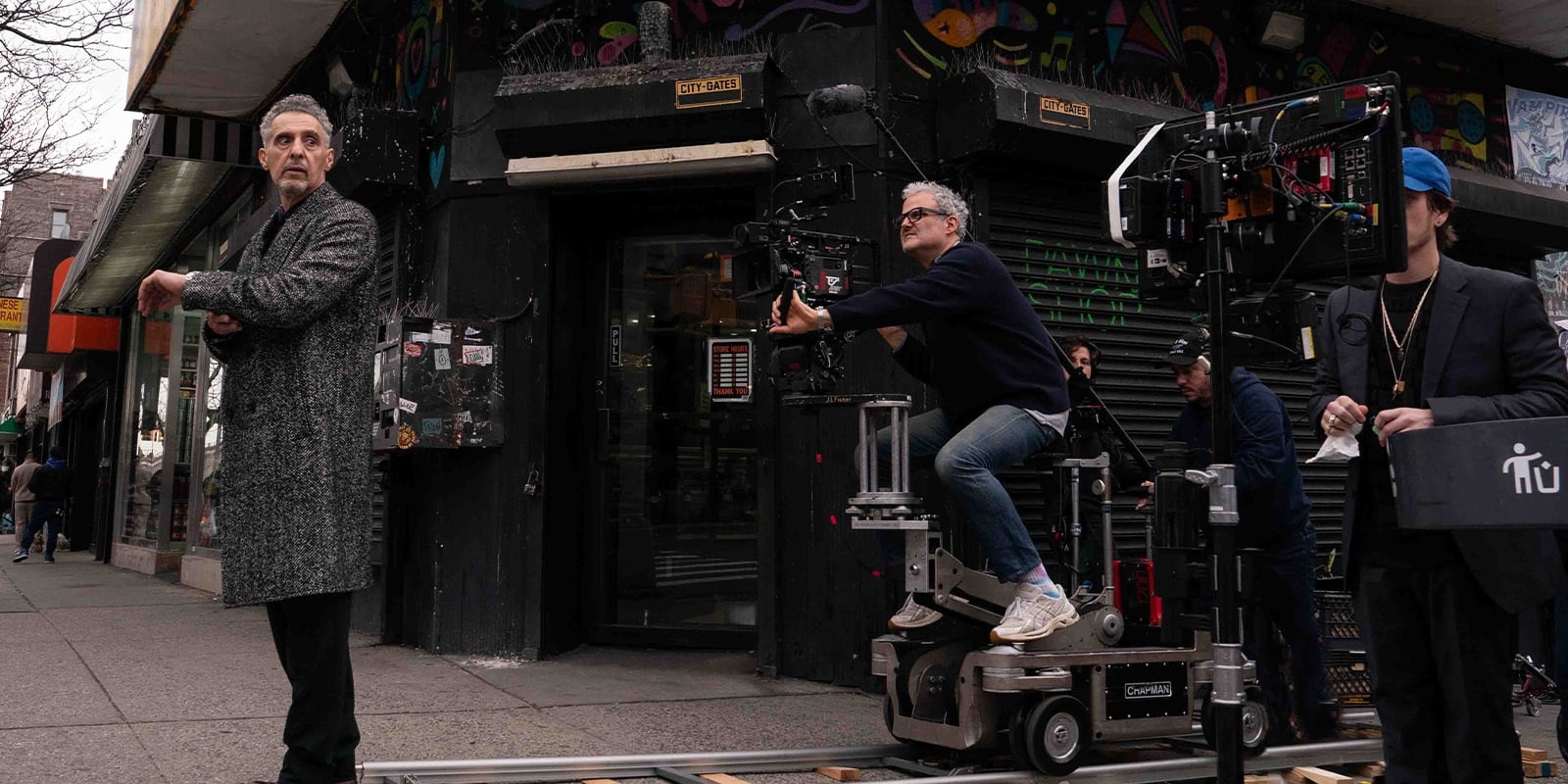
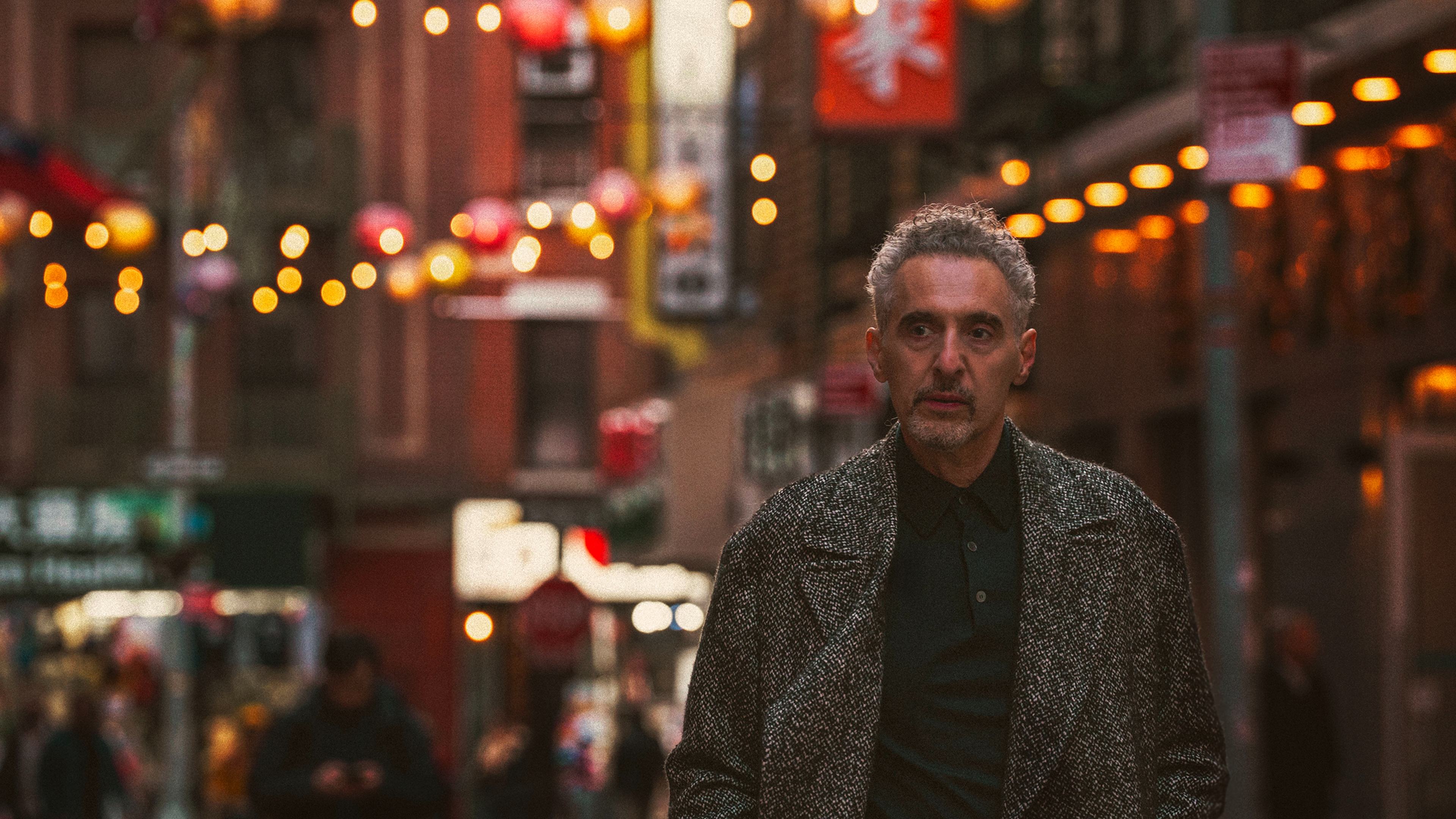
"I was inspired by Robert Bresson’s final film, L'Argent. I’ve tested these Super Baltar prime lenses from the 1960s — which are what Gordon Willis, ASC shot The Godfather with — many times. They have a big, distinctive look, and I never liked them before... but they were perfect for this noir crime thriller."
My Favorite Scene
"A lot takes place in a pawn shop in which Steve Buscemi's character works. In one scene there, John Turturro's character discovers — I’ll just say — that something's gone wrong, and there’s this long, designed shot, where we used a lot of silhouettes. That shot is my favorite."
Tech Specs
Camera: Arri Alexa 35
Lenses: Bausch & Lomb Super Baltar primes
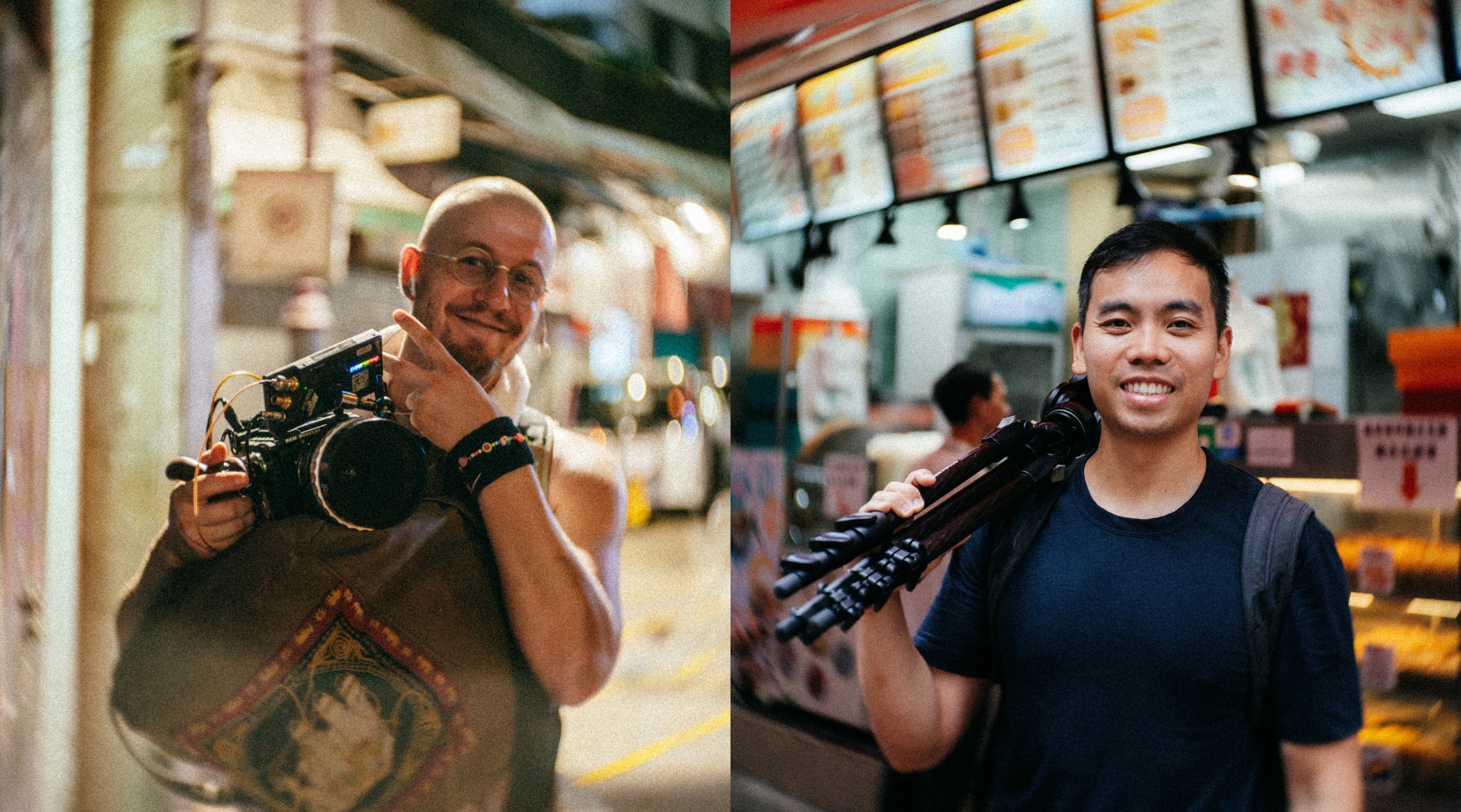
Benjamin Loeb, FNF (Cinematographer) and Sheldon Chau (Additional Cinematography) — zi
The Approach
Loeb: "Shooting on the streets in Hong Kong, we were going into a territory without control over any situation or location, so we wanted the smallest, most nimble camera package, with one single lens that could let us just document and be present in the moment. We created this vérité language, photographing long moments of the film in single takes, and letting coverage exist within that. That became the ethos."
Chau: "On the morning of day one, [director] Kogonada asked me, “Can you get a sense of Asian melancholy?” Right away, I knew what that meant. He pushed me to dig deep and channel that, because zi is about longing and loss, and about not knowing where home is. Ben doesn't like B-roll, so he encouraged me to find images, or even a succession of images, that tell a story: 'If I'm capturing a guy pushing a cart, is there a way I can find several images that stitch together to convey a sense of feeling, instead of just a random shot of a guy?'"
My Favorite Scene
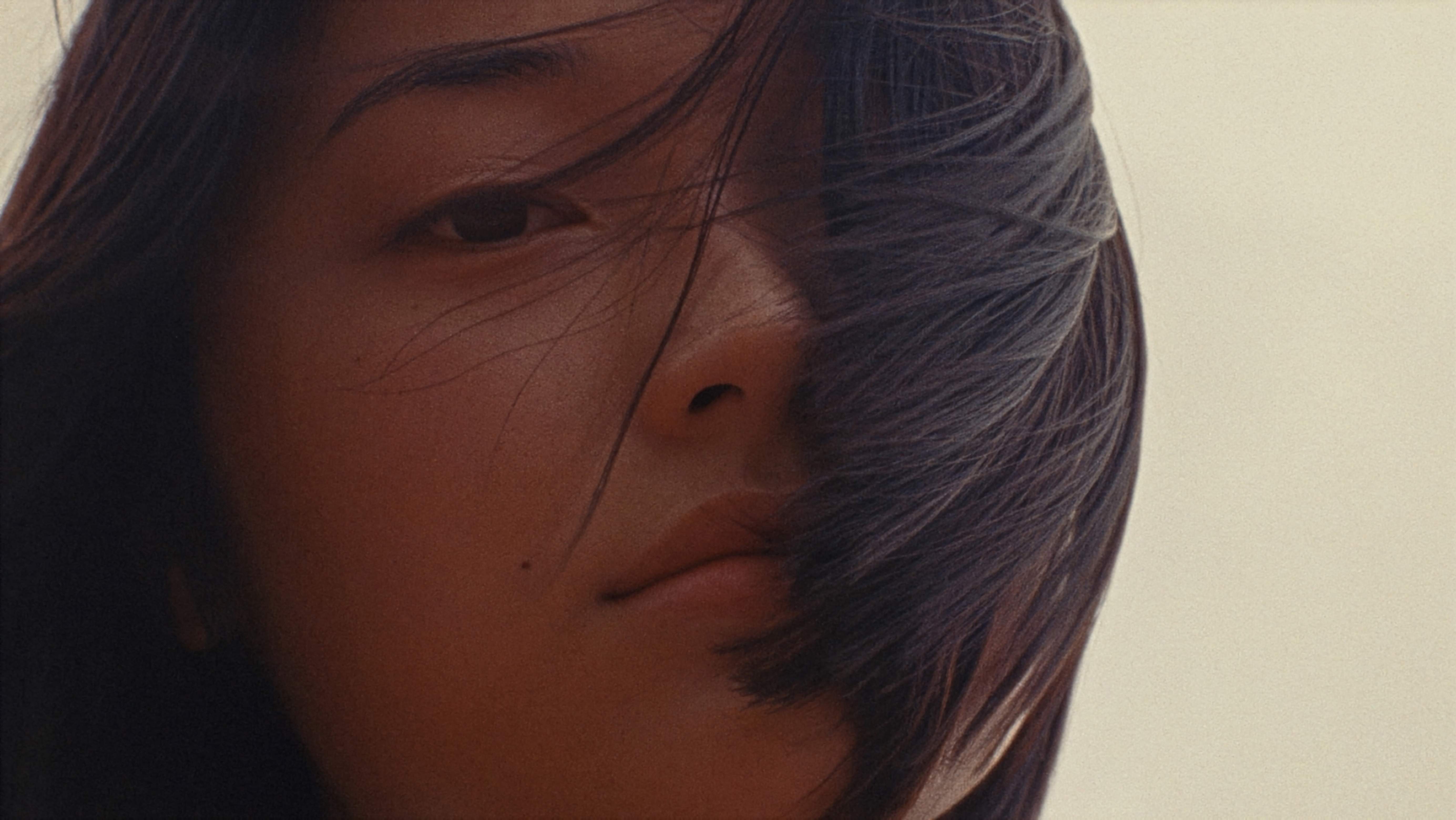
Loeb: "There's a fireworks sequence that's the crescendo of the film, and it wakes up the audience. It wakes me up when I watch the film. It was shot on the first day of production, and we were getting to know each other and learning to navigate Hong Kong and the people of the city. It was National Day, and we were all eyeing what the cops would do: 'How much can we get away with when filming this way?' We realized immediately: Nobody cared! Nobody looked at us, nobody looked into the camera."
Tech Specs
Camera: Red Komodo; 16mm Bolex; Sony FX3 (additional cinematography)
Lenses: Super Takumar 35mm; Zeiss Super Speeds (additional cinematography)
Lidia Nikonova — Night Nurse
The Approach
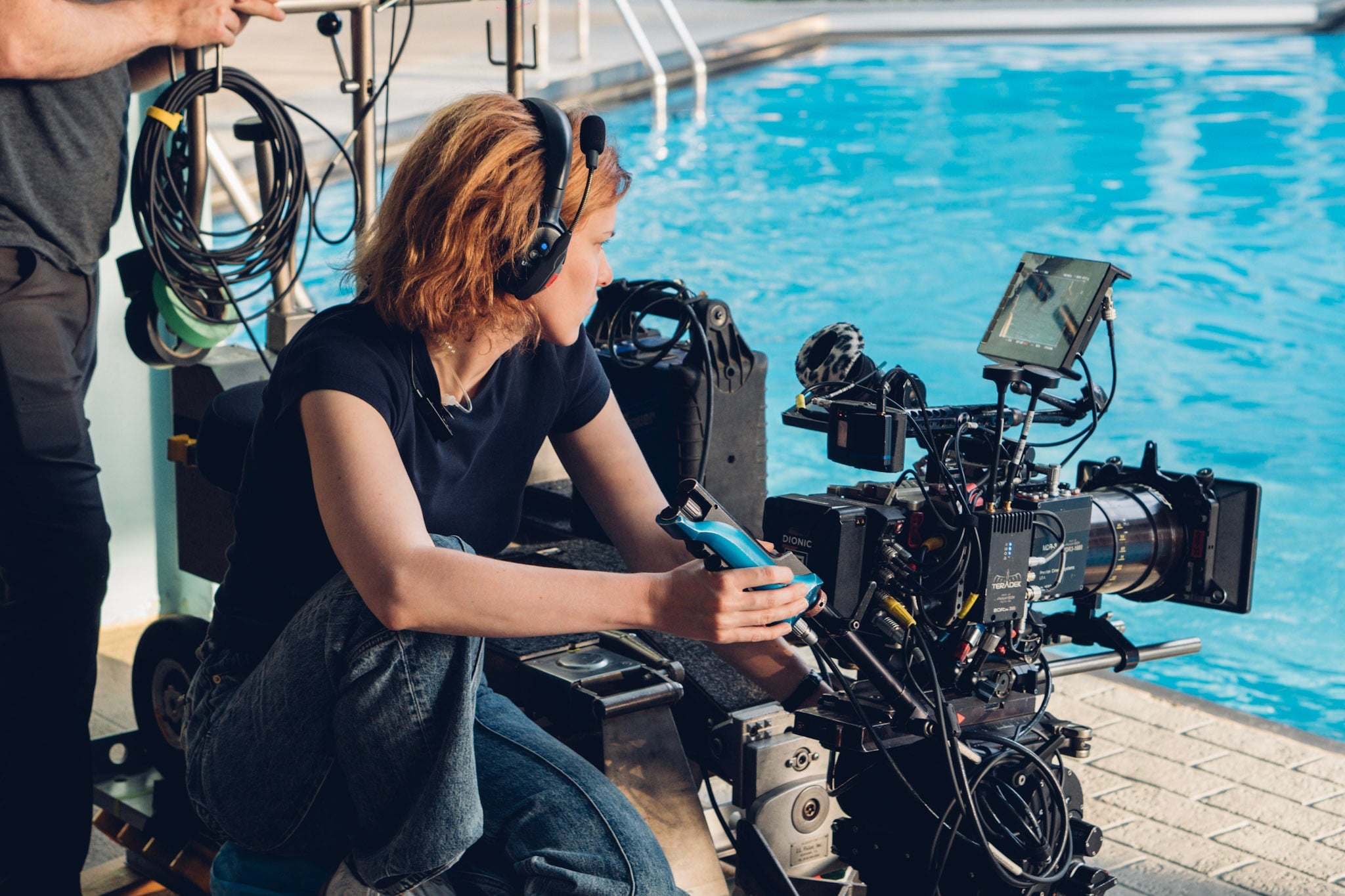
"We wanted to lean into the genre tropes that erotic thrillers afford, to create an underlying sense of sexual tension and suspense that hovers in every scene, but is not fully perceived, and works on a more subconscious level. In the film, there is an unusual relationship between the night nurse, Eleni (Cemre Paksoy), and her patient, Douglas (Bruce McKenzie), that evolves into a romantic relationship, and it was important for that relationship to feel authentic and believable. Longer lenses helped create more intimacy between the two characters, and we aimed for camera placement that would offer the viewer greater access to our characters, rather than obscure them. The film has such an unusual premise — an erotic thriller set in a retirement community — so we treated the cinematography as a world-building device. We needed the world of the film to feel both alluring and hypnotic, as well as eerie and dangerous."
My Biggest Challenge
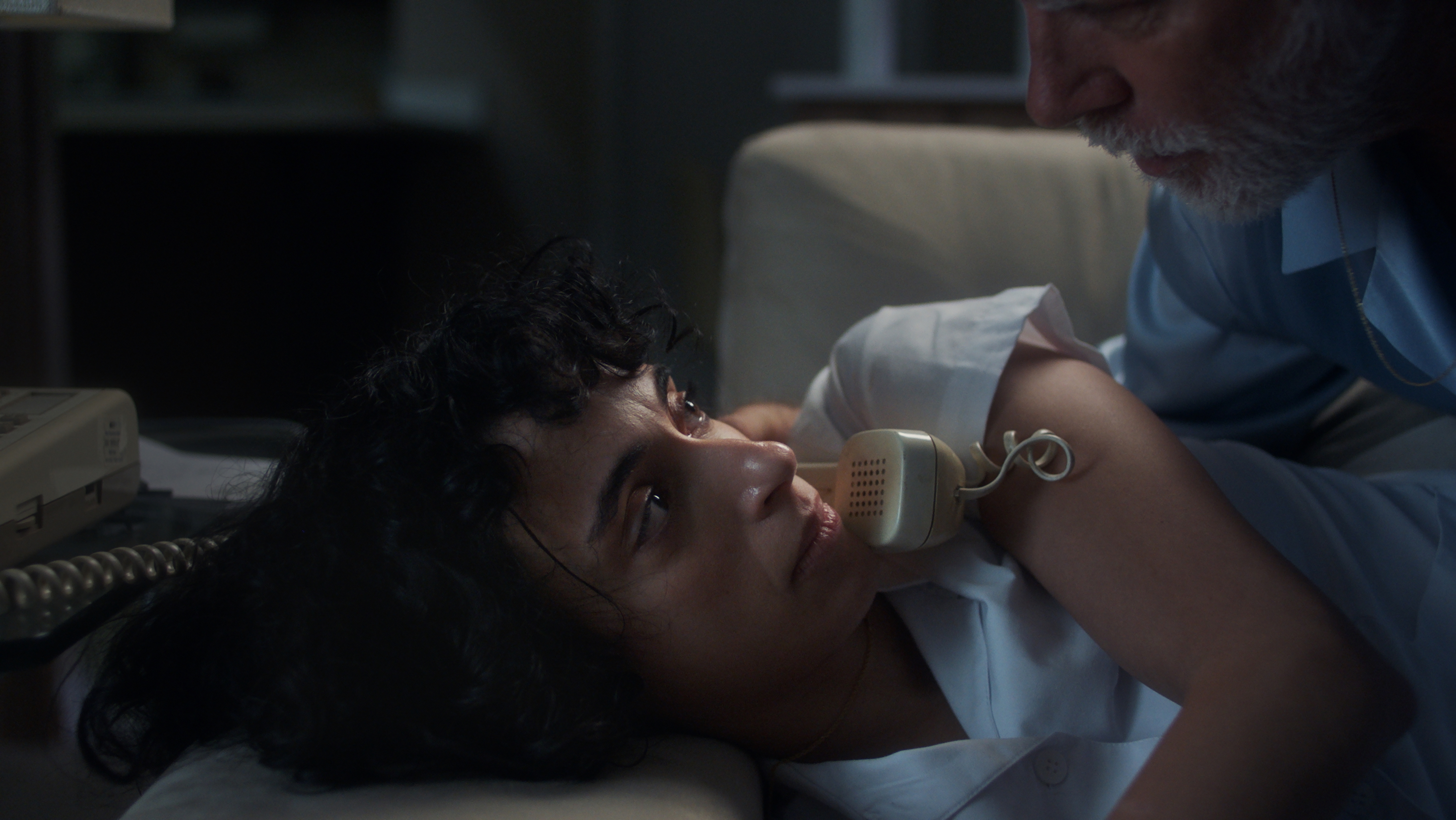
"The opening sequence is a four-minute oner that we shot on a robotic arm with a 24mm probe lens. It was shot during pickups, and by this point, we already had most of the film, but we wanted to create a tableau that contains the themes of the film without revealing what the film is. So, we designed this intricate shot for which the camera, paired with our probe lens, travels with the cord of a phone as it's wrapped around Cemre's body. My previous work experience with robo arms was only in shooting inanimate objects — but for this scene, Cemre had to lie down in one pose, practically motionless, as we programmed the cues and key frames for the robo arm. It took about six hours to program this move."
Tech Specs
Camera: Arri Alexa Mini
Lenses: Panavision Ultra Speed primes; Cooke Varotal 25-250mm, 20-100mm zooms (rehoused by Panavision)
Stefan Weinberger — Union County
The Approach
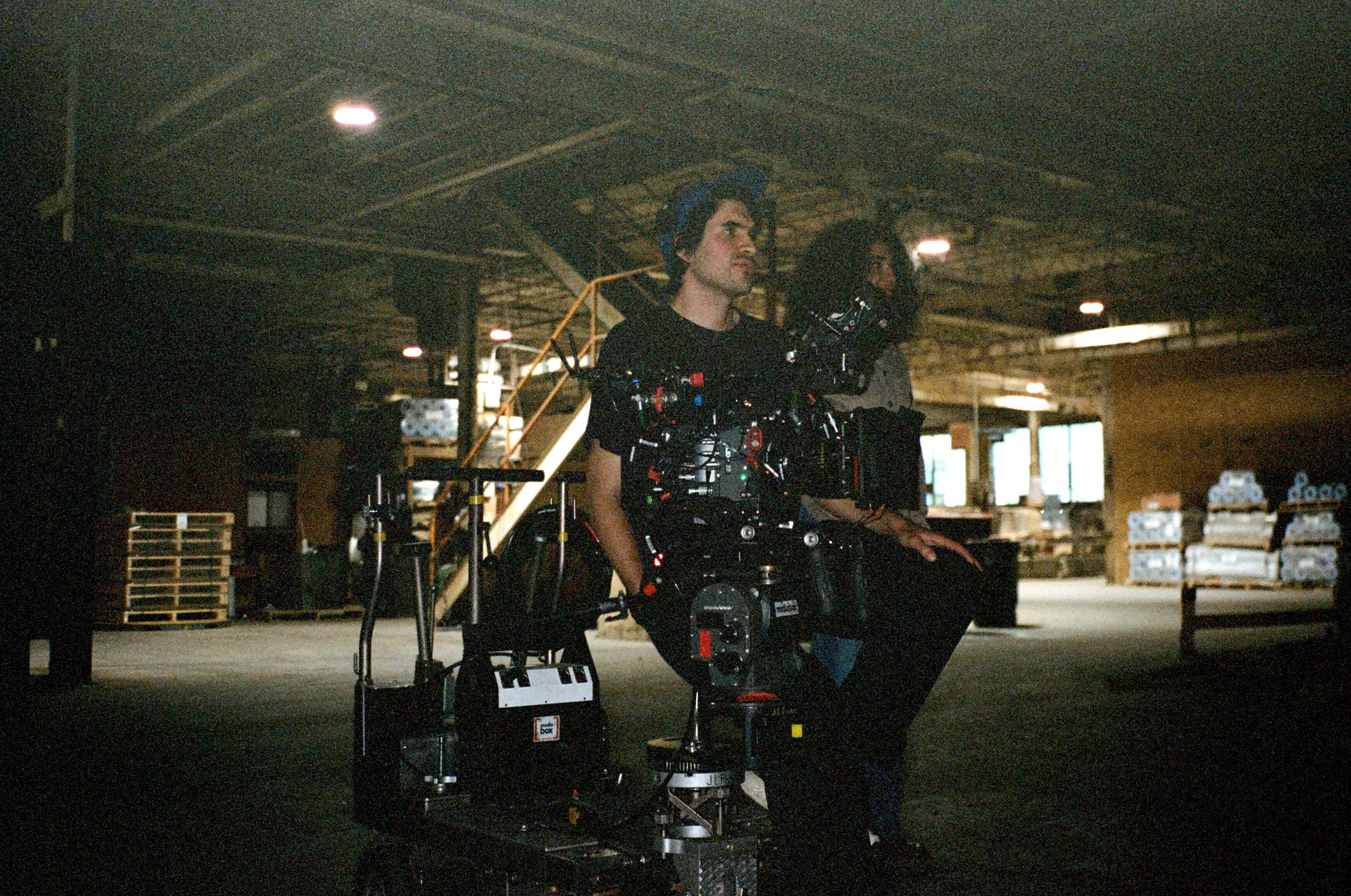
"Having worked together for more than a decade, director Adam Meeks and I were extremely aligned on what we called the 'simple language of our movie.' We wanted to imbue the camerawork with honesty and empathy, and avoid sensationalizing the material or passing judgement on our characters, many of whom were real members of the recovery community who played themselves in the film. We opted for a hybrid documentary-narrative approach; those two elements needed to blend seamlessly for the film to feel cohesive. This meant we needed a lot of flexibility in our camerawork. Sometimes we didn't have a lot of control over lighting, so the latitude afforded by the Alexa 35 was helpful."
My Biggest Challenge
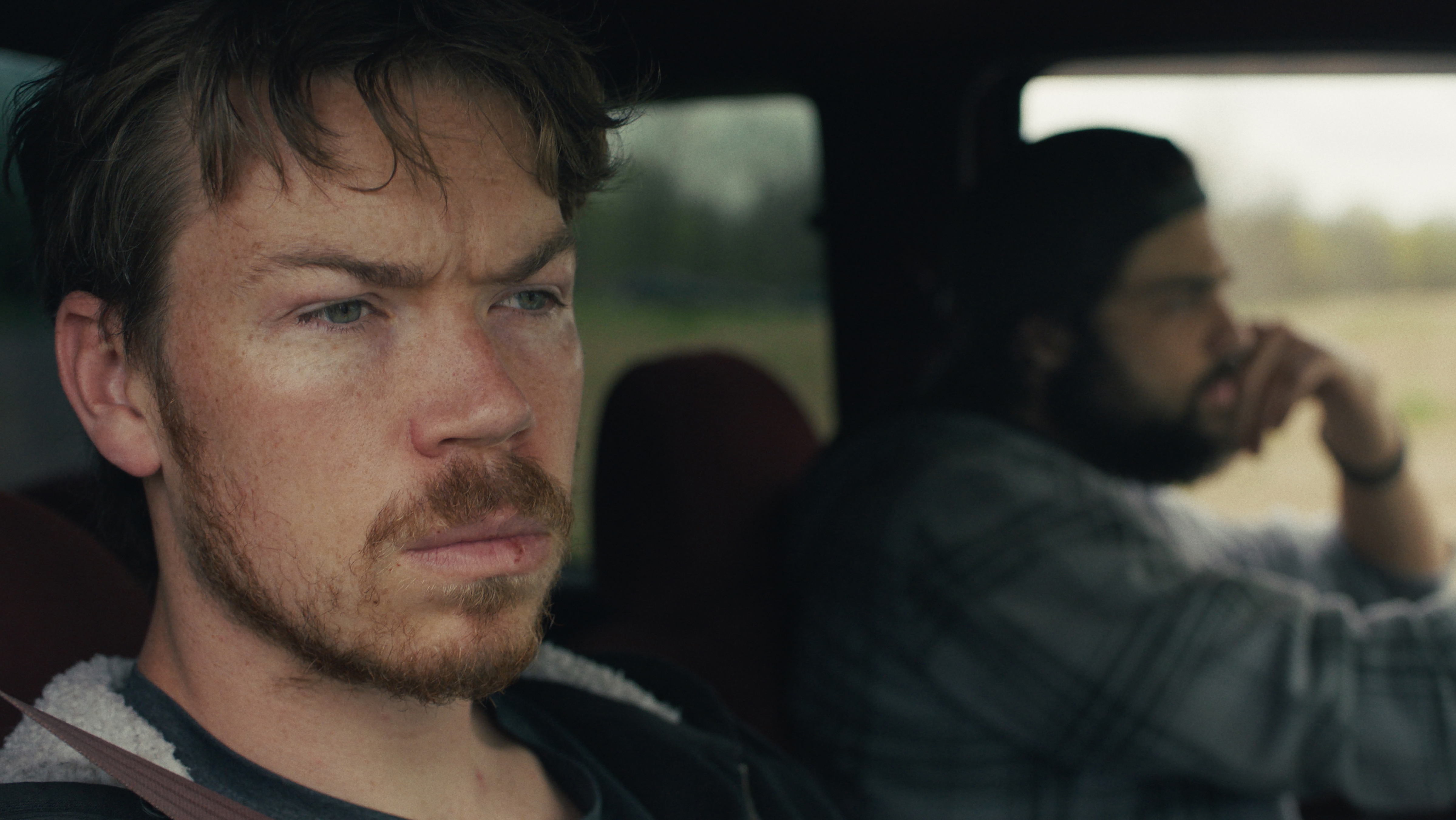
"One challenge was in shooting a narrative film in a documentary setting in a seamless way. We shot Will Poulter’s character’s monologue during a real Narcotics Anonymous meeting, with the real members of that community who are there every week, doing what they always do: coming in, telling their stories and sharing their struggles and ups and downs. We planted Poulter in that situation, and he delivered this incredible, scripted monologue about an hour-and-a-half into the meeting. We had to be ready for that, because after he finished, the meeting kept going — it passed to the next person. So, we were shooting a documentary and a narrative film — not only in the same film, but in the same scene, as well.
Tech Specs
Camera: Arri Alexa 35
Lenses: Cooke S4 primes; Angénieux Optimo 24-290mm, 28-76mm; Canon 17-120mm
Unit stills courtesy of Sundance Film Festival and the filmmakers, unless otherwise noted.